Toddler Throws Food for Attention? 7 Gentle Ways to Cope
Is your toddler throwing food on the floor for attention? Discover gentle tactics and proactive strategies to address this common behavior and make mealtimes smoother.
The Great Food Fling: What to Do When Your Toddler Throws Food for Attention
With my first child, a single dropped pea sent me into a frantic clean-up mode, convinced it was a sign of disrespect. By my fourth, when a rogue carrot stick sailed across the kitchen, my primary thought was simply, "Okay, where's the mop?" Looking back, I can see how much energy I wasted on trying to "correct" behavior that was just… toddlerhood. If I could tell my younger self one thing about those flying bits of broccoli, it would be this: stop overthinking the immediate mess and start understanding the why.
Most parents worry their toddler throws food on the floor for attention. And sometimes, yes, a reaction is exactly what they're fishing for. But the truth is that a toddler flinging food is often far more complex than just a bid for focus. It’s a developmental milestone, a sensory experiment, or a communication attempt.
Why the Food Flight? It’s Usually More Than Just Attention
When your 2-year-old is throwing food, it's easy to conclude they're just being naughty. While testing boundaries is part of it, other, often more innocent, reasons are at play.
Not Just Seeking Attention, But Exploring Their World
That little hand that just tossed a handful of Cheerios might be driven by curiosity more than malice. Toddlers are scientists in tiny bodies, and mealtime is a prime laboratory. They're learning about gravity, cause and effect, different textures, and how far things can travel. A 1-year-old throwing food is often pure exploration, a way of interacting with their environment when verbal skills are still limited. For instance, if your toddler expresses interest in eating non-food items, it might signal a developmental concern such as pica.
The Boundary Push, Toddler Style
As they grow, toddlers naturally begin to push the edges of their newfound independence. This can manifest as a 2-year-old throwing food on the floor to see what happens next. What’s your reaction? Do you sigh? Do you chase? Do you get stern? They’re learning how their actions influence the world around them, and your response is a crucial part of that experiment.
Gentle Tactics to Navigate the Food Flinging
Instead of getting caught in a cycle of frustration, there are ways to address the behavior without descending into a power struggle. The goal is to teach, not to punish.
The "Oops, That's a Mess" Clean-Up
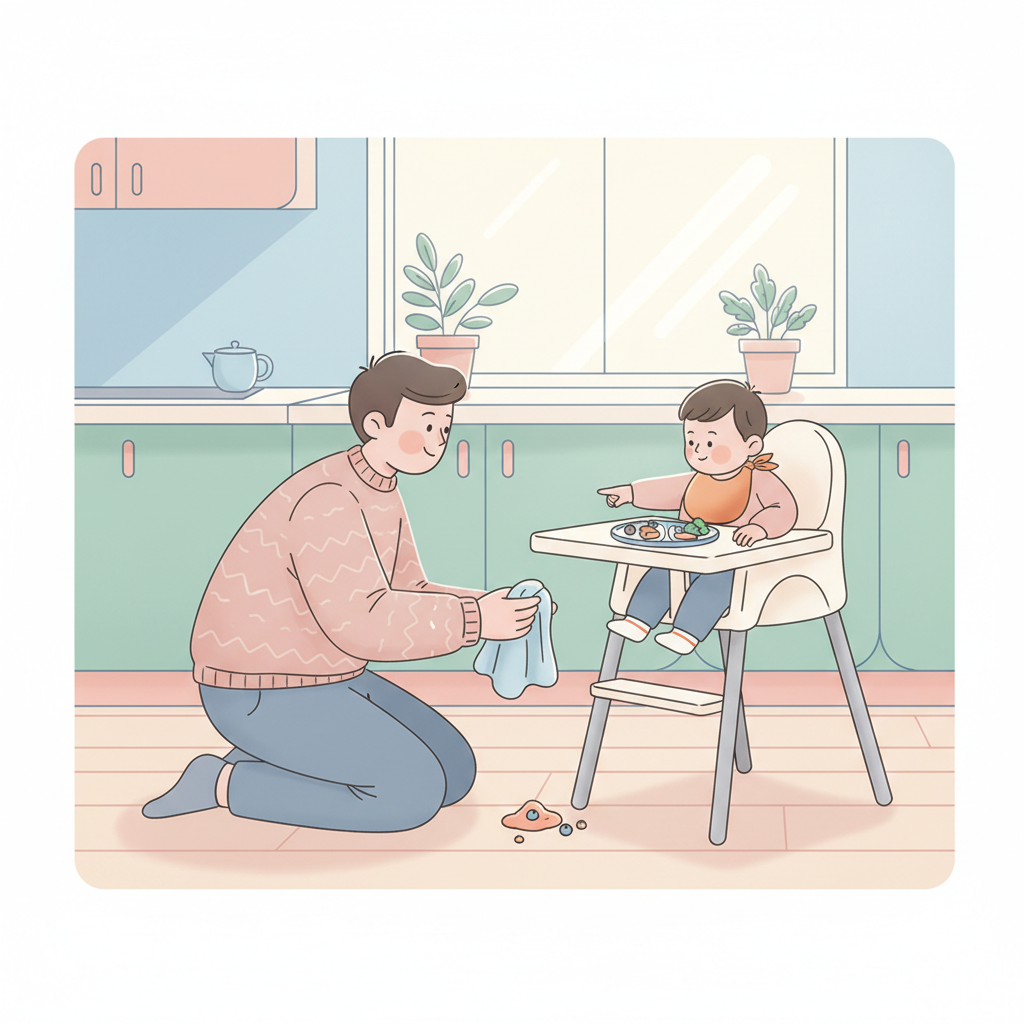
When food hits the floor, the most effective response, in my experience, is immediate and low-drama. Pick up the dropped food. Hand your toddler a cloth or sponge. Say calmly, "When food is on the floor, it’s time to clean it up." Make cleanup a natural consequence, not a punishment. If they refuse or are too upset, you can take over, but ensure they understand that dropped food means a change in the meal's trajectory.
Explaining Cause and Effect (Toddler Edition)
For older toddlers, you can start to connect their actions with outcomes. "When you throw food, it means mealtime is over because we don't play with food." This isn't about scolding; it's about clear, simple communication. Keep it brief and factual.
Instituting "Food Boundaries"
I’ve found a simple, repeatable phrase can be incredibly helpful. When food starts to fly, you can say gently, "Food stays on the table" or "We eat our food." If the throwing continues, then the meal ends. This teaches them the connection between their actions and the consequence: consistent boundaries.
Setting the Stage for Smoother Suppers
Sometimes, the best way to stop food throwing is to prevent it before it starts. Proactive strategies can make a world of difference.
The Comfort of Routine
Toddlers thrive on predictability. Knowing that dinner happens at the same time, in the same place, can reduce anxiety and the likelihood of acting out. Keep mealtimes calm, free from screens or overwhelming distractions.
Portion Control and Smart Choices
Overwhelming a toddler with too much food on their plate can be counterproductive. Start with small portions, and allow them to ask for more. Also, consider the texture and size of foods. Small, slippery items might be more tempting to fling than larger, more manageable pieces. Offering a variety of safe, appealing options is also key, especially if your toddler is a picky eater. For ideas, check out dairy & egg free toddler snacks.
Discover your baby's phase
Pre-Meal Engagement
Ensure your little one isn't already ravenous and overtired when they sit down. A short, engaging activity before the meal can help them settle and be more receptive to eating.
Knowing When to Call It Quits (Without the Meltdown)
There’s a fine line between a child who is actively misbehaving and one who is simply done. Recognizing the signs is crucial.
Hunger Vs. Playtime
Observe carefully. Is your toddler still trying to eat despite the throwing? Or have they lost interest and are now using the food as a toy? If they’re reaching for food, redirect. If they're clearly not eating and just experimenting, it’s time to signal that the meal is concluding.
The Art of a Calm Exit
When it’s time to end the meal, do so calmly and decisively. "It looks like you're all done eating. Mealtime is over now." Don't negotiate or cajole. Simply remove the plate. This is where the powerlessness of the situation can be overcome by your calm resolve.
Handling the Fallout
Expect that ending the meal cleanly might sometimes result in tears or frustration. This is normal. Acknowledge their feelings: "I know you're frustrated that dinner is over." Offer a distraction or a transition to a calm activity. But don't re-enter the food battle.
Beyond the Fling: Understanding the Nerves About New Foods
Sometimes, food throwing isn't about getting attention or exploring physics. It can be a signal that your toddler is developing food neophobia – a natural wariness of new things, including new foods.
What is Neophobia and Why Does It Matter?
This is a common developmental stage where children become more hesitant to try unfamiliar foods. It’s a survival instinct, but it can be a real challenge at the dinner table. It can lead to picky eating, and sometimes, a refusal of food that looks like throwing. If your toddler is refusing vegetables, consider baby-led weaning ideas to encourage exploration.
Introducing New Foods with a Gentle Touch
It's less about making them eat and more about exposing them positively. Offer new foods alongside familiar favorites. Let them touch, smell, and play with the food on their plate without pressure. Sometimes, it takes dozens of exposures before a child will even try a new food. Patience is the secret ingredient here.
The Long Game: Consistency and a Pinch of Perspective
This behavior, while maddening in the moment, is temporary. Building good habits now will pay off later.
Why Your Steady Hand Matters Most
Consistency is your superpower. If food throwing sometimes leads to a reaction and sometimes leads to a clean-up and meal ending, your toddler will keep trying to figure out what gets the best result. A consistent, calm response teaches them what to expect, which is incredibly reassuring for them.
Celebrating Small Wins
Did your toddler eat three bites of a new vegetable? Did they skip the throwing for one meal? Acknowledge and praise these small victories. It fosters a more positive association with mealtimes for everyone.