15+ Calming Transition Activities After Screen Time for Toddlers
Discover effective and calming transition activities after screen time for toddlers. Reduce meltdowns with tips, indoor & outdoor play ideas, and consistency.
---# Smooth Moves: Easing Little Ones Back to Reality After Screen Time
With my first child, I used to dread the moment the tablet went dark. The wails. The tears. The sheer, unadulterated tantrum that felt like a personal failure. By the time my fourth arrived, however, those meltdowns became far less frequent. Honestly, I learned to see them coming and adjusted. Looking back, the biggest difference wasn't in the apps we chose, but in how we handled the transition activities after screen time for toddlers. It’s a skill, really, and one that’s highly achievable for any parent.
If I could tell my younger self one thing, it would be to stop viewing screen time ending as a battle. Instead, it's an opportunity to reconnect and redirect their energy. This phase, where their brains are still buzzing with cartoon characters, is tough. It’s normal for toddlers to struggle to switch gears. Their developing brains are still learning self-regulation, and screens, with their rapid pacing and instant gratification, can be particularly engaging.
Why the Meltdown? Understanding the Toddler Shift
The truth nobody tells you is that a toddler's brain is like a finely tuned sports car that struggles to shift gears. When the "on" switch of a screen is suddenly "off," they can feel a jolt. They’re moving at lightning speed in their minds, and the real world can feel slow and less exciting by comparison.
This disconnect is often why you see those epic tantrums. It’s not defiance; it’s overwhelm. They genuinely don't know how to process the shift. In hindsight, so many of those meltdowns could have been softened with a little foresight and a planned activity. It’s a short window, but often, it’s the most challenging part of the screen time routine.
Setting the Stage for a Softer Landing
Preparation, as in so many areas of parenting, is key. The goal is to ease them out of the screen world and into a new focus, not to abruptly yank them out.
- Give Them a Heads-Up: This is golden. Use timers, verbal cues, and visual aids. Start with a five-minute warning: "In five minutes, the show will end, and then we'll [next activity]." Then, give a two-minute warning. By the time the screen goes off, they’re mentally prepared for what’s next.
- Offer Choices: Toddlers crave independence. Before the screen ends, offer a choice for what comes after. "When we're done, would you like to play with blocks or read a book?" Giving them a say, even a small one, can dramatically reduce resistance.
- Establish a Ritual: What happens immediately after screen time? This can be a simple, predictable sequence. Maybe it’s a quick hug, a visit to the potty, and then your chosen transition activity. Consistently following this ritual helps them know what to expect, which is incredibly reassuring for little ones.
Engaging Indoor Transition Activities for Toddlers
When screen time wraps up indoors, and you’re looking for transition activities after screen time for toddlers at home that don't require a lot of fuss or expense, these are my go-to’s. Many of these are free transition activities for toddlers that can fit into any day.
- Sensory Bin Adventures: Fill a bin with dried beans, rice, water beads (with supervision!), or even just water. Add scoops, cups, and small toys. The tactile experience is calming and engaging.
Discover your baby's phase
- Playdough or Cloud Dough: Simple to make and wonderfully messy. It’s perfect for squishing, rolling, and creating. By the time they’re done, their hands and minds are happily occupied.
- Simple Art Station: Stickers are magic. Let them go to town on a big sheet of paper. Crayons and paper are also fantastic. It’s low-pressure creativity that keeps little hands busy.
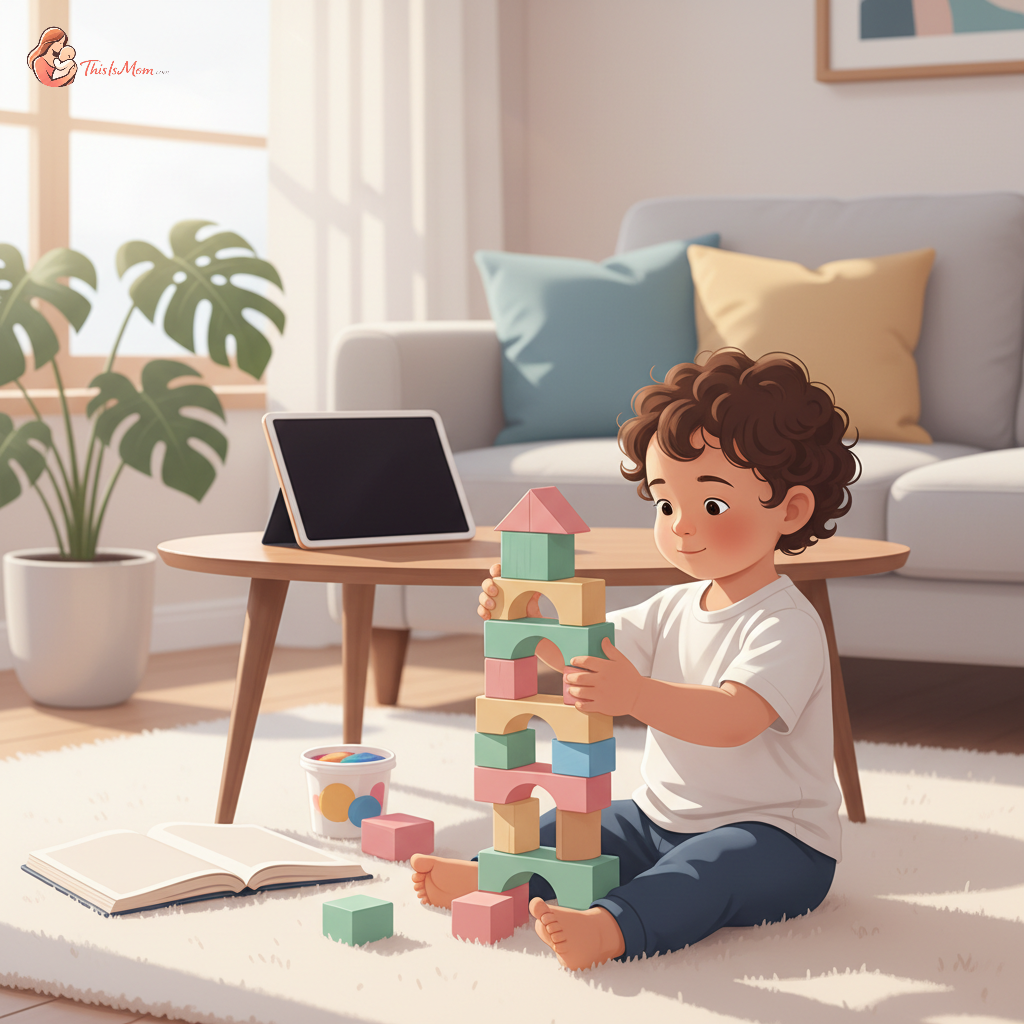
- Building Bonanza: Blocks, LEGO Duplo, or magnetic tiles. Building towers, houses, or anything they can imagine provides a focus that requires concentration and fine motor skills.
- Cozy Reading Time: Snuggle up with a favorite book. This is a wonderful way to reconnect and wind down. The predictability of a story is very soothing for a toddler brain shifting gears.
Outdoor Transition Activities for a Breath of Fresh Air
Sometimes, the best way to transition is to simply change the environment. If the weather permits, outdoor transition activities after screen time for toddlers can be a lifesaver.
- Backyard Discovery: A quick exploration of the yard can be surprisingly engaging. Look for interesting leaves, smooth rocks, or watch the ants. Even a few minutes of “bug hunting” can work wonders.
- Neighborhood Stroll: A short walk around the block can shift their perspective. Point out different colored cars, barking dogs, or the mail carrier. The novelty of the outside world is a great reset.
- Water Play Wonders: If you have a safe space, a tub of water and some cups can provide endless entertainment. Even splashing in a shallow kiddie pool or playing with a water table can be a fantastic way to expend pent-up energy.
Consistency is Your Secret Weapon
The most important thing to remember is that consistency is more valuable than perfection. You don't need a huge repertoire of elaborate activities.
- Keep it Simple: Choose a few go-to activities that work well for your child and your family. Don't feel pressured to have something new and groundbreaking every time.
- Observe Your Child: What genuinely captures their attention? What helps them calm down? Pay attention to their cues. Some kids thrive on active play, while others need quiet engagement.
- Handle Pushback with Grace: There will be days when, despite your best efforts, a meltdown happens. It's okay. Respond calmly. Reiterate your expectations gently. Sometimes, you just need to ride the wave and offer comfort until it passes. This too shall pass, truly.