Kids Off Screens: Transitioning After Grandparents' Visit
Learn how to smoothly transition kids off screens after visiting grandparents with practical tips, gentle redirection, and proactive communication. Reduce tantrums and re-establish home routines.
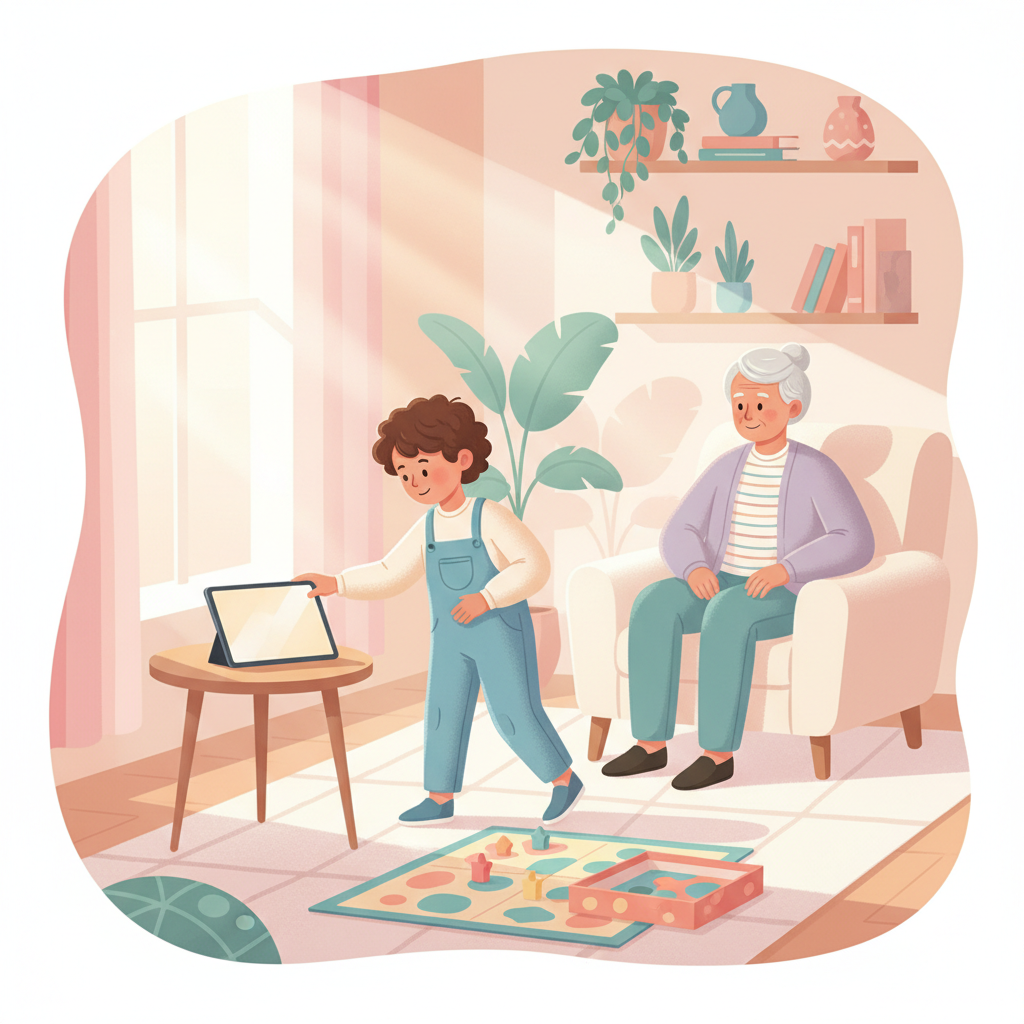
Navigating the Screen Time Shift: Mastering the Transition After Visiting Grandparents
With my firstborn, the thought of a visit to Grandma and Grandpa's house filled me with dread, specifically regarding screen time. I'd meticulously planned our home routine, only to watch it unravel in a blur of tablet games and streaming cartoons. By my fourth, I'd learned that focusing on how to manage screen time at Grandma's and, more importantly, how to transition off screens when leaving grandparents house, made all the difference. Looking back, much of the stress stemmed from expecting things to be different, rather than preparing for the inevitable shift.
If I could whisper one piece of wisdom to my younger mama-self, it would be this: the "grandparent effect" on screen time is real, and it's okay. Grandparents often want their grandchildren to have a wonderful, easy time, and screens can feel like a simple way to achieve that. They might have different, or looser, rules than you do at home. And that's perfectly fine for the visit itself. The real challenge isn't the extra screen time they get; it's the transition back to your home's established rhythm. This is especially true for kids prone to meltdowns when their favorite activity ends abruptly. Understanding that behavior is key.
The Unique Dance of Screen Time Rules with Grandparents
The "Grandparent Effect" is a beautiful thing, typically driven by love and a desire for connection, but it can playfully bend your established rules. They might be more lenient with late-night viewing or allow more uninterrupted game time than you do. This isn't a critique of their methods, but a simple reality. Your kids notice. They might see their grandparent's house as a "free zone" for devices, making the return home feel like a punishment.
Understanding child behavior after screen time is also crucial. For most kids, extended screen use can lead to restlessness, irritability, and difficulty with self-regulation. When this is combined with the joy and familiarity of being with grandparents, the transition back can feel particularly jarring. They’ve been immersed in digital worlds, and suddenly being asked to engage with a more structured, screen-free environment can feel like a demand to switch personalities.
Laying the Groundwork: A Chat Before the Adventure
Before you even pack the suitcases, have a proactive conversation. This isn't about dictating rules, but about setting expectations for everyone. Chat with the grandparents about your general approach to screen time at home. You can frame it gently: "We're trying to encourage more board games and outdoor play when we're home, and I'd love to carry that momentum into our visit if possible." Most grandparents are eager to support your parenting goals.
You can also talk to your kids. "Grandma and Grandpa have such fun places for you to play! We'll have screen time during the visit, and when we get back home, we'll go back to our usual after-dinner reading and quiet games to help our brains rest." This plants a seed and normalizes the idea of a screen-free period.
A helpful framework, which we adopted and found success with, is something I call the 7-7-7 Rule. It's not a formal guideline, but a gentle reminder:
- 7 days before we visit, we start mentioning the upcoming trip.
- 7 days during the visit, we remind them about our home screen routines.
- 7 minutes after we arrive home, we initiate a screen-free activity.
Weaving Through Transitions with Ease and Understanding
Discover your baby's phase
The art of ending screen time at grandparents' lies in preparation and gentle redirection. For screen time in general, and particularly after a visit, consistent pre-warnings are your best friend. Start your countdown well before the actual shutdown. "You have ten more minutes," then "Five more minutes," and finally, "Two more minutes, then screens off."
When it’s time to disconnect, use clear and calm language. Instead of a blunt "Turn it off!", try:
- "Okay, time for our next adventure! Let's power down the tablet so we can build that amazing fort."
- "Looks like the timer went off. Let's switch to drawing pictures of all the fun things we did here."
- "This is our last episode before we pack up for home. We'll have so much to talk about on the drive!"
- "We're getting ready to go. Let's put the games away, and we can play a quick round of I Spy in the car."
What to do when tantrums erupt? This is where experience kicks in. Firstly, don't take it personally. This is a natural reaction to change, amplified by the transition. Validate their feelings: "I know you're sad the game is over. It was really fun." Then, offer a clear, enticing alternative. "Let's go outside and see if we can find that bird we heard," or "Who wants to help me pack our bags? We can make it a challenge!" Sometimes, a quick hug and distraction are all that's needed. For truly explosive moments, a calm but firm "We can talk about this when we're both feeling calmer" can create space.
Reclaiming Your Own Space: The Post-Visit Screen Detox
Once you’re home, creating a device-free buffer period can be incredibly beneficial. For the first evening, or even the first day back, consider putting devices away completely. This helps everyone readjust to your home’s energy and limits without the immediate pull of familiar digital entertainment. It's a chance to reset.
Engage alternatives to screens that foster connection and creativity. This is the time to pull out those board games, art supplies, or plan a simple outing:
- Build a fort: Use blankets and pillows to create a cozy den for storytelling.
- Bake together: Simple cookies or muffins are a great way to connect.
- Go for a walk or bike ride: Explore a local park or trail.
- Read aloud: Choose a favorite book and snuggle up.
- Play dress-up: Let imaginations run wild.
And let's address "depleted grandmother syndrome" – that feeling of guilt you might have if your kids were heavily reliant on screens at their house, or if you feel you didn't manage the transition well. Remember, you are the parent, and your rules are valid. Grandparents want your kids to be happy, and the visit was likely filled with immense love and connection, which is the primary goal. A little bit of extra screen time doesn't erase all the good parenting you do at home. Give yourself grace.
Weaving Harmony for the Long Haul
Maintaining screen time harmony, especially after visits, requires ongoing communication. Schedule regular, low-pressure check-ins with your kids (and grandparents, if appropriate) about what’s working and what isn't. Adapt your strategies as your children grow and their needs change. What worked for your preschooler might not fly with your pre-teen.
Embracing flexibility within limits is the ultimate goal. Sometimes, a slightly looser approach at Grandma's is just part of the family tapestry. The key is to have established routines at home that you can re-engage with upon return, making the transition less of a battle and more of a natural shift. It’s about balance, not perfection.
The journey from grandparent's house back to your own is a small but significant moment in a child's week. By preparing, communicating, and offering gentle guidance, you can transform a potentially fraught transition into a smooth return, reinforcing your family’s values and strengthening your connections.