Transition Toddler from Screen to Quiet Play Gently
Learn gentle strategies to transition your toddler from screen time to quiet, independent play without meltdowns. Discover tips for preparation, engagement, and fostering focus.
Gently Guiding Your Toddler: From Screens to Quiet Play
Before you even think about turning off the tablet, take a moment to simply observe your little one. Notice the way their eyes track the colors, the small sounds they make, and the focused stillness they inhabit. This intense absorption is a powerful sign of their developing mind at work. When it comes to how to transition a toddler from screen to quiet play gently, much of our success lies in understanding this engagement and preparing them for what comes next. It’s not about a sudden stop, but a thoughtful, connected shift.
The Magnetic Pull of the Screen: Why Transitioning Can Be a Hurdle
The modern world offers a dazzling array of digital stimuli, and toddlers, with their incredibly absorbent minds, are naturally drawn to it. For children aged 18 months to 4 years, the rapid pace, bright lights, and engaging sounds of screens can create a powerful, almost trance-like state. When we abruptly pull them away, we aren't just interrupting entertainment; we're breaking a deep state of focus that their developing brains are still learning to manage.
This is why, in gentle parenting, transitions are viewed as opportunities for connection, not control. Instead of seeing resistance as defiance, we see it as a sign that our child needs more support in navigating change. The goal is to foster a child's ability to self-regulate, and that starts with us modeling calm, predictable shifts.
Preparing the Ground for a Peaceful Departure
The secret to a smooth screen-to-play transition often lies in what happens before the "off" button is pressed. This involves preparation, prediction, and a touch of ritual.
- Predictive Language is Your Ally: Toddlers thrive on predictability. Using clear, simple language to preview upcoming events is crucial. Statements like, "In five minutes, we will be all done with the show," or "After this song, it will be time to put the tablet away," give their brain time to process the shift. This verbal cue is the first step in preparing them for the change.
- Visual Cues for Clarity: For little ones who are still developing their grasp of abstract time, visual aids can be incredibly helpful. A visual timer, like one with a colored disk that disappears, can be placed near the screen. As the color vanishes, the child can see the time dwindling. This concrete representation makes the abstract concept of time more understandable, reducing the "surprise" element of the screen turning off.
- The Power of Ritual: Establishing a consistent routine around screen time ending can cultivate a sense of security. This might involve a specific song sung as the tablet is put away, a designated "landing spot" for the device, or a "screen time wrap-up" tidy-up. This ritual signals the end of one activity and the gentle invitation to another, making the transition predictable and less jarring.
Bridging the Gap: From Screen Glow to Active Engagement
Once the screen is off, the immediate aftermath is critical. We want to offer something that captures their attention, but in a different way, allowing their senses to recalibrate.
- Sensory Shifts for Reorientation: After the intense visual and auditory stimulation of a screen, engaging other senses can be grounding. Consider offering a small bowl of water with a sponge for gentle squeezing, or a basket filled with soft fabrics of varying textures for them to explore. The tactile experience helps shift their focus.
- Movement Breaks as Release Valves: All that stillness in front of a screen can lead to pent-up energy. A brief, energetic movement break can be just the ticket. Think of a quick dance party to upbeat music or a few minutes of jumping on the spot. This allows them to physically express their energy before settling into quieter pursuits.
- Empowering Choices in the Calm: One of the most effective ways to foster cooperation is by offering genuine choices. Once the screen is off, you might present two appealing, screen-free options: "Would you like to build with the blocks, or would you prefer to look at books?" This small act of autonomy can significantly reduce resistance, as the child feels they have a voice in their own play.
Igniting the Spark for Absorbing Quiet Play
The world of screen-free play offers a rich landscape for a child’s developing mind. When we thoughtfully prepare the environment, these activities become compelling invitations.
Discover your baby's phase
Toddler Quiet Time Activities can look wonderfully varied, tapping into different developmental needs:
- Process Art and Creative Exploration: Instead of focusing on a perfect outcome, encourage exploration. Offer chunky crayons and large paper, or invite them to mix colors with water and brushes on a protected surface. The sensation of the crayon on paper or the feel of the brush is often more engaging than a pre-drawn coloring page. For children aged 2-4, this focus on exploration is paramount.
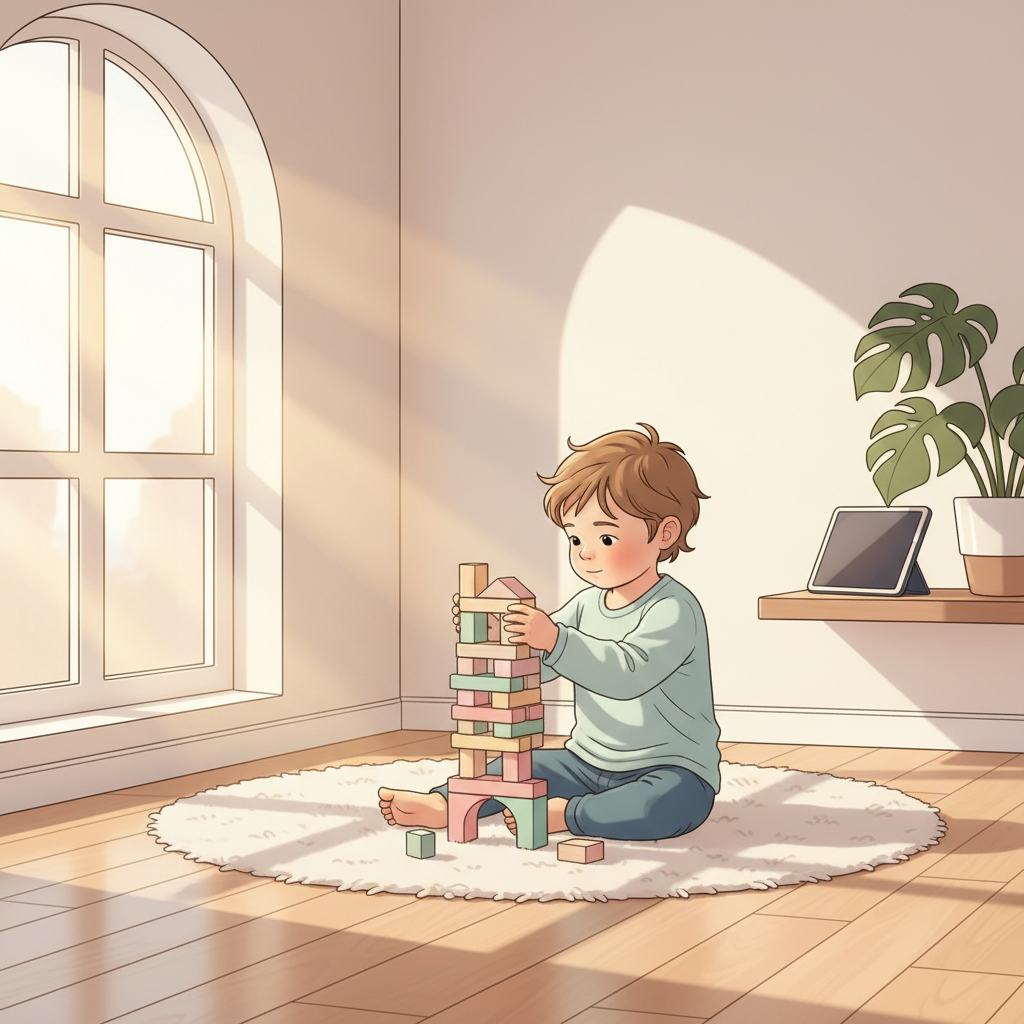
- Building and Constructive Play: Simple wooden blocks, large interlocking bricks, or even sturdy cardboard boxes can provide hours of engaging building. Whether they are creating towers that reach the ceiling or simple enclosures, the act of construction is deeply satisfying. This type of play, suitable for toddlers and preschoolers alike (2-5 years), fosters problem-solving skills.
- Nature-Inspired Sensory Bins: Create a low bin filled with items like dried beans, rice, soft cotton balls, or smooth stones. Add scoops, small containers, and perhaps a few plastic animals. These sensory bins, perfect for toddlers aged 18 months and up, offer endless opportunities for pouring, scooping, and imaginative play, providing a calming, tactile experience.
- Story Time and Listening Adventures: Cuddle up with a stack of engaging picture books. Vary your voice, point out details in the illustrations, and encourage your child to “read” along with what they see. For younger toddlers (12-24 months), simple board books with sturdy pages are ideal. This activity not only builds language skills but also nourishes their imaginative capacity.
Navigating the Storm: When Meltdowns Arise
Even with the best preparation, there will be moments when the screen-to-play transition triggers frustration. In these instances, our role shifts to being a calm anchor for our child.
- Validating Their Feelings: Acknowledge their emotions without judgment. Phrases like, "I see you are feeling really sad that the show is over," or "It’s hard when we have to stop something fun," let the child know they are understood. This validation is the first step in helping them process their disappointment.
- Co-Regulating Emotions: Your calm presence is a powerful tool. Sit with your child, offer a gentle hand on their back, or simply be a quiet observer. Your goal is to transmit your calm energy to them, helping them gradually regulate their own intense feelings. This is a critical skill for children aged 2-4.
- Reassessing Expectations: If transitions are consistently challenging, it might be a sign that our expectations are a bit too high for this stage. Break down the transition into even smaller steps, or reduce the duration of screen time. Celebrating small victories – like a smooth transition only one out of three times – is still progress.
Cultivating Lasting Habits: The Long View of Play
Managing toddler screen time meltdowns and encouraging quiet play is an ongoing journey, not a destination. Building a sustainable routine means understanding the developmental rhythm of your child.
- How Long Should Quiet Time Be? For a 2-year-old, a focused quiet activity might last 15-20 minutes. For a 3-year-old, this might extend to 30-45 minutes, and for a 4-year-old, it could be closer to an hour or more, especially if it’s a deeply engaging activity. The key is to observe your child’s engagement and not force it beyond their capacity.
- Quiet Time Instead of Nap: For some children, especially as they approach their third or fourth birthday, the need for a full afternoon nap may wane. This is where dedicated quiet time in their room or a designated play area becomes essential. It’s a time to rest their body and mind without the pressure of sleep, allowing for independent, calm engagement with activities.
- Remembering the 'Why': When we’re in the thick of parenting, it’s easy to forget the profound developmental benefits of independent, child-led play. It is through this play that children develop creativity, problem-solving skills, emotional intelligence, and a sense of self. Gently guiding them away from passive consumption towards active creation is one of the most valuable gifts we can give.
Embracing these strategies for gentle screen time ending and cultivating a love for quiet time activities is about more than just managing behavior. It’s about nurturing a child’s innate capacity for wonder, exploration, and self-discovery.