Toddler Screen to Quiet Time: Stop Meltdowns in 3 Steps
Learn how to transition your toddler from screen time to quiet activities without meltdowns. Discover a 3-step plan, pre-warnings, and tips for peaceful shifts.
Toddler Screen to Quiet Time: Stop Meltdowns Now
For many parents, the seamless shift from screen time to quiet activities feels like an impossible dream. The jolt from captivating digital worlds to calm, screen-free engagement often triggers meltdowns, leaving both toddlers and parents frustrated. While screens can be a useful tool, transitioning away from them requires intention and a strategic approach. This guide will help you understand how to transition toddler from screen to quiet time activities without meltdown, setting the stage for smoother, more peaceful shifts.
Why Screen-to-Quiet-Time Transitions Are So Tricky for Toddlers
Understanding your toddler's brain during screen time is key. Screens offer a highly stimulating, fast-paced experience with flashing images, concurrent sounds, and rapid content. This is a stark contrast to the gentle pace of everyday life.
When the screen goes off, their brains are jolted from "high gear" to "park." They've been receiving a constant influx of dopamine, and suddenly, it's gone. This abrupt shift from intense to low stimulation can feel disorienting, even jarring, for a developing brain. This is why setting the stage for success, rather than struggle, is crucial. You can either invite a meltdown by arbitrarily pulling the plug, or you can guide them through the shift with intention and foresight. It's often about managing expectations—both theirs and yours. When meltdowns occur, knowing that your toddler throws their Amazon Fire tablet during meltdowns can offer perspective.
Pre-Transition Power Plays: Setting the Stage for Smooth Sailing
The magic of pre-warnings cannot be overstated when navigating toddler screen time transitions. Give your child a 10-minute heads-up, then a 5-minute warning. For example, "In five minutes, we're going to say goodbye to Daniel Tiger." This predictability helps their little brains prepare for the change.
Visual cues and timers can be secret weapons. A sand timer, a visual countdown app, or even a simple kitchen timer can make the abstract concept of "time ending" concrete. When the timer goes off, it's not simply Mommy enforcing a rule; it's just… time. This external cue is often much more palatable than direct parental instruction.
Choosing the right quiet time activities is paramount. They're not all equal in their ability to engage a child after screen time. Think about what will naturally draw them in without requiring a huge mental leap. Simple, familiar, and enjoyable activities tend to work best. Consider screen-free activities for sick toddlers inside apartments when they need calm engagement.
The Transition Triangle: Your 3-Step Meltdown Prevention Plan
My approach evolved into a simple, three-step process for preventing those dreaded screen time meltdowns. It’s less about strict rules and more about connection and gentle redirection.
Step 1: The Gentle 'Goodbye' to the Screen
When the time is up (thanks, timer!), make it a clear and positive closing. Instead of just shutting it off, say something like, "Okay, show's all done! Time to wave goodbye to the characters." You can even physically put the remote away or turn off the TV together. This signals a definitive end.
Step 2: Bridging the Gap with a Special Connection
This step creates a buffer. Immediately after the screen, offer a moment of focused connection. Maybe it's a quick, enthusiastic hug, a silly dance break, or reading a favorite short book together. This shows them their immediate needs for connection are met, softening the blow of the screen ending.
Discover your baby's phase
Step 3: Engaging in the Chosen Quiet Activity (Together at First)
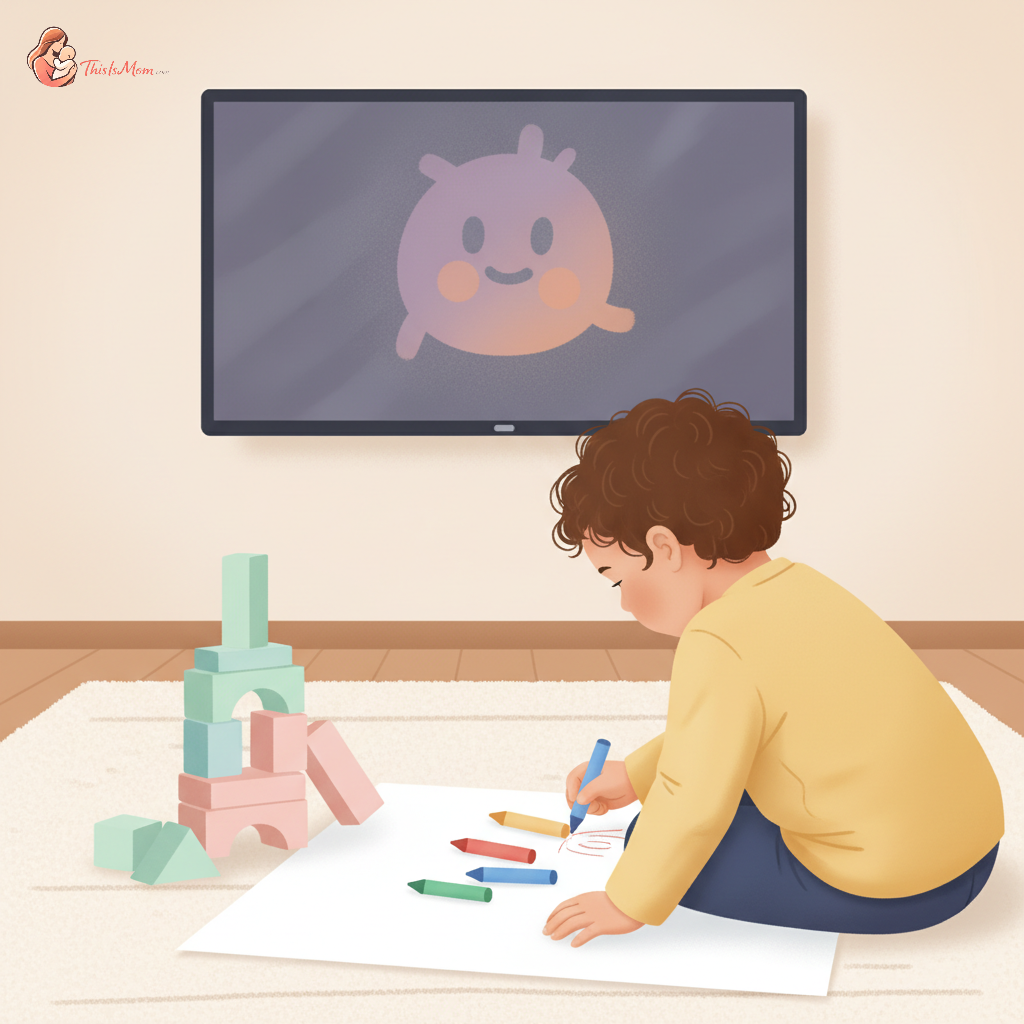
Gently introduce the quiet time activity. "Remember we were going to build with these blocks?" or "Let's finish drawing your picture." Sit with them for a few minutes to get them started. Your initial presence can be the hook they need to engage with the new activity, especially if it's a non-screen activity a toddler might not immediately gravitate towards independently. Consistent screen time rules across caregivers can also help, as discussed in balancing toddler screen time at different caregivers' homes.
Understanding Screen Time Guidelines: Are '7-7-7' or '3-6-9-12' Rules Necessary?
You'll hear many different recommendations when it comes to toddler screen time. Some families follow a '7-7-7' rule: no more than 7 hours of screen time per week, no more than 7 minutes per sitting, and no screens within 7 feet. Others might look at a '3-6-9-12' guideline, which generally suggests screen time limits and content appropriateness for different age groups: minimal to no screen time for under 18 months (except video chatting), limited educational content for 18-24 months, more co-viewing for preschoolers, and structured limits for older kids.
The truth is that these are guidelines, not dogma. It's about adapting screen time recommendations for your family based on your child's temperament, lifestyle, and values. What works for one family might not for another. The key is to be intentional about the screen time you do allow.
There are times when a more significant toddler digital detox might be beneficial. If you notice constant irritability, difficulty focusing on other activities, or significant arguments around screen use, it might be a sign that a break is needed for everyone to recalibrate. This can be especially true if you're navigating daycare illness exclusion guidelines, as a child feeling unwell might rely more on screens.
Troubleshooting Meltdowns: When Transitions Don't Go to Plan
Let's be honest: even with the best-laid plans, meltdowns happen. It's part of living with toddlers. Understanding why toddlers melt down during these transitions is the first step towards managing them. It's not always just "they want more screen time." Often, it's about the abrupt shift, the feeling of losing control, or unmet needs. For example, explaining tablet 'battery died' to pacify tantrum can be a strategy, but it's also important to understand the underlying reasons.
When a meltdown is in full swing, your calm is their anchor. Take deep breaths. Strategies for de-escalation in the moment might include offering a choice ("Do you want to hold my hand or walk next to me?"), validating their feelings ("I see you're very upset that the show is over"), or simply creating a safe space for them to feel their emotions without judgment. Sometimes, you just have to ride the wave.
Learning from the meltdown is crucial for future transitions. Was the warning not long enough? Was the chosen quiet time activity too complex? Was your child overtired or hungry? Adjusting your routine based on these observations, rather than just repeating the same failed strategy, is how you improve.
Cultivating a Quiet Time Habit: Beyond the Screen Transition
The goal isn't just to manage the screen-to-quiet-time transition; it's about building a positive quiet time for toddlers habit that stands on its own. This means building a repertoire of engaging, non-screen activities that truly capture their interest. Think puzzles, art supplies, imaginative play with dolls or cars, building blocks, or even simple sensory bins.
The benefits of independent quiet play for development are immense. It fosters creativity, problem-solving skills, concentration, and emotional regulation. It gives them a chance to explore their own interests and build confidence in their ability to entertain themselves. This is a gift that pays dividends for years to come.
Making quiet time a positive and cherished part of the day involves framing it as special time, not punishment or something to endure. Rotate toys, introduce new materials periodically, and occasionally join in for a short while to show your enthusiasm. Over time, it becomes a natural, welcome pause in their day, a space for their own rich, internal world to unfold. Consider using compact floor activity mats for small living rooms to create dedicated, inviting spaces for this quiet play.