Travel with Frozen Breast Milk: Cooler Carry-On Guide (TSA)
Master traveling with frozen breast milk in a cooler carry-on. Learn TSA rules, packing tips, and how long milk stays frozen for stress-free flights.
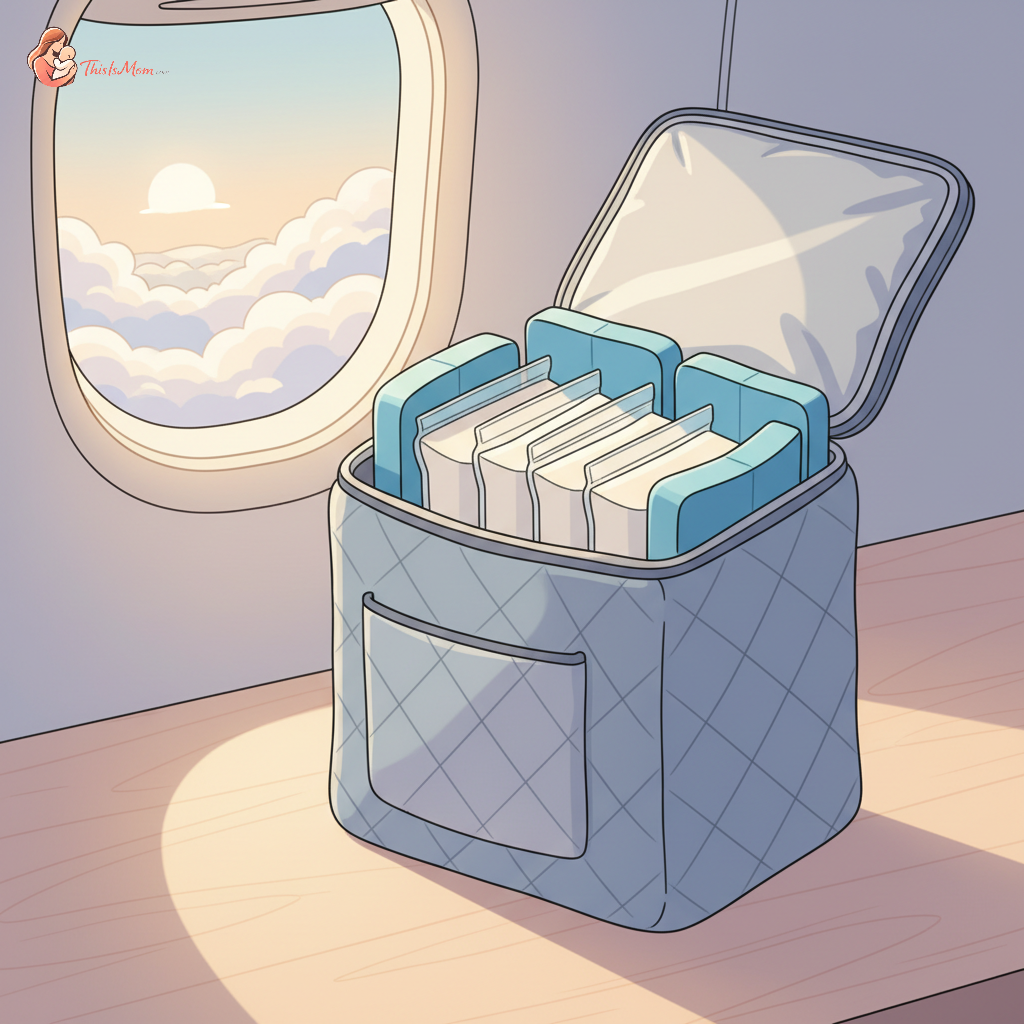
- Insulation is Key: Look for a cooler bag specifically designed for breast milk. These are typically made with thick, high-quality insulation that will keep your milk colder for longer. Think of it as a mini-fridge for your milk.
- Ice Packs vs. Dry Ice: For most flights, standard reusable ice packs (the kind you freeze) are perfectly fine. They'll keep your milk frozen for several hours. Dry ice, while colder, is a bit more complicated. It has specific regulations for air travel due to its sublimation (turning directly from solid to gas) and can be tricky to handle. For peace of mind and ease, stick with good quality ice packs.
- Layering for Retention: Pack your frozen milk bags tightly together. The more milk you have, the better it will insulate itself. Fill any empty spaces with more ice packs or even some small, soft towels. Place your most frozen milk at the bottom, surrounded by ice packs.
- How long can breast milk stay frozen in a cooler? This is a critical question, and the answer is: it depends. With good insulation and plenty of ice packs, you can typically keep breast milk frozen for 12-24 hours. Some high-performance coolers might even go longer. The critical factor is minimizing temperature fluctuations.
Try to pack your cooler the night before your flight. Freeze your ice packs solid, and pack your milk right out of the freezer. The less time it spends at room temperature before it gets into the plane's cargo hold (or under your seat!), the better.
Pre-Flight Prep: Your Smooth Journey Checklist
Now that your milk is packed, let's talk about the actual travel day. Being organized and prepared makes all the difference.
- Label Everything Clearly: Each bag of milk should be labeled with the date it was pumped. This is crucial for identifying how old the milk is. If you have different types or volumes, clearly marking them can also be helpful.
- Communicate with Your Airline: While TSA handles security, the airline handles the actual flight. It's not always necessary, but some moms find it helpful to mention to the gate agent or flight attendant that they’re traveling with frozen breast milk. They might be able to offer a bit of extra care or a designated spot.
- Backup Plans: What if, despite your best efforts, a bag starts to thaw? Have a plan. Know the guidelines for when breast milk is considered safe to consume or if it can be refrozen. It's always better to have a contingency.
Real talk – unexpected things happen on planes. A forgotten ice pack, a particularly long delay. Don't beat yourself up if a bag thaws a little. The goal is to keep it as cold as possible for as long as possible.
Arrival and Beyond: What to Do With Your Stash
You’ve made it! Your precious cargo is still frozen, or at least acceptably chilled. Now what?
- Re-freezing vs. Refrigerating: If your milk is still mostly frozen with ice crystals, it's generally considered safe to refreeze. If it has completely thawed and is no longer cold, it's best to refrigerate it and use it within 24 hours. Once refrigerated milk is consumed, any leftovers should be discarded. Always follow the latest recommendations from health organizations like the CDC.
- When to Cool It: If you're traveling for an extended period, you might want to transition your milk from the cooler to a hotel mini-fridge or a more robust cooler with fresh ice. For longer trips, consider shipping your milk if feasible and if refrigeration is a concern.
The truth is, traveling with breast milk is a journey in itself. It takes effort, planning, and a whole lot of grace. You’re doing an amazing job juggling motherhood and your baby's nutritional needs, especially while on the move.