Is the UPPAbaby Vista V2 Bassinet Stand Safe for Overnight Sleep?
Discover if the UPPAbaby Vista V2 bassinet stand is safe for overnight sleep. Learn about its features, compatibility, and essential safe sleep practices for your baby.
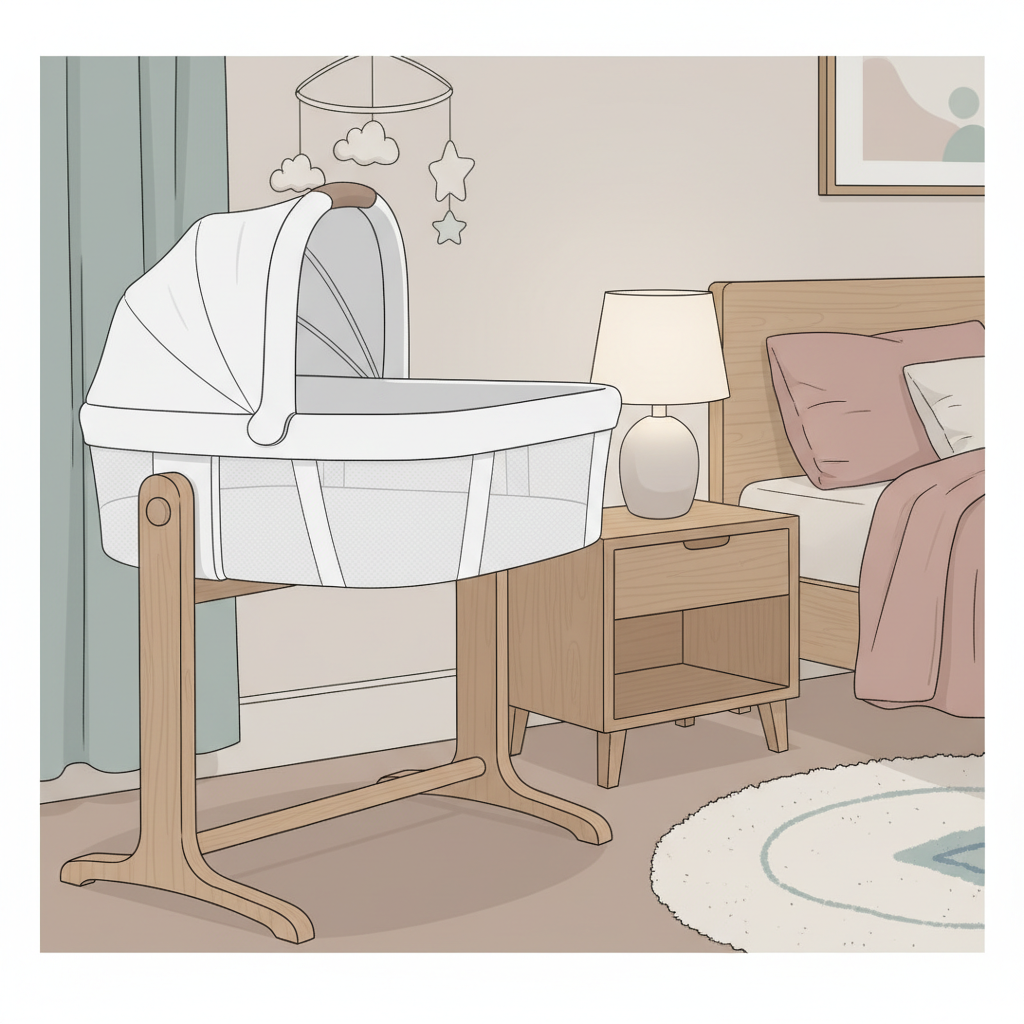
Is the UPPAbaby Vista V2 Bassinet Stand Safe for Overnight Sleep?
Bringing a new baby home is a whirlwind of joy and adjustment. Among the many decisions new parents face, figuring out where your baby will sleep safely is paramount. If you're considering your UPPAbaby Vista V2 bassinet and its accompanying stand, especially for those first few months, you're likely asking: Is the UPPAbaby Vista V2 bassinet stand safe for overnight sleep? Let's break down what the guidelines and manufacturer information suggest.
Navigating Bassinet Sleep: What Parents Need to Know
When discussing infant sleep, safety is the non-negotiable foundation. Overnight sleep has specific requirements because babies spend extended periods sleeping, and their ability to adjust their position or signal distress is limited. This means the sleep surface needs to meet stringent standards to minimize risks.
What makes overnight sleep safety different from daytime naps or short excursions? It’s about the duration and the baby's vulnerability. The American Academy of Pediatrics (AAP) has long emphasized practices that reduce the risk of Sudden Infant Death Syndrome (SIDS) and other sleep-related deaths. These recommendations are crucial for all sleep environments where a baby spends extended time.
Understanding bassinet certifications is also important. While many bassinets are designed for comfort and convenience, not all are certified for safe overnight sleep. Manufacturers will typically state clearly on their product packaging and in their manuals if their bassinet meets the safety standards for unsupervised, overnight use. Always look for this explicit information.
UPPAbaby Vista V2 Bassinet: Designed for Safe Sleep
UPPAbaby designs its Vista V2 bassinet with infant comfort and safety in mind. According to UPPAbaby's product information, the bassinet is intended for use from birth up to 20 lbs, or until the baby can push up on their hands and knees. This is a common weight and developmental limit for bassinets.
The design incorporates key features that align with safe infant sleep principles. The bassinet provides a flat, firm sleeping surface, which is a cornerstone of safe sleep recommendations. Overly soft surfaces or angled sleep spaces can increase the risk of suffocation.
Additionally, the UPPAbaby bassinet features a breathable mattress and ventilated side panels. These elements are designed to improve air circulation, reducing the risk of overheating and rebreathing exhaled air – both factors that the AAP highlights as important for safe sleep.
It's important to note what UPPAbaby says about their bassinet's intended use. The manufacturer's guidelines generally state that the bassinet is safe for sleep when used with a compatible UPPAbaby bassinet stand or on the Vista V2 stroller frame.
The UPPAbaby Bassinet Stand: Your Overnight Sleep Solution?
This brings us to the UPPAbaby Bassinet Stand, a popular accessory for parents who want to keep their baby close. The crucial question for many is: Is the UPPAbaby bassinet stand safe for overnight sleep?
Based on UPPAbaby's product specifications and guidance, the UPPAbaby Bassinet Stand is designed and recommended for overnight sleep when used with a UPPAbaby bassinet that is compatible with the stand. This means it provides a stable, elevated surface that meets the requirements for a safe sleep environment.
Setting up your bassinet stand correctly is vital for safety. Always follow the manufacturer’s assembly instructions precisely. Ensure all parts are securely fastened and that the stand is placed on a stable, level surface. The stand is engineered to hold the weight of the bassinet and baby, but improper assembly can compromise its stability.
Discover your baby's phase
Regarding compatibility, the UPPAbaby Bassinet Stand is designed to work with specific UPPAbaby bassinets, including those from the Vista V2 and the newer Vista V3 models. Always confirm the compatibility of your specific bassinet model with the stand. This is particularly important if you are transitioning from a bassinet to a crib, as established sleep habits can be difficult to change. gentle-bassinet-to-crib-transition-4-months
Your Questions, Answered: UPPAbaby Bassinet & Safe Sleep
Many parents have specific scenarios in mind when considering where their baby sleeps. Let's address a few common questions:
Can I use the UPPAbaby bassinet as a bedside bassinet?
Yes, when the UPPAbaby bassinet is placed on the UPPAbaby Bassinet Stand, it can be positioned next to your bed, fulfilling the role of a bedside bassinet. This allows for easy access and monitoring of your infant during the night, which is a significant benefit for many new parents. This is especially helpful when you might be experiencing postpartum fatigue with multiple young children.
Is the UPPAbaby bassinet safe for sleep on the floor?
The UPPAbaby bassinet is not designed or recommended for sleep directly on the floor. The bassinet itself is intended to be used on a stable surface, either the UPPAbaby stroller frame or the UPPAbaby Bassinet Stand. Placing it directly on the floor can elevate it unevenly, potentially compromise breathability, and make it difficult to monitor your baby. This could also be a concern if your baby only sleeps in a carrier.
When to transition out of the bassinet
The transition out of the bassinet is typically determined by the baby's development or weight. As mentioned, UPPAbaby recommends transitioning out when the baby reaches 20 lbs or can push up on their hands and knees. This is because a baby beginning to sit or crawl could potentially tip the bassinet or pose a suffocation risk if they become wedged against the sides. At this point, a crib or bassinet that meets current safety standards is the next step. This transition is often around the time when your baby wakes up immediately after falling asleep or when you might explore the drowsy but awake newborn sleep method.
Beyond the Bassinet: General Safe Sleep Practices
Regardless of the sleep surface, adhering to general safe sleep practices is paramount. The AAP provides clear guidelines to reduce the risk of SIDS and sleep-related infant deaths.
Here are the core recommendations from the AAP:
- Place your baby on their back for every sleep, including naps and nighttime sleep.
- Use a firm, flat sleep surface, such as a mattress in a safety-certified crib, bassinet, or play yard.
- Dress your baby in light sleep clothing and avoid soft bedding, such as blankets, pillows, and bumpers, in the sleep area.
- Always room-share with your baby for at least the first six months, but do not bed-share. Keep the baby’s sleep area in the parents’ room, near the parents’ bed.
- Avoid exposing your baby to overheating.
Creating a safe sleep environment also means keeping the crib, bassinet, or play yard free of soft objects, toys, and loose bedding. Ensure the mattress is firm and fits snugly, with no gaps between the mattress and the sides of the sleep surface. If you are concerned about your baby's sleep patterns, it is always a good idea to consult with your pediatrician, especially if you are concerned about postpartum rage and irritability or your own mental health.