15 Ways to Get Toddler to Eat Protein (Refusing Meat/Eggs)
Is your toddler refusing meat and eggs? Discover 15 smart ways to get them to eat protein, including plant-based options and clever hiding techniques.
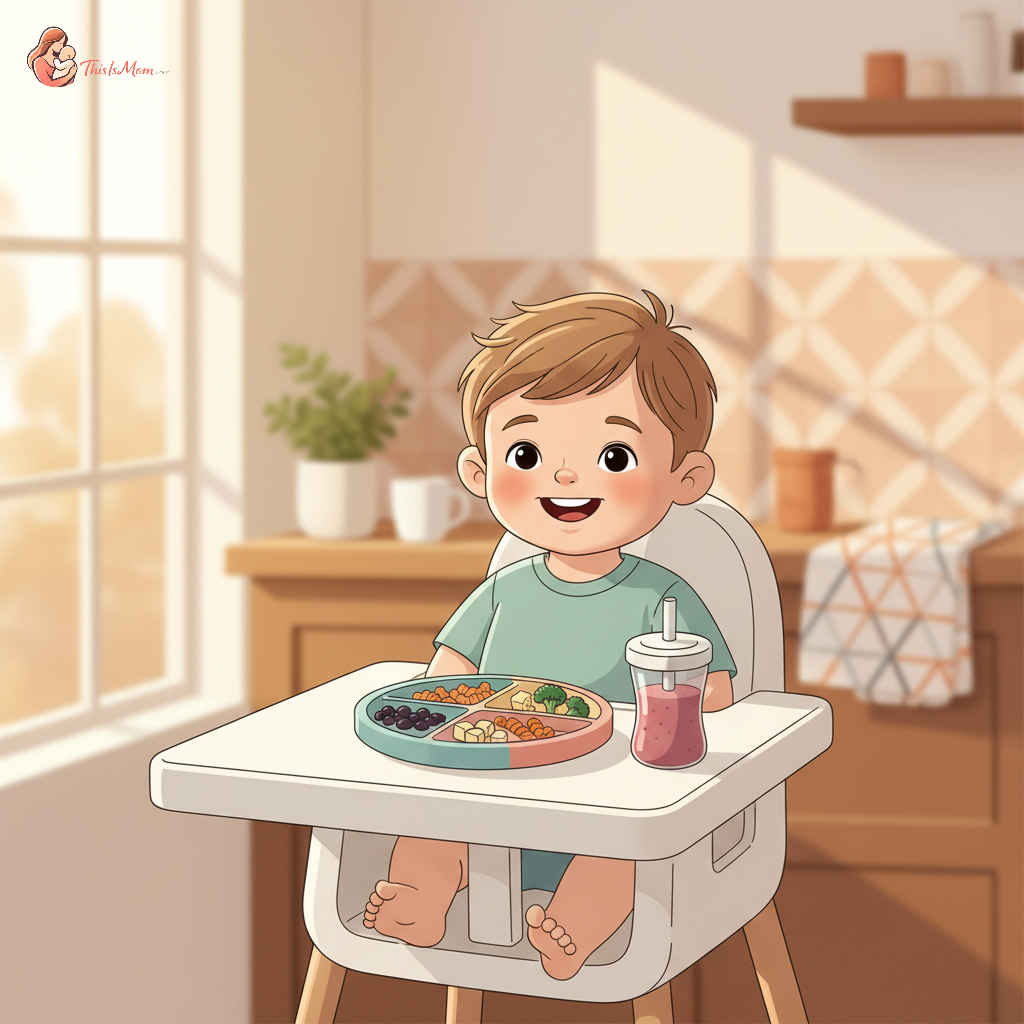
Toddler Won't Eat Protein? 15 Smart Ways to Sneak It In!
Is your toddler refusing meat and eggs, leaving you concerned about their protein intake? This is a common worry for parents, and understanding effective ways to get a toddler to eat protein when they're turning down familiar sources is crucial for their healthy development.
Toddlers are notorious for their evolving food preferences, and protein sources can often become casualties of picky eating phases. But before you despair, know that many effective, evidence-based strategies exist to boost your child's protein intake, even if they won't touch a chicken nugget or a scrambled egg.
Why Your Toddler Might Be Refusing Meat and Eggs
As a mom who's navigated these waters, I know how unsettling it can be when your little one turns their nose up at nutritious foods. It’s helpful to understand what might be behind picky eating.
Normal Picky Eating vs. Real Concerns
According to the American Academy of Pediatrics (AAP), picky eating is a normal developmental stage for many toddlers. Their growth rate slows after the first year, so their appetite can decrease, and their desire for independence often manifests at the dinner table.
However, persistent and extreme food refusal, especially if it impacts growth or energy levels, warrants a closer look. The AAP advises monitoring your child's growth and overall well-being.
Sensory Sensitivities and Textures
Many toddlers have strong sensory preferences. The texture of meat can be a particular challenge – it can be chewy, stringy, or even mushy, all of which can be off-putting to a sensitive palate. Eggs, especially scrambled, can also have a texture that some toddlers find unappealing.
Some children may have underlying sensory processing differences that make certain foods difficult to accept. This is not willful defiance, but rather a different way of experiencing the world.
Plant-Powered Protein Stars for Picky Eaters
When meat and eggs are off the table, the world of plant-based proteins opens up. These are fantastic high-protein foods for picky eaters and can be incorporated in surprisingly versatile ways.
Legumes and Beans: Unexpected Heroes
Beans and lentils are nutritional powerhouses, packed with protein and fiber. They are naturally soft, making them easier for toddlers to manage.
- Black beans: Blend them into quesadillas, burgers, or even brownies.
- Lentils: Pureed lentils can be added to pasta sauces or soups.
- Chickpeas: Roasted chickpeas can be a fun snack, or mashed chickpeas can be spread on toast.
Research suggests that regular exposure, even without pressure to eat, can lead to acceptance over time.
Tofu and Tempeh: Versatile Wonders
Tofu and tempeh are soy-based proteins that are incredibly adaptable. They absorb flavors well, making them a great addition to many dishes.
- Tofu: Silken tofu can be blended into smoothies or sauces. Firm tofu can be baked, pan-fried, or crumbled into scrambles or pasta dishes.
- Tempeh: This fermented soybean product has a firmer texture and nutty flavor. It can be crumbled or cut into smaller pieces and added to stir-fries or pasta.
Nut and Seed Butters: Tiny But Mighty
Nut and seed butters, like peanut butter, almond butter, or sunflower seed butter, are concentrated sources of protein and healthy fats.
- Make sure they are smooth and spread thinly to avoid choking hazards.
- Spread them on toast, crackers, or fruit slices.
- Stir a spoonful into oatmeal or yogurt.
The CDC highlights the importance of diverse nutrient sources for healthy growth and development in young children.
Dairy and Beyond: Other Excellent Protein Sources
Don't forget about familiar dairy products and some often-overlooked whole grains that can significantly contribute to your toddler's protein intake.
Yogurt and Cheese: Familiar Favorites
Plain whole-milk yogurt and cheeses like mozzarella or cheddar are generally well-loved by toddlers and are excellent sources of protein and calcium.
- Offer plain yogurt with fruit or a touch of pureed fruit for sweetness.
- Cheese sticks or cubes can be a convenient snack.
- String cheese is often a fun and interactive food for toddlers.
Nutritional Yeast: Your Secret Weapon
Nutritional yeast has a cheesy, nutty flavor that many toddlers enjoy. It's also a complete protein and a good source of B vitamins, which can be helpful when other protein sources are limited.
Sprinkle it on pasta, popcorn, or vegetables. It can also be stirred into sauces or dips.
Whole Grains: Often Overlooked Protein
Discover your baby's phase
While not as protein-dense as legumes or dairy, whole grains provide a valuable contribution to a toddler's overall protein intake, alongside essential fiber.
- Oatmeal
- Quinoa
- Whole wheat bread and pasta
These form a good base for meals and snacks, supporting a balanced diet.
Clever Hiding Games: Sneaking Protein Into Meals
Sometimes, the easiest way to ensure your toddler eats protein is to present it in a form they already love. These creative ways to get kids to eat protein are about making nutrient boosts seamless.
Smoothies and Purees: The Ultimate Disguise
This is where silken tofu, yogurt, and even mild-tasting beans can disappear without a trace.
- Blend silken tofu or a scoop of plain yogurt into fruit smoothies.
- Add a spoonful of white beans or cashew butter to a fruit puree.
- Ensure the flavors are well-balanced so the added protein doesn't alter the taste.
Baked Goods and Pancakes: A Sweet Treat Boost
Who doesn't love pancakes or muffins? These can be vehicles for hidden protein.
- Add pureed white beans or lentil puree to pancake or muffin batter.
- Incorporate finely ground nuts or seeds into baked goods.
- Use whole wheat flour for an extra boost of nutrients.
Sauces and Dips: Hidden Protein Power
Pasta sauces, hummus, and other dips can be excellent places to incorporate protein.
- Blend cooked lentils or finely ground chicken into pasta sauce.
- Add a spoonful of tahini (sesame seed paste) to homemade hummus.
- Greek yogurt can be a base for creamy dips.
Making Mealtime Fun (and Less of a Battle)
The goal is to foster a positive relationship with food, not to force consumption. Creating a pleasant atmosphere can make a significant difference.
Involving Your Toddler in Food Prep
Kids are more likely to try foods they've helped prepare. Even simple tasks can increase their interest.
- Let them wash vegetables.
- Allow them to stir ingredients (with supervision).
- Have them help arrange food on a plate.
The 'One-Bite Rule' and Gentle Exposure
The AAP suggests offering new foods repeatedly without pressure. The 'one-bite rule' can be a gentle way to encourage exposure. If they try one bite and don't like it, that's okay. The key is repeated, pressure-free exposure.
Modeling Good Eating Habits
Children learn by watching. If you and other family members eat a variety of healthy foods with enthusiasm, your toddler is more likely to follow suit. Make mealtimes a family affair whenever possible.
When to Talk to Your Pediatrician: Red Flags to Watch For
While picky eating is often a phase, there are times when it's important to seek professional guidance. These are signals that merit a conversation with your child's doctor.
Signs of Nutrient Deficiency
Look out for signs that your toddler might not be getting enough nutrients. This could include:
- Unusual fatigue or lack of energy
- Pale skin
- Poorly healing cuts or bruises
- Changes in hair or nail health
Persistent Refusal or Distress at Mealtimes
If mealtimes are consistently a source of extreme distress for your child, or if they refuse entire food groups for an extended period, it’s worth discussing with your pediatrician. This could indicate broader feeding challenges or sensory issues.
Understanding Growth Charts
Your pediatrician monitors your child's growth using standardized growth charts. If your child's growth is consistently below the expected curve, or if there's a sudden plateau or drop, this is a primary indicator that their nutritional intake may be insufficient and requires professional assessment.
Navigating toddler nutrition can feel like a challenge, but by understanding their developmental stage, exploring a wide variety of protein sources, and employing creative strategies, you can ensure your little one receives the nutrients they need to thrive. Remember, patience and a positive approach go a long way.