What Does Postpartum Anxiety Feel Like? Real Examples
Discover specific examples of what postpartum anxiety feels like, from racing thoughts and intrusive worries to physical symptoms. Learn about real moms' experiences and how to find support.
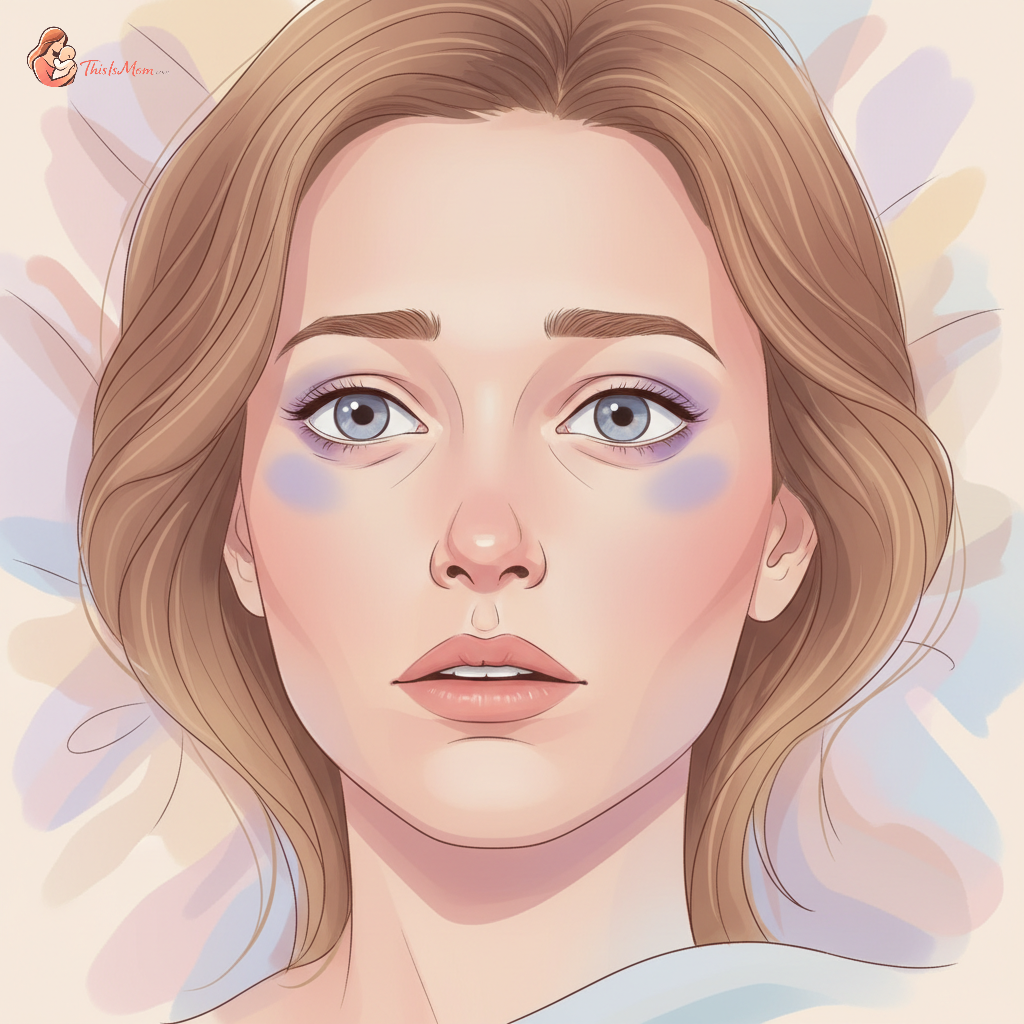
Beyond the Baby Blues: What Does Postpartum Anxiety Feel Like? Real Examples
It was 2 a.m. The house was silent, save for Noah’s soft, rhythmic breathing from his bassinet next to our bed. My body was a lead weight, bone-deep exhaustion seeping into every cell. But my brain? My brain was a frantic hamster on a wheel, spinning out endless worst-case scenarios. This was the moment I realized postpartum anxiety was a whole different beast than anything I'd imagined.
New motherhood is a whirlwind, no doubt. You expect sleepless nights, a steep learning curve, and maybe a few teary moments. But when those worries morph into a suffocating blanket of dread, when your mind races with "what ifs" that leave you breathless, that’s where postpartum anxiety steps in. It’s more than just "new mom nerves"; it’s a persistent, often paralyzing, feeling of unease that can make even the simplest tasks feel monumental.
Is This Just Anxiety, or Am I Losing My Mind?
So, you're wondering, what are signs of postpartum anxiety? It’s that gnawing feeling that something is terribly wrong, even when everything is objectively fine. It's the constant vigilance, the inability to truly relax, and the feeling that you're always one step away from disaster.
Here’s the thing: it’s easy to confuse everyday new mom worry with PPA. We’re all worried about our babies. Am I feeding him enough? Is he sleeping too much? But with PPA, these worries become magnified, intrusive, and frankly, exhausting. They don't quiet down with a reassuring cuddle or a full diaper.
The Uninvited Guest: Racing Thoughts and Dread
My mind became a rerun channel of every potential catastrophe. If Noah coughed, I was convinced he had pneumonia. If he cried for longer than five minutes, I was sure I'd done something terribly wrong and he was in pain. It was an onslaught of overthinking and racing thoughts.
And then there were the intrusive thoughts after baby. These felt like they came out of nowhere, vile and disturbing, imagining harm coming to Noah. They are NOT a reflection of your love for your baby or your desire to be a good mom. They are a symptom of the anxiety, a horrible glitch in the system.
It felt like I was constantly on edge, my nervous system perpetually wired. Trying to relax was impossible. Even when Noah was napping and I had a moment to myself, my mind refused to shut off. It was like a constant hum of low-grade panic, punctuated by bursts of full-blown dread.
Examples of PPA’s Mental and Emotional Grip
- The "What If" Game on Steroids: Every little thing triggered a cascade of "what if" scenarios. What if he chokes? What if he stops breathing? What if I drop him? What if I’m a terrible mom and he’ll resent me forever?
- Perpetual Worrying: It wasn't just about safety. It was about his development, his happiness, his future. Every milestone he missed (even if he hadn't missed it, just hadn't reached it yet) felt like a personal failure.
- Feeling Overwhelmed and Unable to Relax: Even when I should have been able to enjoy a quiet moment, my brain was working overtime. There was no off switch.
When Your Body Joins the Panic Party
It wasn't all in my head. Postpartum anxiety can manifest physically in ways that are just as alarming. My body was in a constant state of fight-or-flight.
I'd wake up with my heart pounding, with no clear reason. Unexplained aches, pains, and tension became my constant companions. My shoulders were perpetually hunched up around my ears, my jaw clenched so tight I’d have headaches by lunchtime.
Sleep issues were another cruel trick. Even when Noah slept for a decent stretch, actual rest eluded me. My mind would buzz, or I’d wake up convinced I heard him crying, only to find him fast asleep. It was like my body couldn’t switch off, even when it desperately needed to. My thoughts often went to potential negative outcomes, a common symptom that can sometimes lead to or be mistaken for toddler separation anxiety.
Discover your baby's phase
My appetite and energy levels were all over the place, too. Some days I’d feel so nauseous I couldn’t eat. Other days, I’d have no energy whatsoever, feeling like I was wading through molasses.
The Physical Manifestations:
- Muscle Tension and Headaches: My neck and shoulders felt like concrete.
- Digestive Issues: Stomach aches, nausea, and an unsettled gut were common.
- Heart Palpitations: My heart would race at random moments, making me feel like I was having a panic attack.
- Dizziness or Lightheadedness: Sometimes the world just felt a little… wobbly.
Voices from the Trenches: Other Moms' Experiences
This is where I want to bring in some of what other moms have shared with me, because hearing real-life stories can be so incredibly validating. You are not alone in this.
One friend, Sarah, shared her experience: "I thought it was just the baby blues, but it never went away. Noah was about six months old, and I was still waking up in a cold sweat every night. I was terrified he was going to stop breathing. It took an honest conversation with my husband and a doctor's visit to realize it was postpartum anxiety that had snuck in." This shows it can hit later – postpartum anxiety can happen at 6 months, or even later. It doesn't have a strict timeline.
Another mom, Maya, described her PPA as feeling completely disconnected from herself. "I looked in the mirror and didn't recognize the person staring back. I felt so detached from Noah, even though I loved him fiercely. It was like I was watching myself parent from the outside, and I was scared I wasn't good enough." This feeling of being unlike yourself is a significant indicator. The pressure to be the 'perfect' mom can exacerbate these feelings, a topic often discussed in relation to dads facing unique parenting pressures.
It’s also important to distinguish PPA from postpartum rage, though they can sometimes overlap. While PPA is often characterized by worry and dread, postpartum rage can manifest as intense irritability, anger, and outbursts. Both are serious and require attention, but they can feel very different.
- Anxiety: Pervasive worry, fear, panic attacks, intrusive thoughts.
- Rage: Intense irritability, outbursts of anger, lashing out.
A Ray of Hope: Finding Your Way Back to Balance
The biggest lie PPA tells you is that you're fundamentally broken and will never feel "normal" again. But that's just not true. Postpartum anxiety is treatable, and you absolutely do not have to suffer alone.
So, how long does postpartum anxiety last? The truth is, it varies greatly from person to person. For some, with the right support, it can improve relatively quickly. For others, it might take longer. The key is to get help and not let it linger and deepen.
Talking openly is the first and most crucial step. Don't let shame keep you silent. Tell your partner, a trusted friend, your mom, anyone you feel safe with. Seriously, just saying the words out loud can be a huge relief. If you're co-parenting, open communication is even more vital, as detailed in discussions about platonic co-parenting.
Next, reach out to your pediatrician or your OB-GYN. They are trained to recognize and help with these issues. They can offer guidance, referrals, and discuss treatment options, which might include therapy, medication, or a combination. Trying to manage these challenges can also be compounded by financial stress, which is why having a solid annual family financial audit checklist is important for peace of mind.
There are also fantastic resources available:
- Postpartum Support International (PSI): They offer a helpline, online support groups, and a directory of professionals specializing in perinatal mental health.
- Your medical team: Primary care physicians, OB-GYNs, and pediatricians are gatekeepers to care. Learning how to choose a lactation consultant covered by insurance can also ease financial burdens and provide crucial support during this time.
- Therapists specializing in perinatal mental health: Find someone who understands the unique challenges of new parenthood.