2-Year-Old Scared of Dark? Help Them Sleep Soundly!
Is your 2-year-old waking up scared of the dark? Learn actionable steps to create a safe sleep environment and gently overcome nighttime fears for peaceful nights.
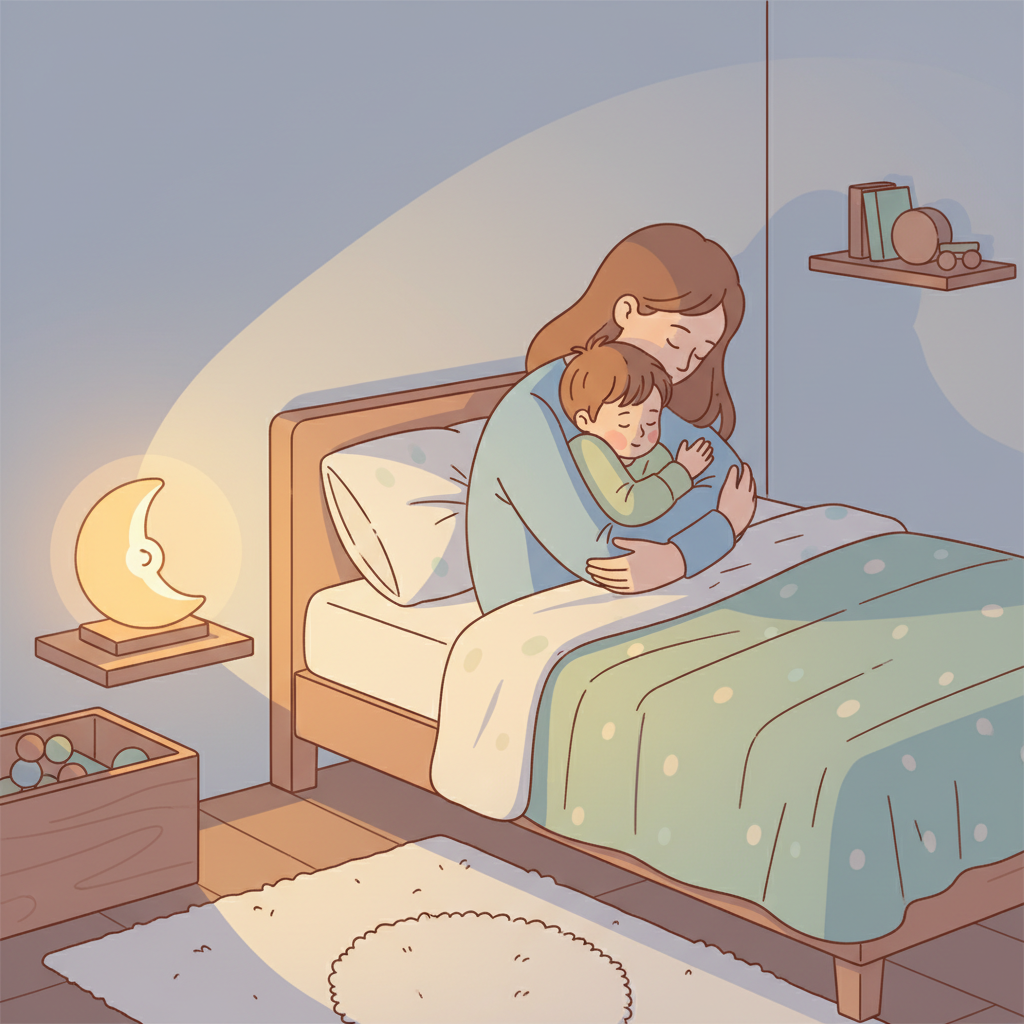
Toddler Scared of Dark? Navigating Those Midnight Monster Fears
It was 2:19 a.m. when Leo’s cries, a sound I knew meant more than just a dropped lovey, pierced the quiet. He was standing in his crib, his little face contorted with a fear I hadn't seen before. He was pointing at the corner, his voice a frantic whisper, “Monster, Mama!”
Suddenly, my usually sweet 2-year-old was terrified of the dark. And honestly? I had no clue what to do. If you're in this boat with me, you're wondering what to do when your 2-year-old wakes up scared of the dark. You're not alone, mama. This is real talk.
Why is My Little One Suddenly Seeing Spooks?
If you’re asking yourself, "Why is my 2-year-old suddenly afraid of the dark?", you're not alone. This phase often sneaks up on us. Around this age, toddlers’ imaginations are exploding. They’re learning about the world, and with that comes understanding concepts like "away" and "gone."
This burgeoning imagination, while amazing, can also lead to all sorts of new fears. The dark is a perfect canvas for those budding brains to paint their worries onto.
Catching the Clues: Signs Your Toddler is Afraid of the Dark
Sometimes, your toddler will tell you outright, like Leo did. But other times, the signs your toddler is afraid of the dark can be a little more subtle.
- Bedtime Resistance: Suddenly, bedtime becomes a battle. They might cry, cling, or find any excuse to delay going into their room.
- Waking in the Night: They start waking up more frequently, often crying out for you, sounding genuinely distressed.
- Fear of Shadows or Sounds: They might point to shadows and call them "monsters" or be startled by normal house noises amplified by the quiet of the night.
- New Night Wakes: If they were previously sleeping reasonably well and suddenly start having these scared wake-ups, it's a big clue.
- Clinginess: They might become more clingy during the day, which can be a sign of general anxiety, often stemming from nighttime fears too.
It’s tough to see them so scared, and it’s even tougher when you feel like you’re stumbling in the dark yourself, trying to figure out how to help.
Building a Sleep Sanctuary: Making Their Room a Haven
The goal here is to create a space that feels safe and comforting, not like a gateway to the unknown. This isn't about eliminating all darkness, but about creating a gentle, predictable environment.
Finding the "Just Right" Night Light
This is where the best night light for toddler scared of dark becomes your new quest. Forget harsh overhead lights or super bright night lights that can actually disrupt sleep.
- Soft Glow: Opt for a very dim, warm-toned light. Think sunset, not spotlight.
- Placement: Position it away from their direct line of sight in the crib or bed, perhaps across the room or near the door.
- Avoid Blue Light: Research suggests blue light can interfere with melatonin production, so stick to warm yellows and oranges.
- Consider a Dimmer: Some night lights have adjustable brightness, which is fantastic for finding that sweet spot.
Your goal is to cast away the deepest shadows without creating a new source of stimulation.
Taming the Spooky Shapes
Shadows and strange shapes are often the culprits during these wake-ups. A coat on a chair can magically transform into a lurking beast.
- Review the Room: Before you put them to bed, do a quick scan of their room together during daylight. Point out everyday objects that might cast shadows and explain what they are.
- "Shadow Puppets" Fun: During the day, play with shadows! Make shadow puppets on the wall. This can help demystify them and turn something potentially scary into a fun activity. Show them how their own hand makes a funny shadow.
By demystifying these visual elements, you can help shift their perception.
Comfort Objects: More Than Just a Stuffed Animal
Their favorite stuffed animal or blanket isn't just a toy; it's a security object. It’s a tangible piece of comfort they can hold onto.
- "Guardians": You can even give their comfort objects "job descriptions" like "sleepy guardian" or "bravery buddy." This gives them a role and empowers your child.
- Wash and Dry: Make sure their favorite comfort items are clean and accessible. A lost lovey can create a whole new midnight crisis.
- Introduce Early: If they don't have a special comfort object, consider introducing one during their daytime play.
These objects are powerful allies in helping little ones feel secure when you can't be there every second.
Midnight Marathons: How to Respond to Wakes
This is the moment of truth. Your little one is upset, and your instinct is to rush in. The key is to validate their feelings while gently guiding them back to sleep.
In the Moment: Validate, Don't Dismiss
When they cry out, approach them calmly. Your tone of voice is so important here.
Discover your baby's phase
- Acknowledge the Fear: Instead of saying "There's nothing to be scared of," try "I hear you’re scared. It’s dark, and sometimes the dark can feel a little spooky, can’t it?"
- Offer Physical Comfort: A gentle pat, a soft hug, or stroking their hair can go a long way. Keep it brief and soothing.
- Reassure Your Presence: Let them know you are there. "Mommy/Daddy is here. You are safe."
- Avoid Long Chats: Try not to engage in long conversations or let them bring you into elaborate stories about what they’re seeing. Keep it simple and focused on sleep.
The goal is to let them know you understand and are there for them, without making the night wake-up an exciting event.
Gentle Transitions Back to Sleep
The aim is to help them settle back into sleep independently, or with minimal intervention.
- The "Sleep Fairy": Some parents have success with the idea of a "sleep fairy" who sprinkles sleepy dust. For a 2-year-old, this might be too abstract, but the concept of a gentle, positive force for sleep can work.
- Gradual Retreat: If you’re sitting with them, try to gradually increase the time between your comfort interventions. You might sit by the bed, then at the door, then just outside the door.
- Darkness is Your Friend (Eventually): Remember, the goal is for them to feel secure in their own room, even with the lights mostly off. Turn the lights back on briefly only if absolutely necessary for a quick comfort check.
Patience is key. It takes time for them to re-learn how to settle.
The Bedtime Routine: Your Sleep Anchor
A consistent bedtime routine is probably the single most important tool in your arsenal. It signals to your toddler that sleep is coming and creates a predictable buffer against bedtime fears.
- Consistency is Crucial: Even on weekends. This means the same sequence of events every single night.
- Wind-Down Activities: Keep it calm and quiet. Think:
- Bath time
- Pajamas
- Brushing teeth
- Reading a couple of stories in their room with dim light
- A final snuggle and "goodnight" to toys
This predictable flow helps to calm their systems and prepare them for sleep. toddler-wakes-up-screaming-terrified-of-shadows
Daytime Adventures: Tackling Fears When the Sun is Up
These night struggles often have roots in daytime experiences. What you do during the day can significantly impact their nighttime fears.
Playing with Light and Dark
Make light and dark a fun, non-threatening concept during their waking hours.
- Flashlights: Let them explore with flashlights. Shine them on different objects, make fun shapes on the wall.
- Curtains: Open and close curtains together during the day. "Look, the sun is out! Now the room is dark because the cloud is here!"
- "Hide and Seek" with Toys: Hide a favorite toy in a dimly lit corner of a room and have them find it.
The more positive experiences they have with varying light levels, the less alien the dark will feel.
Brave Books and Storytelling
Books are powerful tools for conveying messages to young children.
- Stories About Bravery: Seek out books about characters who overcome their fears, especially fear of the dark. Read them together regularly.
- "Monster Spray": You can even make a "monster spray" from water in a squirt bottle. Decorate it together and have them spray it around their room before bed to "chase away" any pretend monsters.
These stories provide gentle lessons and reinforce the idea that bravery is possible.
Building Confidence and Coping Skills
A generally confident toddler is often a more secure toddler.
- Empowerment: Give them small choices throughout the day. Let them "help" with simple tasks. This builds their sense of control.
- Praise Effort: Focus on praising their effort and bravery, even in small things, like trying a new food or climbing the slide without help.
- Talk About Feelings: During the day, when they’re not scared, talk about feelings. "Are you feeling happy? Sad? Frustrated?"
The more secure and confident they feel during the day, the better equipped they’ll be to handle nighttime worries.
When to Reach Out: A Chat with Your Pediatrician
For most toddlers, this fear of the dark is a normal developmental phase that comes and goes. However, there are times when it's a good idea to chat with your pediatrician.
If the fear is extremely intense, is present during the day as well, or if it's significantly disrupting sleep for both of you for an extended period (weeks or months), it’s always wise to get a professional opinion. Your pediatrician can rule out any underlying issues, offer personalized advice, and provide reassurance that you're doing everything you can. [toddler-wakes-up-screaming-milk-solution]