Formula Recalled? Your 5-Step US Parent's Action Plan
Is baby formula recalled in your area? Get a clear, step-by-step guide for US parents on how to check, dispose, refund, and safely feed your baby.
Formula Recalled? Your Step-by-Step US Parent's Guide
Experiencing a baby formula recall can be incredibly stressful for any parent. When formula is recalled in your area, your priority is to ensure your baby is fed safely and adequately. Fortunately, in the US, clear steps are in place to help parents navigate these situations. This guide breaks down exactly what you need to know and do to protect your little one.
Formula Recalls: Don't Panic, Here's Your Action Plan
Formula recalls in the U.S. are implemented to protect infant health. They occur when a manufacturer identifies a potential problem that could pose a risk to babies, such as contamination, packaging errors, or nutritional inconsistencies.
Why US Formula Recalls Happen (Quick Overview)
The U.S. Food and Drug Administration (FDA) oversees infant formula safety. Common reasons for recalls include:
- Bacterial Contamination: A serious concern, as certain bacteria can cause severe illness in infants. The FDA's involvement is critical for public health.
- Allergen Cross-Contamination: If formula for a specific dietary need accidentally contains allergens, it can be dangerous for infants with allergies.
- Nutritional Deficiencies or Excesses: Formula must contain precise amounts of vitamins and minerals. Incorrect levels can impact a baby's growth and development.
- Packaging Defects: Issues like damaged cans or seals can compromise the formula's safety and shelf life.
The Importance of Staying Informed
When a recall is issued, staying informed is your first and most important defense. Official sources provide the most accurate, up-to-date information, helping you avoid misinformation and make informed decisions. You can also learn more about dealing with formula shortage anxiety while pregnant.
Is Your Baby's Formula Affected? Immediate Steps to Check
The most pressing concern is always whether the formula you have at home is part of the recall. The FDA provides guidance on how to identify affected products.
How to Identify Recalled Formula: Understanding Lot Numbers and Dates
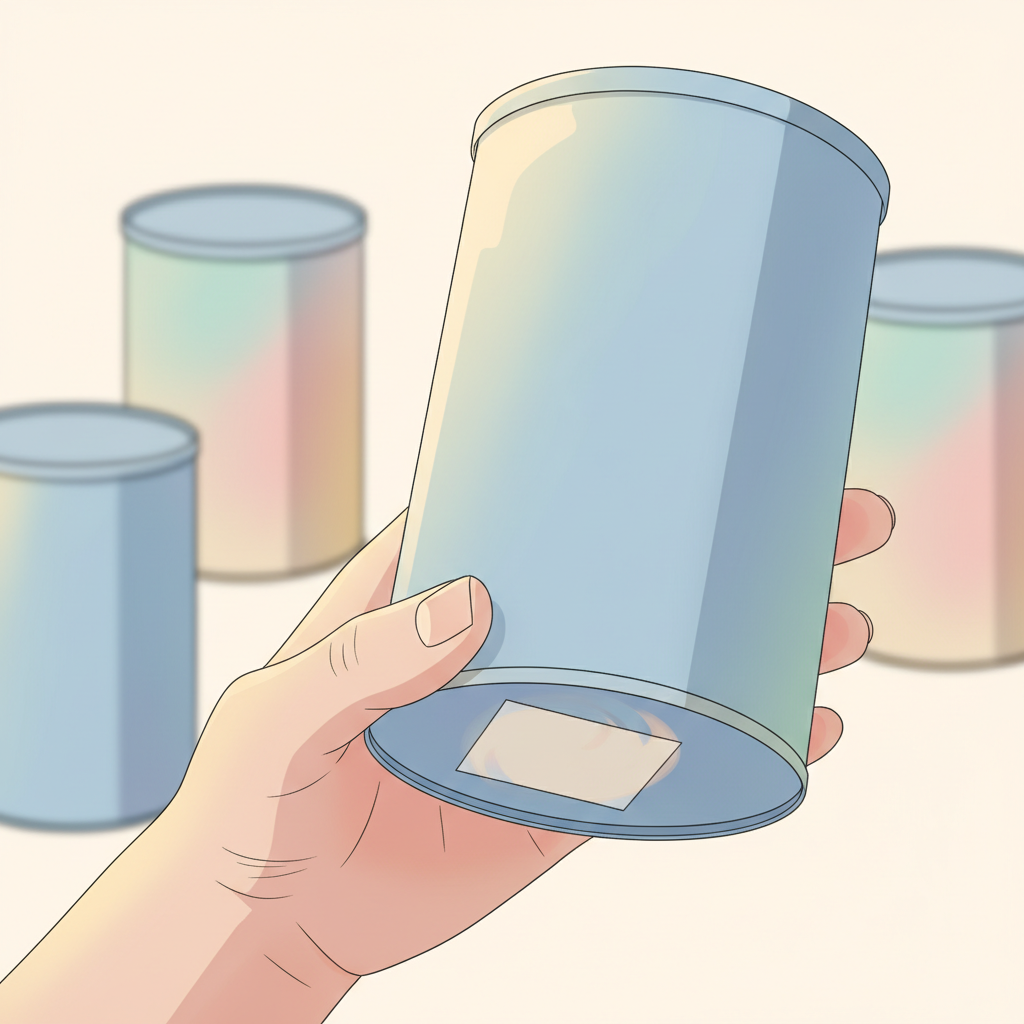
Recalled products are typically identified by specific lot codes and expiration dates. These are usually printed on the bottom or side of the formula container.
- Lot Code: A series of numbers and letters identifying a specific batch of formula produced.
- Expiration Date (or "Use By" Date): Indicates when the product is no longer guaranteed to be at its optimal quality.
You will need to compare the lot code and expiration date on your formula containers with the information provided in the official recall notice. This is the most crucial step to determine if your product is affected.
Where to Find Official Recall Information (FDA, Manufacturer Websites)
Official sources are your go-to for accurate recall information. These include:
- The U.S. Food and Drug Administration (FDA): The FDA maintains a public database of all recalled food products, including infant formula. You can find detailed information on their website under "Recalls and Safety Alerts."
- Manufacturer's Website: The company that produces the formula will typically issue its own press release or statement on its official website, often providing direct links to recall notices and instructions on how to proceed.
Checking these official sources regularly during a recall is highly recommended. Some companies also offer a baby formula recall list directly on their sites for easy reference.
What to Do with Recalled Baby Formula (And What NOT To Do)
Once you've confirmed your formula is part of a recall, it's essential to take the right steps and avoid any actions that could put your baby at risk.
Safely Disposing of or Returning Affected Formula
Guidelines for recalled baby formula vary slightly, but general advice from agencies like the FDA is to stop using the product immediately.
- Disposal: Do not donate recalled formula. It's generally recommended to dispose of it securely, perhaps by mixing it with an unappealing substance like coffee grounds or dirt, to prevent accidental consumption. Seal it in a bag before placing it in the trash.
- Return: Some manufacturers may offer a way to return the product, especially if it's unopened. Check the specific recall notice for instructions on whether to return it to the place of purchase or directly to the manufacturer.
Never attempt to salvage recalled formula. The risk is simply too high.
Discover your baby's phase
Can You Get a Refund for Recalled Baby Formula?
Yes, in most cases, you are eligible for a refund or replacement for recalled baby formula.
- Retailers: You can often return unopened, recalled product to the store for a full refund or exchange. Some stores may still offer a refund with proof of purchase, even if the product is already opened.
- Manufacturer: The manufacturer's recall notice will usually outline how to get a refund or voucher for recalled formula, even if it's already opened. This often involves providing proof of purchase or the lot number.
Keep your receipts if possible, as they can simplify the refund process, whether dealing with the retailer or the manufacturer. The goal is to ensure you are not financially penalized for a product that is no longer safe to use.
Feeding Your Baby After a Recall: Safe Alternatives
Finding a safe alternative formula is the next priority. This is where consulting with your pediatrician is paramount. You can also learn about the best formula options for reflux babies with silent reflux.
Temporary Swaps: What to Consider (and What to Avoid)
When switching formulas, even temporarily, careful consideration is needed.
- Similar Formulas: If possible, try to find a formula that is nutritionally similar to the recalled one. Look at ingredients and nutritional profiles, but understand that even slight variations can affect some babies.
- Avoid Homemade Formulas: The FDA and the American Academy of Pediatrics (AAP) strongly caution against homemade infant formulas. These can be dangerously low in essential nutrients or have unpredictable nutritional content, posing significant health risks to babies.
- Donor Milk: In some situations, and under guidance, using screened and pasteurized donor human milk from a milk bank might be an option. This is a decision best made in consultation with healthcare professionals.
The primary concern is ensuring your baby receives adequate nutrition without introducing new risks.
When to Talk to Your Pediatrician About Feeding Changes
Your pediatrician is your most valuable resource. They understand your baby's specific nutritional needs and health history.
- Discuss Alternatives: Always discuss any formula changes with your pediatrician. They can recommend safe, readily available alternatives and guide you through the transition.
- Monitor for Reactions: After switching to a new formula, watch your baby closely for any signs of digestive upset, such as increased gas, fussiness, constipation, or changes in stool. Report these to your pediatrician.
- Specialized Formulas: If your baby is on a specialized formula (e.g., for allergies or metabolic disorders), the recall process can be more complex. Your pediatrician will be essential in navigating these highly specific dietary needs.
The AAP emphasizes that consistent, appropriate nutrition is key to a baby's healthy development.
Navigating Future Recalls: Preparedness Tips for Parents
While no one wants to go through a formula recall, being prepared can reduce anxiety and ensure swift action.
Signing Up for Recall Alerts
Proactive measures can make a significant difference.
- Manufacturer Notifications: Many formula manufacturers have options on their websites to sign up for email or text alerts regarding product updates or recalls.
- FDA Alerts: You can subscribe to FDA safety alerts to receive notifications about recalls across various product categories, including infant formula.
- Retailer Communication: Some baby stores or online retailers may also have notification systems for recalled items purchased through their platforms.
Staying on top of these alerts means you'll be among the first to know if a recall impacts your family.
Building a Support Network During Stressful Times
Facing a formula recall can feel isolating. Connecting with others can provide emotional support and practical tips.
- Parenting Groups: Online or in-person parenting groups can be a place to share experiences and learn from other parents who have navigated similar situations.
- Pediatrician's Office: Don't hesitate to reach out to your pediatrician's office for reassurance or immediate questions. They are there to support you.
- National Support Organizations: Organizations focused on infant feeding or specific health conditions may offer resources or helplines.
Remember, you are not alone in this. Many parents have faced formula shortages and recalls, and resources are available to help.