When Does Doctor Recommend Vitamin D Drops for Breastfed Babies?
Learn why doctors recommend vitamin D drops for breastfed babies, the AAP guidelines, proper dosage, when to start, and when to potentially stop supplementation.
When to Give Vitamin D Drops to Breastfed Babies: A Guide
Your breastfed baby is a few days old, and your pediatrician has just recommended starting vitamin D drops. It can feel like another item on a long list of new parent responsibilities. You might wonder: Why is this specifically for breastfed babies? What's the right amount? And when can you stop?
As a mom who’s navigated this, and after years spent deciphering medical literature before motherhood, I know how much clarity can help. This isn't about adding stress; it's about understanding the science behind a common recommendation. The American Academy of Pediatrics (AAP) offers clear guidance on vitamin D for infants, and your doctor is simply helping you follow it.
The Building Blocks: Why Vitamin D Matters for Little Ones
Vitamin D is a nutrient that helps the body absorb calcium and phosphorus, minerals essential for building and maintaining strong bones. Without enough vitamin D, a baby's bones can become soft and weak, a condition known as rickets.
Beyond bone health, research suggests vitamin D plays a role in immune function and other bodily processes. For newborns, especially those relying solely on breast milk, ensuring adequate vitamin D is a proactive step for lifelong health.
This recommendation for vitamin D supplementation for breastfed infants isn't new; it's been a standard guideline for years, evolving as research solidified our understanding of infant nutritional needs. This proactive approach aims to prevent deficiencies before they can manifest.
Following the AAP: When Your Doctor Recommends Vitamin D Drops
The official recommendation from the American Academy of Pediatrics (AAP) is quite specific: all breastfed infants, including those born to mothers with adequate vitamin D levels, should receive a daily supplement of 400 international units (IU) of vitamin D.
This recommendation is part of standard well-baby care, which is why your doctor is likely bringing it up during your baby's early check-ups. It's a preventative measure, ensuring consistent intake regardless of how much vitamin D is actually transferred through breast milk.
What about breast milk and vitamin D levels?
Breast milk is indeed the ideal nutrition for infants. However, the amount of vitamin D transferred from mother to baby through breast milk is generally low and can vary significantly. Even if a breastfeeding mother takes vitamin D supplements, the amount that reaches her baby in the milk might not be enough to meet the recommended daily intake.
This is why the AAP's guidelines emphasize supplementation for the infant directly, rather than solely relying on the mother's intake.
Making it Effortless: Giving Your Baby Vitamin D Drops
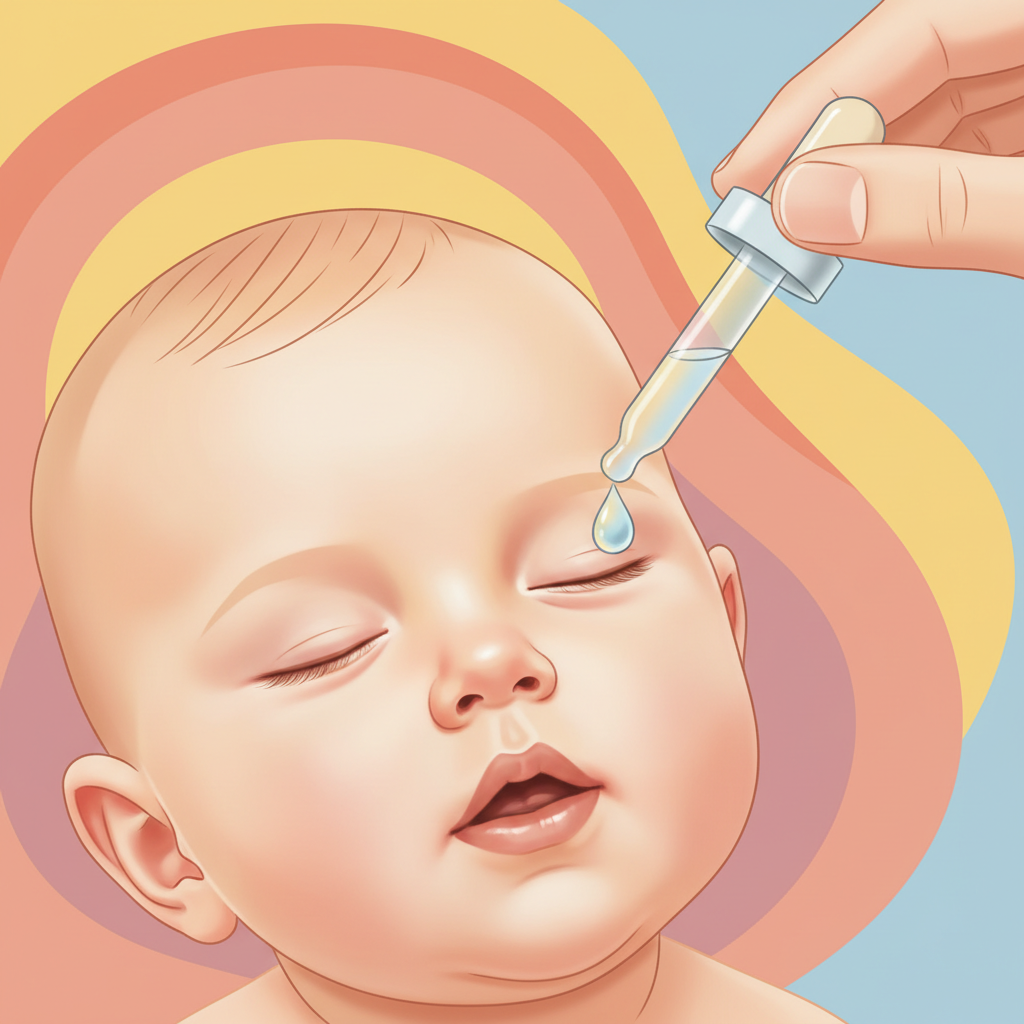
Integrating vitamin D drops into your baby’s routine is usually straightforward. The standard dose is 400 IU per day. Many pediatricians recommend using a dropper to administer the liquid directly into your baby's mouth.
Tips for daily dosage:
- Consistency is key: Try to give the drops at the same time each day to help it become a habit.
- Ease of administration: Some babies tolerate these drops well on their own. Others might prefer them mixed with a small amount of expressed breast milk or formula, though the AAP advises giving it separately to ensure the full dose is consumed before other liquids.
- Use the provided dropper: Always use the dropper that comes with the vitamin D supplement, as it's calibrated to deliver the correct dosage.
Morning or night: Does it matter?
For infants, the timing of vitamin D drops generally doesn't make a significant difference. The most important factor is to administer the daily dose consistently. Some parents prefer the morning to get it done, while others find it easier to remember at a feeding time closer to bedtime. Choose a time that works best for your family's schedule.
Discover your baby's phase
What if you forget a dose?
If you miss a dose, don't panic. The goal is consistent daily intake, but occasional missed doses are usually not a cause for concern. Per the guidelines, you can simply give the missed dose when you remember, or just resume the normal schedule. Avoid doubling up on doses.
Vitamin D for Mixed-Fed and Formula-Fed Infants
The primary recommendation for 400 IU of vitamin D daily is specifically for breastfed infants or those receiving less than 17-34 ounces of formula per day. This is because standard infant formulas are already fortified with vitamin D.
When supplementation isn't needed:
If your baby is consistently consuming a sufficient amount of vitamin D-fortified formula (typically at least 34 ounces per day), they are likely already getting enough vitamin D from their formula. In such cases, additional supplementation from drops may not be necessary.
Understanding formula's role:
Formula manufacturers add vitamin D to their products to meet the nutritional needs of infants. The fortification levels are designed to provide adequate vitamin D for babies who are exclusively formula-fed or receiving a significant amount of formula alongside breastfeeding.
Looking Ahead: When to Stop Vitamin D Drops
The recommendation for 400 IU of vitamin D daily is for the first year of life. However, the need for supplementation can extend beyond infancy, depending on dietary intake.
Continuing past 6 months:
For breastfed babies, the recommendation to continue 400 IU of vitamin D daily continues through their first year. If the baby is introduced to solid foods during this period, it's important to consider how much vitamin D they are getting from those solids and fortified foods, such as [easy-iron-rich-vegetarian-blw-recipes-1-year-olds].
What about after 1 year?
Once your child turns one and begins consuming a variety of solid foods, including fortified milk or other fortified foods, the need for vitamin D drops may change. The AAP suggests that children consuming at least 17 ounces of vitamin D-fortified milk or its equivalent daily may not need separate vitamin D supplementation.
However, if your child continues to be breastfed exclusively or consumes limited amounts of fortified foods, the pediatrician might recommend continuing the vitamin D supplement beyond the first year. They will assess your child's overall diet and milk intake.
Your Pediatrician: The Best Source for Personalized Advice
While the AAP provides widely accepted guidelines, every child is unique. Your pediatrician is your most valuable resource for understanding what’s best for your baby.
Personalized advice for your baby: