Nesting Instinct: When It Starts & How to Manage It
Discover when the nesting instinct typically begins during pregnancy and learn practical tips to safely and productively manage this powerful urge.
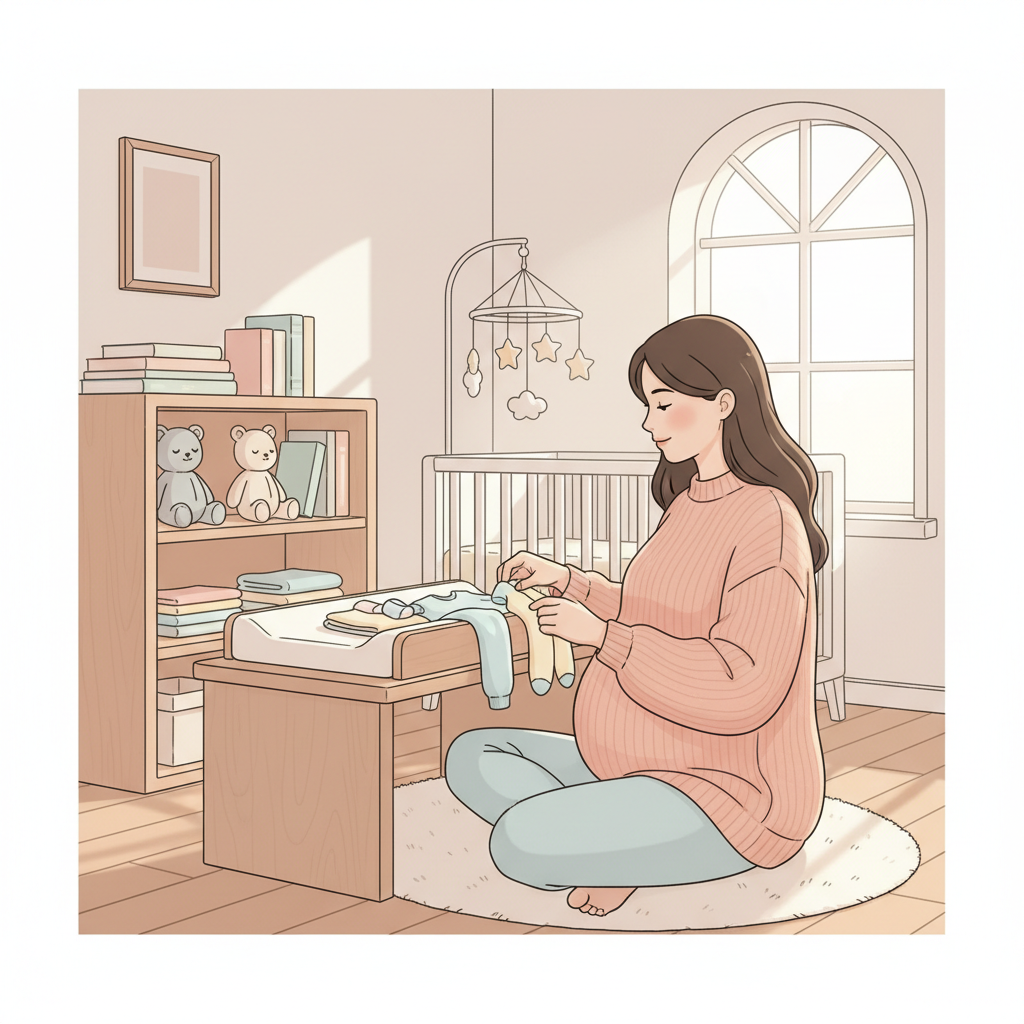
Your Powerful Nesting Instinct: When It Starts & How to Manage
It's completely normal to wonder about the nesting instinct during pregnancy – that sudden, overwhelming urge to clean, organize, and prepare your home for your baby's arrival. Many of us have heard stories or experienced this surge of energy. It's a powerful, primal drive that can feel both exciting and a little confusing. This article will explore when the nesting instinct typically starts and how to manage it in a way that supports you and your growing family.
What Exactly is This "Nesting" We're Talking About?
The nesting instinct is a fascinating phenomenon during pregnancy. It’s often described as a burst of focused energy, a desire to create a safe, clean, and organized space for your baby before they arrive. Think of it like a bird meticulously preparing its nest – you might find yourself suddenly compelled to scrub baseboards, arrange the nursery furniture just so, or deep-clean parts of your home you haven't touched in years.
Why Does This Urge Appear?
The exact triggers for nesting behavior aren't fully understood, but many believe it's a combination of hormonal shifts and evolutionary programming. As your body moves towards the incredible milestone of birth, these internal changes can manifest as a powerful need to prepare your external environment. It’s your body and mind intuitively preparing for a significant life transition, signaling a desire for order and control in the face of a major life event.
Can You Just Let Nesting Go?
Absolutely. While the urge to nest can be strong, it’s not a requirement for a healthy pregnancy or a well-prepared baby. Your well-being, both physical and mental, takes precedence. If the nesting urge doesn't strike, or if it feels overwhelming and unhelpful, it is perfectly okay to let it pass. Your intuition will guide you on what you need.
When Does the Nesting Urge Typically Start?
The "typical" timeline for the nesting instinct can vary greatly from person to person and even from pregnancy to pregnancy. Many report experiencing it most intensely in the final weeks of pregnancy, often somewhere between 37 and 40 weeks, but it can certainly appear earlier or later.
Is it Different for First-Time Parents?
Some parents report that the nesting instinct feels more pronounced in their first pregnancy. This could be because it’s entirely new territory, and there’s a greater sense of the unknown, leading to a stronger desire to create tangible order. However, many seasoned parents also experience a powerful nesting urge with subsequent babies, perhaps needing to re-organize existing spaces or prepare for a new addition in a different family dynamic. There's no rulebook here; trust your own experience.
How Early is "Too Early" for Nesting?
There's no such thing as "too early" when it comes to preparing your home. If you feel the urge to organize or clean at 28, 30, or 32 weeks, embrace it! The key is to listen to your body. If the nesting energy is manageable and feels good, then by all means, enjoy it. If it starts to feel like pressure or leads to exhaustion, it's a sign to pace yourself.
Is Nesting at 32 Weeks Normal?
Discover your baby's phase
Yes, nesting at 32 weeks is absolutely normal for many. Pregnancy is a journey of many stages, and the nesting instinct can make an appearance at various points in the third trimester. Some individuals find themselves nesting earlier in the third trimester, while others experience it only in the very final days or even after the baby has arrived. It's all part of the beautiful, often unpredictable, journey. This is also around the time your 36-week prenatal appointment becomes important.
Channeling Your Inner Nesting Mama Safely and Productively
When that nesting urge hits, it can feel like you have a superpower! The trick is to harness that energy in ways that are genuinely helpful and don't leave you depleted.
- Prioritize Tasks: Not everything needs to be done immediately or by you alone. Make a list, but then look at it with fresh eyes. What are the must-dos versus the nice-to-dos? Focusing on the baby's immediate needs (a safe place to sleep, clean clothes, diapers) is often more important than deep-cleaning the garage.
- Delegate and Ask for Help: This is crucial. You are not meant to do this all by yourself. Lean on your partner, family, and friends. If someone asks, "What can I do?" have a list ready. It could be grocery shopping, doing laundry, cooking meals, or simply helping you rearrange furniture. Accepting help is a sign of strength, not weakness. This is also why understanding how much life insurance for a stay-at-home parent you might need is important for your family's overall security.
- Set Boundaries: This might be the hardest part, but it's vital. You might need to say "no" to additional commitments, set limits on how much visitors can do (or expect from you), and most importantly, know when to stop the nesting activities for the day. Your body is still carrying a baby and needs rest. Effectively communicating your needs, especially regarding childcare and discipline, is key whether you're working remotely or not. Consider how to communicate discipline styles to your nanny or other caregivers.
Beyond the Cleaning: The Emotional Side of Nesting
Nesting is more than just physical preparation; it’s also an emotional and mental process. This urge can be an intuitive way of preparing yourself for the profound shift into motherhood.
Connecting with Your Baby Before Birth
The act of preparing a space for your baby can be a deeply bonding experience. Arranging their tiny clothes, setting up their crib, or decorating their room allows you to imagine them in your world. This "doing" can translate into a feeling of greater connection and readiness. It’s a tangible way to express your love and anticipation for the smallest member of your family. Parents often prepare for the baby's arrival by getting things like car seats, and best baseless infant car seats for small cars are a great option for saving space.
Preparing Your Mental Space for Motherhood
Alongside the physical preparations, nesting can also involve mental and emotional organization. You might find yourself reflecting on your birth plan, thinking about your support system, or even starting to visualize your new life with a baby. This internal work is just as important as outer tidying. It’s about building mental resilience and acknowledging the incredible transformation ahead. If you're considering using an HSA for unexpected baby expenses, planning ahead can also ease financial stress.
Nesting Near Term: Is it a Sign of Labor?
Many people associate the nesting instinct strongly with the days leading up to labor. While it's not a definitive sign that labor is imminent for everyone, it often occurs in the final weeks and can indeed be a precursor to birth.
Nesting Pregnancy: How Long Before Labor?
This is the million-dollar question! The timeline is incredibly variable. For some, the nesting urge might appear a few days before their water breaks or contractions begin in earnest. For others, it might manifest a week or two prior, or even be a burst of energy they have experienced intermittently throughout the third trimester. It’s important to remember that nesting is not a precise countdown to labor. Use it as a signal to ensure your essential preparations are complete and that you are well-rested and supported. When you feel ready and have completed your most pressing nesting tasks, it’s also a good time to communicate with your care provider about your birth plan and any lingering questions. Make sure you've also considered things like potential income impacts, and how FMLA extension for postpartum needs might be relevant.
This incredible urge to prepare is a testament to your body's innate wisdom. Honor the energy it brings, but always prioritize your rest and well-being above all else. This journey is uniquely yours, and you are more than capable of navigating it. Make the choices that feel right for your body and your family.