When to Pull Child From Daycare: Red Flags & Decision Guide
Is your child in a poor quality daycare? Learn how to recognize red flags, evaluate care, and decide when it's time to pull your child to find a better fit.
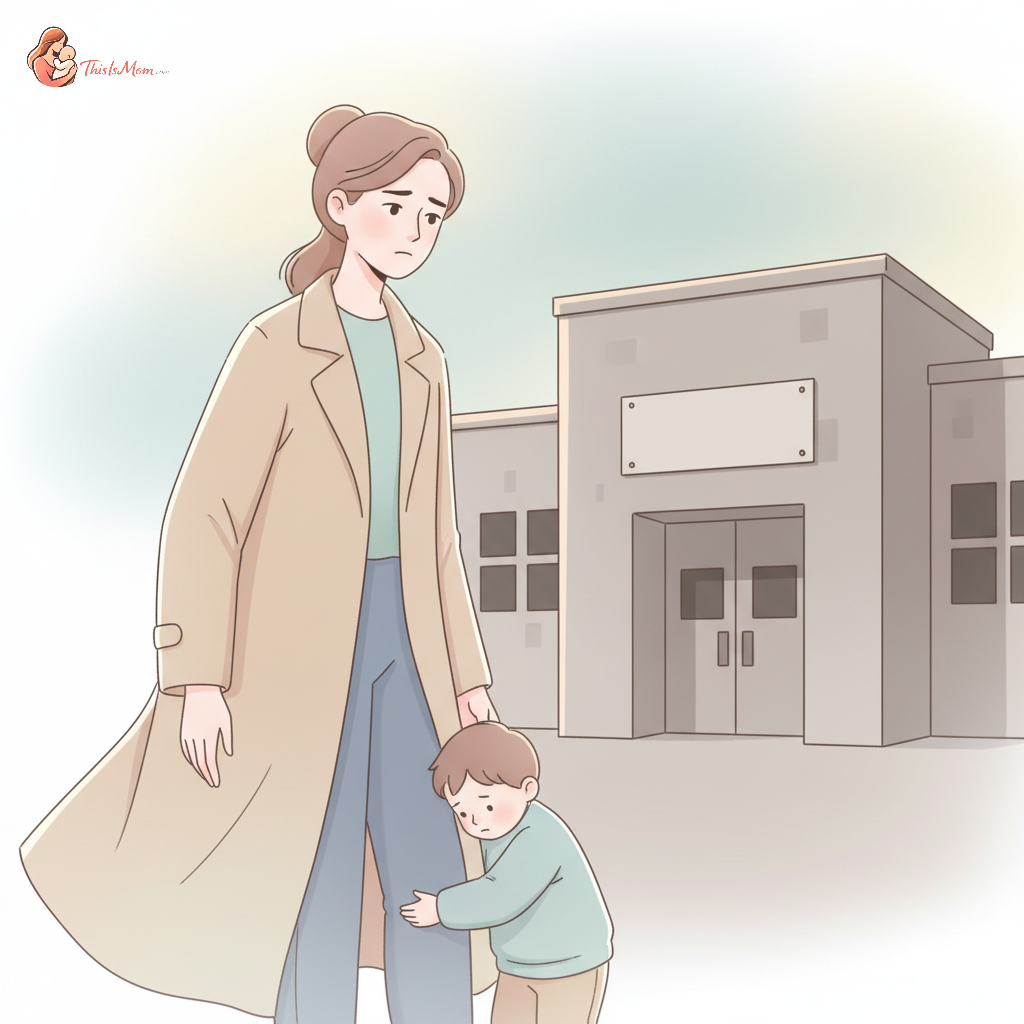
Deciding When to Pull Your Child From a Subpar Daycare
Your child spends a significant part of their day in daycare, making it more than just a facility; it's a crucial environment for their social, emotional, and cognitive development. When questions arise about the quality of care, the decision to pull your child is rarely straightforward. It's a decision laden with practical considerations, logistical challenges, and, most importantly, a deep-seated concern for your child's well-being. The thought of disrupting their routine can feel overwhelming, leading many parents to second-guess their instincts.
This often stems from a place of self-doubt. Are you being overly sensitive? Are these just normal challenges of group care? The guilt of not being the one providing care during working hours can amplify these worries. However, trusting your gut feeling is a vital first step in determining when to pull your child from a poor quality daycare. Recognizing and addressing these concerns is paramount for ensuring your child thrives.
Recognizing the Signs: What to Watch For in Daycare
When you're assessing a daycare, look beyond the surface. Research suggests that observant parents often pick up on subtle cues that something might be amiss. Understanding what constitutes a red flag is your first line of defense.
What are Red Flags in a Daycare?
Red flags are those persistent indicators that suggest a daycare might not be meeting your child's needs or essential safety standards. They can manifest in various ways, often signaling underlying issues that require attention.
One of the most significant indicators is your child's behavior and emotional state. Are they consistently distressed upon drop-off or pick-up? Do they exhibit new anxieties, such as clinginess, nightmares, or regression in toileting or sleep habits? A child who was once happy to go to daycare may start resisting or expressing a strong dislike. The American Academy of Pediatrics (AAP) emphasizes that significant changes in a child's typical behavior warrant a closer look at their daily environment.
Communication breakdowns with the staff can also be a significant red flag. Are teachers evasive when you ask about your child's day? Do they seem unwilling or unable to provide specifics about your child's activities, interactions, or challenges? Consistent lack of transparency or dismissive responses can hinder your ability to understand your child's experience. What to Do When Daycare Calls Constantly About Minor Issues may offer some guidance.
High staff turnover can be another concern. While some turnover is normal, a constantly changing roster of caregivers may indicate a stressful or unsupportive work environment, which can impact the consistency and quality of care your child receives. It can also lead to less experienced staff, potentially increasing the risk of neglect or inconsistent discipline.
Safety and hygiene shortcomings are critical. Are toys consistently clean and age-appropriate? Is the facility well-maintained and free from hazards? Are hand-washing protocols visibly followed by staff, especially before meals or after diaper changes? The Centers for Disease Control and Prevention (CDC) provides guidelines on hygiene in group settings that all reputable daycares should adhere to. Learn more about CDC Daycare Illness Exclusion: Reasonable Time Guidelines.
Evaluating Quality: A Parent's Practical Checklist
Trusting your intuition is important, but it needs to be balanced with an objective assessment. Observing daily operations and how to evaluate daycare settings can provide concrete evidence to support or assuage your concerns.
Key Areas to Observe
When you visit or observe during drop-off and pick-up, focus on a few critical areas. Notice the interactions between staff and children. Are they warm, engaged, and responsive? Do caregivers get down to the children's level and speak to them respectfully? Pay attention to the overall environment: Is it stimulating, safe, and clean? Are there clear routines and age-appropriate activities?
Understanding Licensing and Accreditation
A crucial step in evaluating quality is understanding licensing and accreditation. In the US, daycare centers must meet state licensing requirements, which set minimum standards for health, safety, and staffing. Accreditation, often through organizations like the National Association for the Education of Young Children (NAEYC), goes above and beyond these minimums, indicating a commitment to higher standards of early childhood education. Researching if a daycare holds accreditation can be a helpful indicator of its quality.
Developmental Guidelines and Your Child
Discover your baby's phase
Understanding developmental milestones can help you assess if the daycare environment supports your child's growth. For instance, the "3-3-3 rule" is a common, though informal, guideline used by some professionals to gauge a child's adjustment to a new environment. It suggests that within roughly three days, a child will begin to feel a bit more comfortable; within three weeks, they will start to feel more settled and understand routines; and within three months, they will begin to feel at home and truly integrate. While not a clinical diagnostic tool, it highlights that some initial adjustment is expected, but prolonged distress is a signal. The AAP also publishes extensive resources on child development that can help you gauge age-appropriate expectations for social interaction, emotional regulation, and learning.
Asking the Right Questions
Don't hesitate to ask direct questions. Inquire about staff-to-child ratios, caregiver training and qualifications, emergency procedures, and how they handle discipline, illness, and parent communication. A quality daycare will have clear, well-articulated answers to these important questions. It is also wise to ask about questions to ask about daycare's emergency preparedness plan.
Navigating the Decision: When is it Time to Pull Your Child?
The decision to transition your child to a new daycare is a significant one, impacting your family's logistics, finances, and your child's emotional landscape. Weighing the pros and cons carefully is essential.
Weighing the Impact
Consider the potential negative impact of staying in a less-than-ideal environment against the disruption of moving. If the red flags in a daycare are persistent and concerning, the long-term effects on your child's sense of security, self-esteem, and social-emotional development can outweigh the short-term difficulty of a transition. Research on early childhood experiences underscores the importance of nurturing and safe environments for optimal development. If you are considering a nanny as an alternative, ensure you ask the right questions to the agency about questions to ask nanny agency about background checks.
When Immediate Action is Necessary
There are certain situations that warrant immediate action. If you witness or have strong evidence of abuse, neglect, or serious safety violations, your child's well-being is at immediate risk. In such cases, your priority must be to remove your child from the situation and report your concerns to the appropriate authorities, such as your state's child protective services or licensing agency.
Making the Transition: Finding a Better Fit
Once you've made the difficult decision, the focus shifts to finding a childcare option that better meets your child's needs and your family's expectations.
Searching for New Options
Begin your search by asking for recommendations from trusted friends, family, or local parent groups. Research licensed facilities in your area and look for those with strong reputations and positive reviews. Consider different childcare options, such as in-home daycares, small group centers, or part-time programs if a full-time transition seems too overwhelming initially. A child care quality checklist can be a valuable tool as you tour potential new facilities.
Smoothing the Transition
Acknowledge that this will be a transition for your child. Prepare them by talking about the new daycare in a positive light, emphasizing the fun activities and new_daycare drop off new friends they will make. Continue to communicate openly with their new caregivers and establish a consistent routine. If separation anxiety is a concern, Supporting Toddler Separation Anxiety during Daycare Drop-offs can provide useful strategies. Reassurance and consistency are key during this adjustment period.
Understanding Exclusion Policies
Familiarize yourself with the policies of potential new daycares regarding child exclusion. Most reputable programs have guidelines in place, often citing health or behavioral reasons. For example, while not universal, some programs might have policies related to the "three reasons to exclude a child from a program," which often include specific contagious illnesses, behavior that poses a danger to themselves or others, or significant and unaddressed developmental or emotional needs that the program is not equipped to handle. Understanding these policies can help you choose a program that is a good fit for your child's needs.
Choosing the right childcare is one of the most important decisions a parent makes. It involves a careful balance of observation, trust, and research. If your current daycare is consistently falling short, trust that taking action to find a better environment is a sign of your commitment to your child's happiness and healthy development.