When Do Toddlers Understand Simple Commands? A Parent's Guide
Discover when toddlers typically start understanding simple commands. Learn key milestones, tips to encourage comprehension, and when to consult a pediatrician.
When Do Toddlers Understand Simple Commands? A Parent's Guide
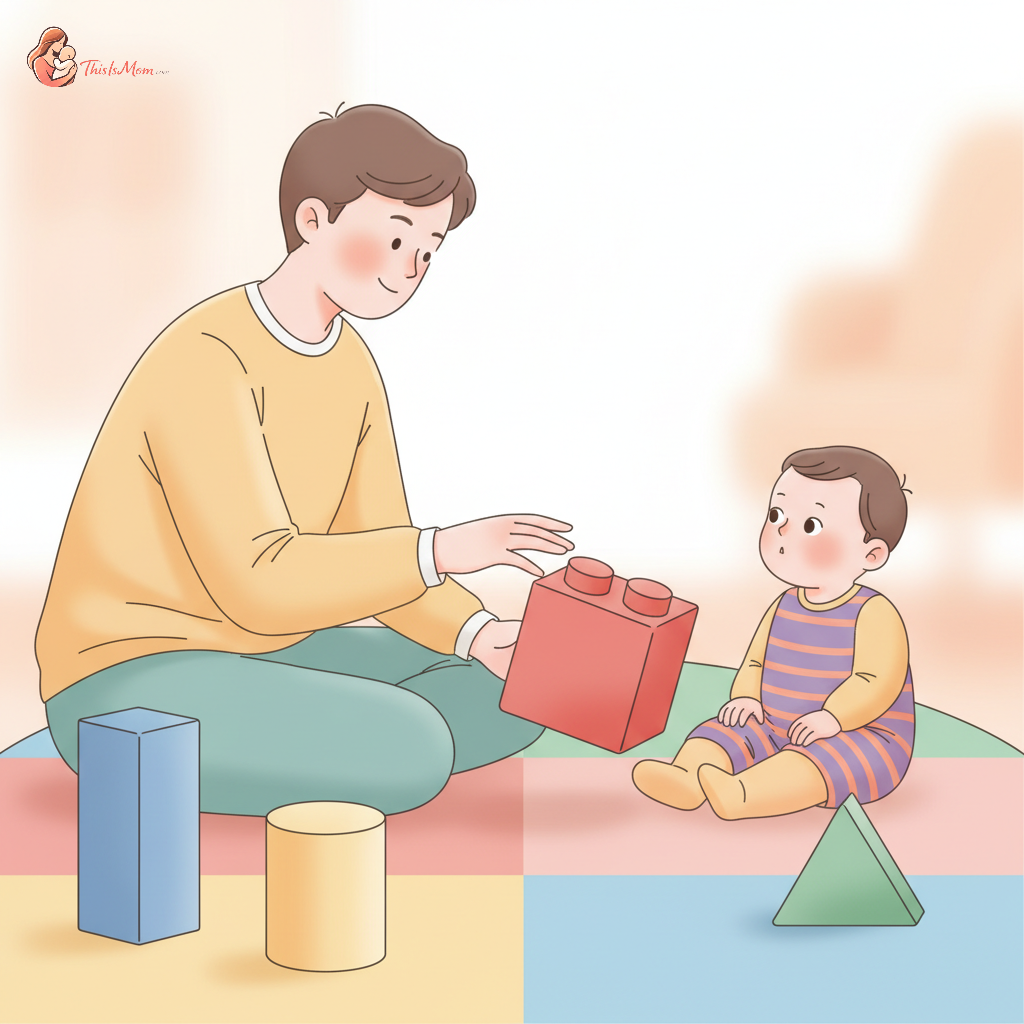
Your toddler is looking right at you. You say, "Please give Mommy the blue block," and... crickets. Or maybe they just toddle off to play with something else. It's a common parenting moment, but it brings up a key question: when do toddlers understand simple commands? Understanding what your child can and cannot comprehend is crucial for communication and development.
This isn't about perfect obedience; it's about a significant communication milestone. As parents, we often rely on our children to follow directions, whether for safety, routine, or just tidying up. But toddlers are still developing their language and comprehension skills, and their ability to process and act on instructions evolves over time.
What 'Understanding Commands' Really Means
When we talk about a toddler understanding commands, it’s more than just whether they "do what they're told." It involves a complex interplay of receptive language (what they understand) and expressive language (what they can say).
Receptive language is the foundation. It's the ability to take in spoken words and understand their meaning. This develops significantly before a child can clearly articulate their own thoughts and needs. Think about how babies understand "mama" or "dada" long before they can say the words themselves.
Commands can range from very simple to quite complex. A one-step command is a single instruction, like "Sit down." A two-step command requires them to process and remember two separate actions, such as "Get your shoes and bring them to me." The progression from understanding one to two-step commands is a key marker of cognitive and language development. Mastering these communication skills is vital. It allows toddlers to navigate their environment more safely, participate in daily routines, build relationships, and express their own needs. It’s a building block for everything from potty training to school readiness.
Toddler Talk: When to Expect Understanding
The journey of understanding commands is gradual, with clear milestones to look for. These are general timelines, and individual children will progress at their own pace.
- Around 12-18 months: Many toddlers begin to understand and respond to very simple, familiar commands, especially when paired with gestures. Think "Come here" or "Wave bye-bye." They might also start to understand their own name when called.
- Around 18-24 months: As their vocabulary expands, toddlers typically become better at following more familiar one-step commands even without explicit gestures. Examples include "Bring me the ball" or "Give me the toy." They are starting to connect words with objects and actions.
- Around 24-30 months: This is often when you'll see the emergence of understanding two-step commands, but typically with visual cues or context. For instance, if you point to a toy and then to a basket, they might be able to follow "Pick up the toy and put it in the basket."
- Around 30-36 months: By this age, many toddlers can follow two-step commands without needing constant visual prompts. They can also start to understand prepositions, like "Put the block on the table" or "Get the teddy bear under the chair."
Remember, these are averages. Some children may hit these milestones earlier, and others a bit later. What's important is the general upward trend in comprehension.
How to Encourage Your Toddler's Command Comprehension
Supporting your toddler's ability to understand and follow directions is an ongoing process, and there are many enjoyable ways to foster this skill.
- Keep it simple: When you're starting, focus on one instruction at a time. Avoid a string of commands. If you need them to do multiple things, break them down into individual steps.
Discover your baby's phase
- Use gestures and visual cues: For younger toddlers, or when introducing a new command, pair your words with actions. Pointing, demonstrating, or using facial expressions can make the instruction much clearer.
- Make it a game: Turn following directions into a fun activity. You can play "Simon Says," have a "clean-up race," or ask them to "deliver" a specific toy to another person. Playfulness makes learning engaging.
- Positive reinforcement: When your toddler successfully follows a command, offer praise and encouragement. A simple "Good job!" or a high-five can go a long way. This positive association reinforces the behavior.
- Reading and talking: The broader your child's language exposure, the better their comprehension will become. Read books together, talk about what's happening in the story, and narrate your day. The more words they hear and understand in context, the more they'll be able to process instructions.
Common Reasons Toddlers Might Not Follow Commands
It's easy to feel frustrated when your toddler seems to ignore you, but there are many normal reasons for this behavior that don't signal a problem.
- Testing boundaries: Toddlers are exploring their independence. Sometimes, not following a command is less about not understanding and more about asserting their will. This is a normal part of development.
- Distraction: Their world is full of fascinating things! They might be so engrossed in play or a new discovery that they simply didn't register your request.
- Hearing check: While not always the case, it’s worth ensuring their hearing is clear. Loud environments, ear infections, or just being turned away can impact their ability to hear and process spoken words. It’s important for parents to be aware of potential issues and seek professional advice if needed.
- Overwhelm: If you give too many instructions at once, or if the command is too abstract, they might shut down or appear to ignore you. A toddler's working memory is still developing.
- Personality: Some children are naturally more spirited or independent. They might require more encouragement or a different approach than a more compliant child.
When to Talk to Your Pediatrician: Understanding Command Delays
While many instances of not following directions are normal developmental phases, there are times when it's wise to seek professional guidance. Your pediatrician is your best resource for understanding your child's specific developmental trajectory.
The Centers for Disease Control and Prevention (CDC) and the American Academy of Pediatrics (AAP) provide guidelines for developmental milestones. You should consider talking to your pediatrician if you observe any of the following:
- Consistent lack of response to their name or simple instructions by 12-15 months.
- No babbling or attempting to imitate sounds by 12 months.
- No use of single words by 18 months.
- No use of two-word phrases by 24 months.
- Significant regression in language or social skills at any age.
- A persistent and concerning pattern of not following directions, especially when combined with other language or social delays.
Trusting your gut is also important. If you have a persistent feeling that something isn't quite right with your child's development, it's always a good idea to bring it up with your pediatrician. They can conduct evaluations and offer reassurance or recommend further steps if necessary.