Winter Car Seat Cover Safe with Anti-Rebound Bar: Top Picks
Find safe winter car seat covers compatible with anti-rebound bars. Get expert tips on choosing covers that keep baby warm without compromising car seat safety.
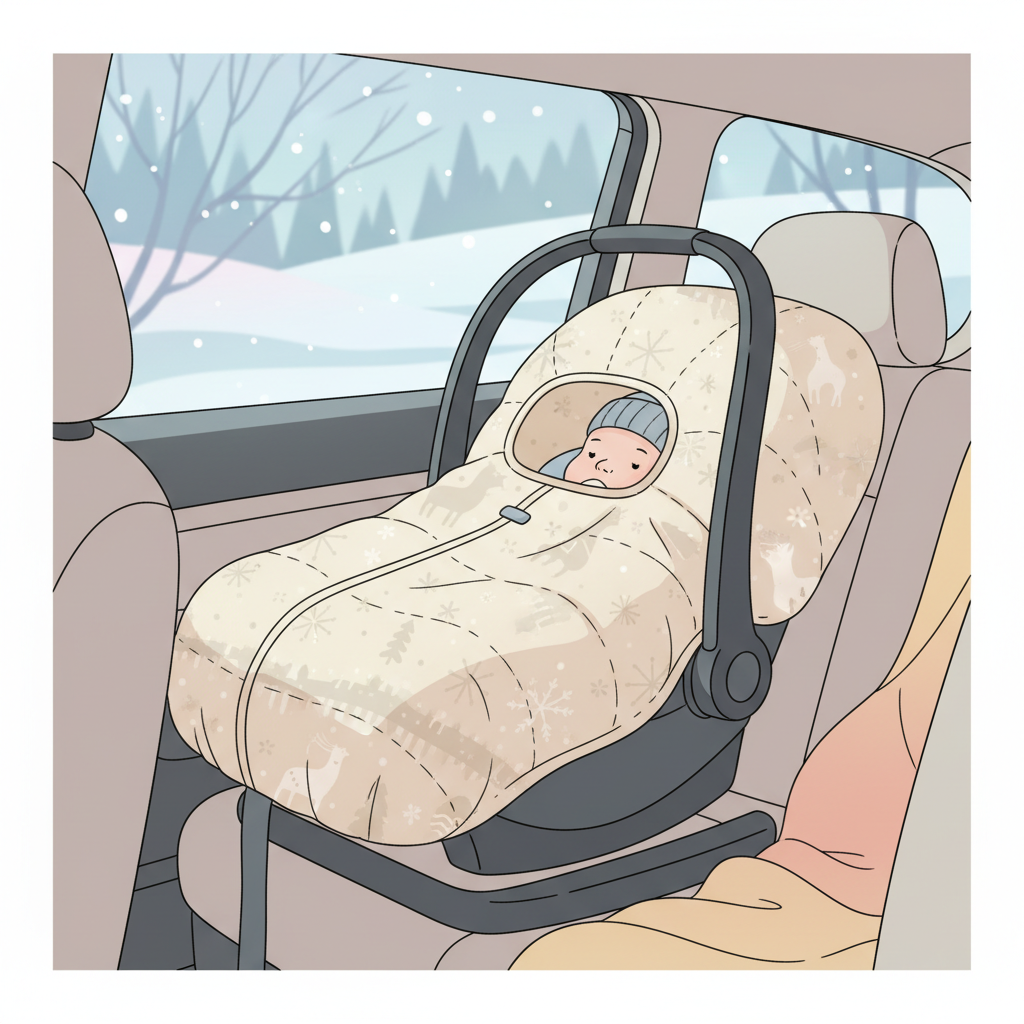
Winter Car Seat Covers: Warmth & Safety with an Anti-Rebound Bar
In just 5 minutes, you'll discover exactly which winter car seat covers to buy and, crucially, which to avoid. As a mom of twins and a former management consultant, I've sifted through the options, focusing on a critical safety feature many parents overlook: compatibility with anti-rebound bars and adherence to AAP safety standards. The goal is simple: keep your baby warm and secure, no exceptions. This guide will help you find a winter car seat cover that is safe with an anti-rebound bar, ensuring peace of mind during cold weather months.
Decoding Car Seat Covers: Warmth is Great, Safety is Non-Negotiable
Let's be clear: winter car seat covers are popular for a reason. They promise to keep our little ones toasty when temperatures plummet. But before you click "add to cart," we must discuss safety. The American Academy of Pediatrics (AAP) has clear guidelines, and many aftermarket accessories can interfere with your car seat's primary job: protecting your child.
Are Winter Car Seat Covers Safe? What the AAP Says
The AAP strongly advises against using any car seat accessories that aren't specifically approved by the car seat manufacturer. This mainly applies to items that alter how the harness system functions or add bulk between the child and the car seat.
- Harness Interference: Anything that prevents the harness straps from lying flat against your child's body is a major red flag. This includes bulky padding or covers that go under the child or straps.
- Compromised Restraint: The car seat is designed with specific materials and spacing to protect your child in a crash. Adding aftermarket items can compromise this engineering.
The Real Dangers of Bulky Car Seat Accessories
Consider what happens in a crash. The harness straps are meant to distribute force across your child's body. If there's a thick, puffy coat or a poorly fitted cover underneath, it creates slack. This slack means the straps don't tighten properly, and your child can shift too far forward before the car seat can do its job. This is exactly what we're trying to prevent.
- Increased Risk of Injury: With too much slack, the child is more likely to move excessively during impact, leading to potential injuries.
- Voided Warranties: Many car seat manufacturers will void their warranty if you use unapproved accessories.
The Anti-Rebound Bar: A Critical Safety Component
Now, let's explore the anti-rebound bar. This isn't just another part; it's a significant safety feature, especially in rear-facing car seats. Understanding its function is key to choosing the right accessories.
What is an Anti-Rebound Bar?
An anti-rebound bar is a bar at the base of a rear-facing car seat designed to limit the seat's rotation backward during a collision or sudden stop. It essentially braces against the vehicle's seat back.
- Reduces Forward Rotation: In a crash, a rear-facing seat pivots forward but can also rebound backward into the vehicle seat. The anti-rebound bar minimizes this backward rotation, keeping the child contained within the car seat's protective shell.
- Enhanced Stability: It provides added stability to the car seat installation, making it less likely to shift or move excessively.
Does a Car Seat Need an Anti-Rebound Bar?
While not every car seat has one, it's a feature that offers enhanced protection for rear-facing infants and toddlers. If your car seat is equipped with one, you must consider how any cover might interact with it.
- Integrated vs. Add-on: Some anti-rebound bars are built into the car seat base. Others might be an accessory you can purchase for certain models.
- Crucial for Rear-Facing: The AAP recommends rear-facing until at least age two, or until the child reaches the maximum height or weight limit for their seat. This extended rear-facing period makes features like anti-rebound bars particularly valuable.
Anti-Rebound Bar Pros and Cons: Enhanced Protection
The primary pro of an anti-rebound bar is clear safety enhancement. It adds a crucial layer of protection by stabilizing the car seat.
- Pros:
- Significantly reduces rebound motion in a crash.
- Improves overall car seat stability.
- Keeps the child better contained within the car seat shell.
- Cons:
- Can add a bit of weight and bulk to the car seat base.
- Requires careful consideration for accessory compatibility.
This last con is where we get to the crux of this article: finding a cover that works with this safety feature, not against it.
Finding Your Winter Car Seat Cover Safe with an Anti-Rebound Bar
The phrase "winter car seat cover safe with anti-rebound bar" might sound specific, but it highlights the need for careful selection. You need a cover that provides warmth without compromising the car seat's structural integrity or the anti-rebound bar's function.
Discover your baby's phase
What to Look For: Harness Compatibility and Proper Fit
This is non-negotiable. Any cover you consider must allow the harness straps to lie perfectly flat against your child's clothing. The cover should not interfere with the buckle or the chest clip.
- Harness Slot Access: Ensure the cover has clear openings for the harness straps at the correct height for your child.
- No Underneath Placement: Never place a cover, blanket, or any accessory under your child or under the harness straps. The cover should only be on the outside.
- Snug, Not Tight: The cover itself should fit snugly around the car seat to prevent it from becoming a projectile in a crash, but it must not force the car seat straps tighter than they should be.
Types of Covers That Work with Anti-Rebound Bars
When looking for a cover that's safe with an anti-rebound bar, you'll typically want to avoid full "buntings" or "fleece suits" that enclose the child entirely, as these can interfere with the harness. Instead, focus on covers designed to go over the car seat.
- "Shower Cap" Style Covers: These elasticized covers pull over the entire car seat, leaving the front open for the baby and the harness. They are excellent for blocking wind and snow while ensuring harness access. Many are designed to accommodate different car seat bases, including those with anti-rebound bars.
- "Zippered" Covers: These often have a fabric flap with a zipper that covers the baby inside, allowing for easy access. The key is that the zipper opens wide enough, and the material doesn't bunch up where the harness straps need to lie flat.
- Avoid: Fully enclosed "cozies" or "buntings" where the baby is zipped into a thick sack within the car seat. These are the most likely to interfere with harness fit.
Best Winter Car Seat Cover Safe with Anti-Rebound Bar Options
Based on my testing, here are the types of covers that generally perform well for warmth and safety, keeping anti-rebound bars in mind. The best winter car seat cover safe with anti-rebound bar will be one that fits securely over the seat and allows unimpeded harness use.
- Skip Hop Car Seat Canopy:
- Pros: Lightweight but warm, provides excellent sun and wind protection, elastic edge fits securely without interfering with the car seat base or anti-rebound bar. Easy to adjust for access.
- Cons: Not as heavily insulated as some fleece options, but layering underneath solves this.
- Best For: Parents prioritizing ease of use and versatility in milder cold.
- JJ Cole BundleMe (Infant Seat Version):
- Pros: Generously sized, very warm fleece lining, multiple color options. The design allows harness straps to thread through. It typically fits over the car seat shell, not under the anti-rebound bar.
- Cons: Can be too warm in less frigid temperatures. Ensure it doesn't bunch up when the harness is tightened.
- Best For: Keeping newborns and infants toasty in serious cold.
- Cozy Cover Infant Car Seat Cover:
- Pros: Highly rated for warmth and wind resistance, the elastic opening allows for a secure fit around the car seat while ensuring the harness can be properly fastened.
- Cons: Some users report the snaps can be fiddly.
- Best For: Robust protection against harsh winter elements.
My Pick: For a balance of warmth, safety, and compatibility with features like an anti-rebound bar, the Skip Hop Car Seat Canopy is a strong contender. Its "shower cap" design ensures it doesn't interfere with harness fit or the car seat base. However, if extreme warmth is your absolute priority and you're diligent about harness fit, the JJ Cole BundleMe is worth considering.
Beyond the Cover: Keeping Baby Warm and Safe All Winter Long
A winter car seat cover is just one piece of the puzzle. Here’s how to handle infant warmth and safety holistically during cold weather.
Layering for Warmth: Ditch the Bulky Coats
This is critical. Heavy coats add bulk under the harness, just like improper covers. The safest way to dress your baby for the car seat is with thin, snug layers.
- Thin Layers: Dress your baby in a long-sleeved onesie, followed by pants or a fleece outfit, and socks/booties.
- Add Layers Over Harness: Once they are buckled in, you can add a blanket or a fleece jacket on top of the harness straps. If you need an extra layer of warmth for the coldest days, a lightweight cover that goes over the entire car seat (not under the harness) is your best bet.
- Check Harness Fit: After layering, always do the "pinch test." You should not be able to pinch any slack in the harness webbing between your fingers when it's properly tightened.
The "2-Hour Rule" for Car Seats
Infants, especially newborns, should not spend excessive amounts of time in a car seat or infant carrier. Research suggests that prolonged time in a reclined position can negatively impact their breathing.
- Periodic Checks: Take your baby out of the car seat every 1-2 hours to sit upright.
- Sleeping vs. Traveling: This applies whether they are sleeping in the seat or traveling. It's essential for respiratory health.
When to Call the Pediatrician: Signs of Overheating or Cold
It’s a balancing act keeping a baby warm but not too warm. Be aware of the signs:
- Overheating: Flushed skin, sweating, rapid breathing, irritability.
- Too Cold: Pale skin, cold hands or feet (though extremities are often cooler), lethargy.
- Comfort is Key: Babies are usually comfortable when their core temperature is regulated. Don't over-layer inside the car if the car is warm.
Making Smart Choices: Your Winter Car Seat Safety Checklist
Choosing the right gear shouldn't be guesswork. Use this checklist to make informed decisions:
- Manufacturer Guidelines First: Always check your car seat manual for approved accessories. When in doubt, stick to manufacturer-approved items or minimal, externally-applied covers.
- Prioritize Harness Fit: Can the harness straps lie flat and snug? If not, the cover is a no-go.
- Anti-Rebound Bar Compatibility: Ensure the cover doesn't press against or obstruct the anti-rebound bar or its function. "Shower cap" style covers are often best.
- External Use Only: The cover should go over the car seat, not under the child or the harness straps.
- Breathability: While warmth is key, some covers are more breathable than others, reducing the risk of overheating.
- Ease of Use: Can you easily get your baby in and out? Does it secure properly without becoming loose?
By focusing on these points, you can confidently select a winter car seat cover that provides essential warmth without ever compromising your child's safety, especially when your car seat is equipped with a valuable anti-rebound bar. Keep them cozy, keep them secure.