Baby Fighting Swaddle at 3 Months? How to Transition Safely
Is your 3-month-old fighting the swaddle? Discover why babies resist swaddling at this age and learn safe, gentle transition methods to help your baby sleep better.
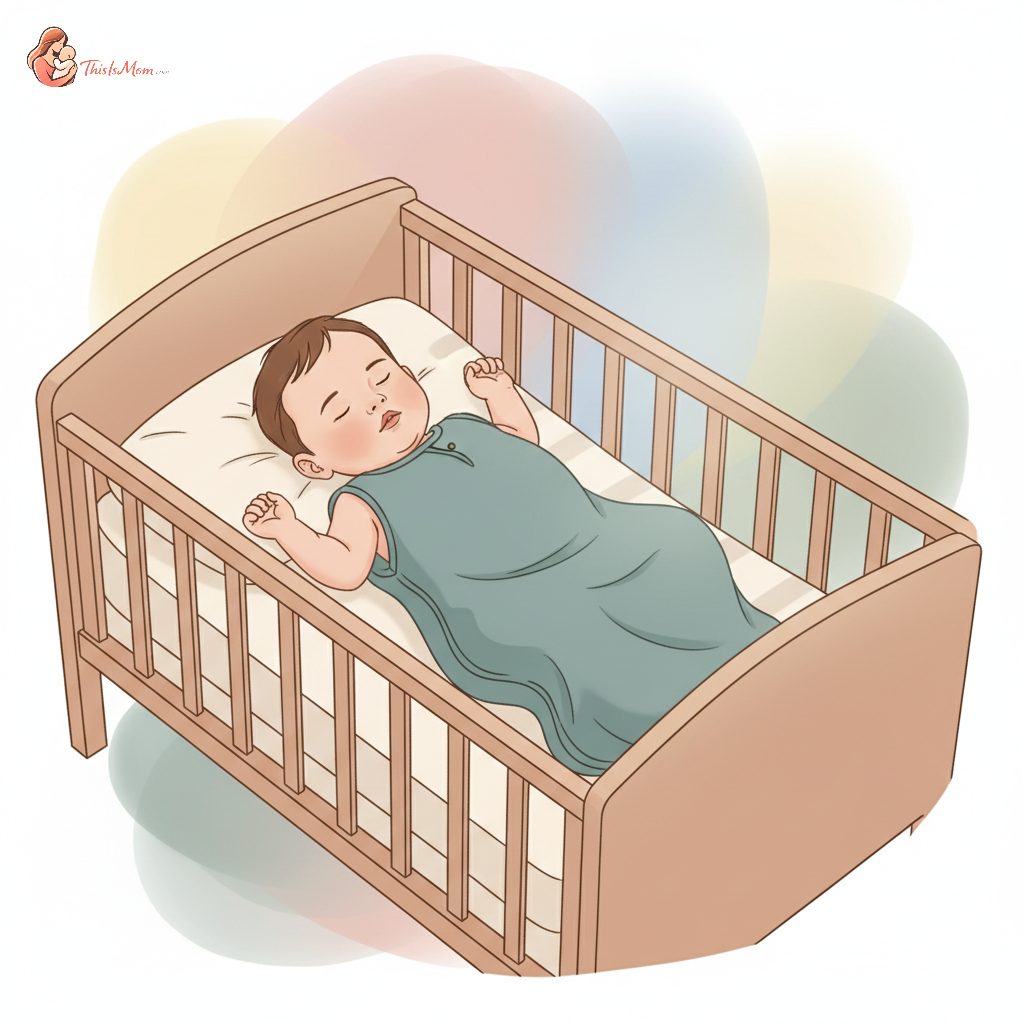
Baby Fighting the Swaddle at 3 Months? How to Navigate the Transition
Your 3-month-old baby was sleeping soundly, swaddled snug as a bug. Now, suddenly, they're fighting it, wiggling out, crying, and waking themselves up. Is this normal? When your baby is fighting the swaddle at 3 months, knowing how to transition becomes the pressing question on many parents' minds. It can feel like a step backward when you've found a sleep solution that worked.
The good news is, this is a very common developmental stage. Babies grow and change rapidly, and what once was a comfort can become a hindrance. Understanding why this happens and how to manage the shift safely is key to helping everyone get more sleep. The American Academy of Pediatrics (AAP) offers clear guidance on this topic, prioritizing safe sleep practices above all else.
Why Your 3-Month-Old Might Be Fighting the Swaddle
At around 3 months, babies are entering a new phase of development. Their motor skills are becoming more advanced, and they are gaining more control over their limbs. This increased mobility is often the primary reason they begin to struggle with being swaddled tightly.
They might be feeling more restricted rather than comforted. Their little arms, once tucked in place, are now strong enough to break free. This can lead to frustration before sleep, and even wake them up if they manage to escape the swaddle during the night.
Signs Your Baby is Outgrowing the Swaddle
Beyond simply resisting the swaddle itself, there are other indicators that your baby is ready to transition. Their attempts to break free are a significant sign, but look for other cues as well:
- Increased strength and mobility: They can reliably push their way out of a swaddle that used to be secure.
- Waking themselves up: Despite being swaddled, they are unswaddling themselves and then startling themselves awake with their movements.
- General fussiness with swaddling: They begin to cry or fuss from the moment you bring out the swaddle, indicating they no longer find it soothing.
If you're noticing these signs, it might be time to explore ways to transition out of the swaddle, especially if your baby won’t sleep soundly when confined. If your baby is struggling with waking themselves up frequently, you might want to explore how to help a 4-month-old sleep through the 4-month regression as sleep disturbances can be related.
When to Transition: The 'Airing Out' Rule for Safe Sleep
The decision to stop swaddling isn't just about convenience; it's a crucial safety consideration. The AAP strongly advises parents to stop swaddling when a baby shows any sign of attempting to roll over. This is a critical milestone, as a swaddled baby who rolls onto their stomach is at increased risk of suffocation.
The AAP Guidelines and the Rolling Milestone
The guidelines from the AAP are clear: Stop swaddling immediately if your baby shows signs of being able to roll over. This typically occurs around 2 to 4 months of age, but can happen earlier or later. Even a baby who has only rolled from tummy to back, or back to tummy, once is considered to be showing signs of rolling.
The reason is straightforward: if a baby can roll onto their stomach while swaddled, their arms are not free to push themselves up. This can create an unsafe sleep environment. Therefore, the transition out of the swaddle is a necessary safety step to support your baby's developing motor skills and mobility.
Here's the crucial point: The moment your baby shows signs of rolling, all swaddling must cease. This includes traditional swaddles and any swaddle-like sleep sacks.
Gentle Ways to Transition Your Baby Out of the Swaddle
Transitioning out of the swaddle doesn't have to be a sudden, disruptive event. Many parents find a gradual approach to be more effective, allowing the baby (and the parents!) to adjust over time. The goal is to ensure your baby still feels secure and comforted without the full confinement of a swaddle.
The 'One Arm Out' Method
A popular and often successful strategy is the "one arm out" method. This approach gradually introduces the baby to sleeping with more freedom.
- Start with one arm out: For a few nights, swaddle your baby with one arm free. This allows them to learn what it feels like to have more movement while still providing some sense of security to their core.
- Observe their sleep: Pay attention to how they sleep. If they seem comfortable and sleep quality doesn't drastically decline, proceed to the next step.
- Try both arms out: Once your baby has adjusted to one arm out for several nights, try putting them down for sleep completely unswaddled, perhaps in a sleep sack.
- Gradual reduction: Some parents loosen the swaddle slightly each night, or opt for a swaddle that allows arms to be released more easily.
This method helps babies adjust to the sensation of their limbs moving more freely while still offering some of the comforting pressure they're used to. If your baby continues to wake frequently, remember that short naps are also common during this period and can be addressed.
Gradual vs. 'Cold Turkey' Approaches
While the gradual method is often recommended, some babies respond better to a more direct approach.
- Gradual Transition: This involves slowly decreasing the swaddle's tightness or leaving one or both arms out for progressively longer periods. It allows for adaptation and can minimize sleep disruption.
- 'Cold Turkey' Transition: This means stopping swaddling completely at once, often switching to a sleep sack. This can be challenging initially, as the baby will need time to get used to not being swaddled.
What to do when your baby fights the swaddle at night during transition? If you're using a gradual method and your baby is particularly resistant during the “one arm out” stage, you can try leaving both arms out for a nap, then return to one arm out for the night if sleep is significantly disrupted. Consistency is key.
Discover your baby's phase
Swaddle Transition Products: Do They Actually Help?
The market is flooded with products designed to ease the transition out of the swaddle. These can range from specialized sleep sacks to suits that offer a feeling of security without full swaddling. Understanding these options can help you choose what might work best for your baby.
Overview of Popular Transition Aids
- Transition Sleep Sacks: These are essentially sleep sacks with features designed to transition from a swaddle. Some have armholes that can be opened or removed, or allow one arm to be freed more easily.
- Swaddle Transition Suits: These garments often extend into a sleep sack and may feature a way to detach or loosen arm wraps. They aim to provide a snugger feel than a standard sleep sack.
- Weighted Sleep Sacks (Use with Caution): While some parents find weighted sleep sacks helpful for a sense of security, the AAP and other health organizations do not recommend their use for infants due to potential safety concerns. Always check with your pediatrician before using any weighted sleep product. If you're concerned about your baby's overall sleep, you might find information about managing baby sleep during daylight savings or general tips on lengthening short naps useful.
Choosing the Right Product for Your Baby's Needs
When selecting a swaddle transition product, consider your baby's temperament and sleep habits. If your baby is a vigorous mover, a product that allows for more mobility might be better. If they are sensitive to temperature changes, choose a product made from breathable fabric.
The most important factor is that the product does not restrict movement in a way that could become a safety hazard, especially if your baby is close to rolling. Prioritize products that adhere to safe sleep guidelines and allow for the free movement of limbs.
When the Transition Isn't Going Well: Troubleshooting Tips
Sometimes, despite best efforts, the transition out of the swaddle can be a bumpy road. Your baby may wake more frequently, become more fussy, or struggle to settle without the familiar feeling of being swaddled. This is where troubleshooting becomes important, focusing on creating a supportive sleep environment.
Dealing with the Startle Reflex During Unswaddling
The startle reflex, also known as the Moro reflex, is a natural response to a sudden movement or sensation. When a baby is unswaddled, their limbs are free to move, and any sudden movement can trigger this reflex, waking them up. If your baby is transitioning out of the swaddle with the startle reflex causing significant wake-ups, try the following:
- Introduce a sleep sack: A sleep sack can provide a sense of security and slight pressure that may help calm the startle reflex.
- White noise: A consistent white noise machine can help mask sudden noises and create a soothing sleep environment.
- Gentle rocking or patting: When your baby startles awake, offer comfort through gentle rocking or patting to help them resettle without fully waking.
Creating a Consistent Bedtime Routine
A consistent bedtime routine is crucial for signaling to your baby that it's time to sleep, especially during a transition. This routine can help your baby feel secure and prepared for sleep, even without the swaddle.
A good routine might include:
- A warm bath
- A gentle massage
- Reading a story or singing a lullaby
- A final feeding and cuddle
The predictability of this routine can be incredibly comforting and help your baby adjust more smoothly to sleeping unswaddled. If comfort nursing becomes an issue at night, you might want to look into addressing how to handle a baby who is refusing a pacifier and comfort nursing.
When to Consider Additional Support
If you've tried various methods, used transition products, and your baby is still struggling significantly with sleep, or if you have safety concerns, it’s wise to seek professional guidance.
- Consult your pediatrician: They can assess your baby's overall health and development and offer personalized advice. They are the best resource for determining if there are any underlying issues affecting sleep.
- Consider a certified sleep consultant: For persistent sleep challenges, a reputable sleep consultant can offer strategies tailored to your family's needs.
Remember, a challenging transitioning out of the swaddle is common, and there are many resources available to help.
Every Baby and Every Transition Is Unique
As you navigate this phase, remember that your baby is an individual, and their journey will be unique. What worked for a friend's baby or what you read online might not be the perfect fit for your little one. Be patient, observant, and adaptable.
The goal is always to prioritize your baby's safety and well-being while also seeking solutions that allow for rest for the entire family. Trust your instincts as a parent, and don't hesitate to reach out for support when you need it. The transition out of the swaddle is a temporary challenge, and with consistent effort and a focus on safe sleep, you and your baby will find a new, comfortable sleep routine.
Always check with your pediatrician for your specific situation.