Baby Naps 30 Minutes? 7 Ways to Extend Sleep Longer
Is your baby only napping 30 minutes? Discover why this is common and learn 7 gentle, evidence-backed strategies to help extend your baby's short naps for longer sleep.
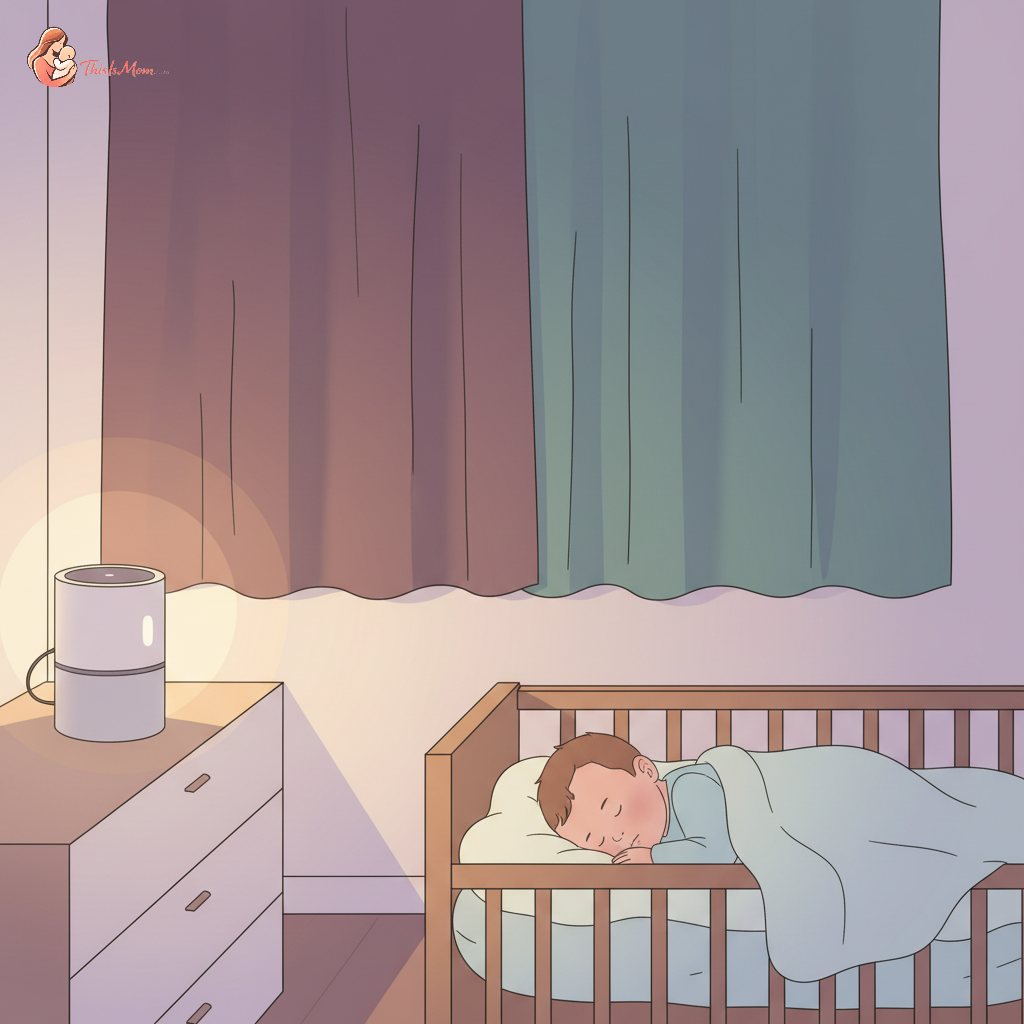
Baby Only Naps 30 Minutes? Gentle Ways to Extend Sleep
Is your baby only napping 30 minutes at a time? Many parents find themselves wondering how to encourage baby to nap longer than 30 minutes. It can feel like a mystery, especially if your little one previously took longer naps. This is a very common experience for parents, and there are several evidence-informed reasons why this might be happening. The good news? There are also gentle, research-backed strategies you can try to encourage longer, more restorative sleep for your baby.
Why Your Baby's Naps Are Suddenly 30 Minutes (And Why It's So Common)
That 30-minute nap cycle is often referred to as the "groggy cycle" among sleep experts. For many babies, especially around the 4-month mark and beyond, this is a natural transition. Before this age, babies often sleep in longer, deeper consolidated stretches. However, as they develop, their sleep patterns begin to mature and resemble adult sleep cycles more closely, which include lighter stages of sleep where they are more prone to brief awakenings.
The American Academy of Pediatrics (AAP) notes that sleep patterns evolve as babies grow. What might have worked for sleep at 2 months might not be as effective at 4 or 6 months. A 30-minute nap often signifies that a baby has completed one full sleep cycle and is waking up or transitioning to the next. If they haven't yet developed the skills to link these cycles independently, they may pop awake and struggle to fall back asleep. This is frequently why a baby only naps 30 minutes, and it’s a sign of developmental progress, even if it feels disruptive.
Spotting the Triggers: Overtiredness, Wake Windows & Sleep Environment
Understanding the underlying causes of short naps is the first step in addressing them. Several factors can contribute to a baby waking after just one sleep cycle.
The Magic of Wake Windows: Goldilocks Zone for Naps
Wake windows are simply the amount of time your baby can comfortably stay awake between sleep periods. Getting this just right is crucial for encouraging good naps. The AAP and other child development resources emphasize that appropriate wake windows support optimal sleep. If a wake window is too short, your baby might be undertired, making it hard to fall asleep deeply. Conversely, if a wake window is too long, your baby can become overtired, which paradoxically makes falling asleep and staying asleep much more challenging.
- For infants (0-3 months): Wake windows are typically 45-60 minutes.
- Around 4-6 months: Wake windows might lengthen to 1.75-2.5 hours.
- Older babies (6-9 months): Wake windows can extend to 2-3 hours.
Observing your baby for sleepy cues, rather than solely relying on the clock, can help you pinpoint their ideal wake window.
The Overtired Trap: When Less Sleep Leads to Less Sleep
Overtiredness is a significant culprit behind short naps. When a baby is overtired, their bodies release cortisol, a stress hormone. This can make it harder for them to settle and fall into deep sleep, leading to more frequent awakenings. Ironically, a baby who is overtired often struggles to sleep for longer periods. This is where the "short naps baby why" question often arises. It’s a cycle of disruption that can be difficult to break. The CDC highlights that consistent sleep routines are essential for healthy child development and can help mitigate overtiredness.
Environmental Factors: Light, Sound, and Temperature
The environment where your baby naps plays a vital role. Think of it as creating a sleep sanctuary.
- Light: Darkness signals to the brain that it's time to sleep. Even small amounts of light can interfere with melatonin production, a hormone that regulates sleep. Blackout curtains can be incredibly helpful.
- Sound: Consistent, low-level background noise, known as white noise, can mask startling sounds and create a soothing atmosphere. The Mayo Clinic suggests that white noise machines can aid sleep for some infants.
- Temperature: A room that is too warm or too cool can disrupt sleep. The generally recommended range for a nursery is between 68-72°F (20-22°C).
Gentle Strategies to Help Your Baby Nap Longer Than 30 Minutes
Once you've identified potential triggers, you can implement gentle strategies. The goal is not to force sleep, but to create conditions that support your baby in learning to fall back asleep independently.
Connection Nap: The Dream Feed for Naps
Sometimes, a baby might wake after a short nap simply because they are hungry or seeking connection. Just as a "dream feed" can sometimes help consolidate nighttime sleep for very young babies, you can try a brief "connection nap" intervention. This involves gently rocking, patting, or offering a short cuddle if your baby wakes after 30 minutes. The aim is to soothe them back to sleep in the crib without completely taking them out and starting the nap over. If they are genuinely hungry, and it's been a significant amount of time since their last feeding, a feeding might be appropriate.
Discover your baby's phase
The Crib Hour Method: Patience and Practice
The Crib Hour method, a popular strategy among sleep consultants, is based on the idea of allowing your baby to try to resettle for a full hour from the time their nap started. If your baby wakes within that hour (typically after 30-45 minutes), you allow them approximately 10-15 minutes to try and fall back asleep on their own.
- Observe: If your baby wakes after their first sleep cycle, resist the urge to immediately rush in.
- Wait: Give them a few minutes to see if they can resettle independently. You can offer quiet reassurance with a pat or shush through the crib bars.
- Intervene: If they remain awake and distressed after that short period, you can offer a brief period of comfort (rocking, shushing, etc.) and attempt to put them back down drowsy but awake.
- Respect the Hour: If they don't fall back asleep within that hour from the nap's start time, it's generally considered a shorter nap. You can then get them up and try again at the next appropriate wake window.
This method requires consistency and patience, as it takes time for babies to learn this new skill. This is one of the many gentle sleep training methods for anxious parents that can be adapted for naps.
Darkness and White Noise: Creating a Sleep Sanctuary
As mentioned earlier, optimizing the sleep environment is key.
- Maximize Darkness: Use blackout curtains to ensure the room is as dark as possible, even during daytime naps. This mimics nighttime conditions and can significantly improve sleep quality.
- Consistent White Noise: A white noise machine or app can provide a soothing, consistent sound that blocks out household noises and helps babies feel secure. Ensure it’s set at a moderate volume and placed a safe distance from the crib.
When to Expect Longer Naps (and What's Normal)
It’s important to remember that nap length varies greatly between babies and even from day to day. What’s considered "normal" is a broad spectrum.
Developmental Milestones and Nap Length
As babies grow, their sleep needs and patterns change. The AAP's sleep guidelines suggest that while newborns might nap unpredictably and for long stretches, older infants move towards more structured nap schedules. Around 4-6 months, the sleep cycle consolidation and transition can lead to those shorter, 30-minute naps. By 6-9 months, many babies are consolidating their naps into fewer, longer stretches.
Is Your 3 or 4 Month Old Baby Only Napping 30 Minutes? You're Not Alone!
If your 3 or 4-month-old baby only naps 30 minutes, this is an exceptionally common phase. This is often when the "4-month sleep regression" or sleep maturation occurs. It’s not a true regression in the sense of losing progress, but rather a significant shift in their sleep architecture. Most babies will eventually learn to link sleep cycles with consistent support and practice.
Troubleshooting Common Short Nap Scenarios
- Baby wakes up crying after 30 minutes: This could indicate overtiredness, undertiredness, or an environmental disruption. Check wake windows, ensure the room is dark and quiet, and consider if they might benefit from a soothing intervention or a slight adjustment in bedtime.
- Baby wakes up happy but goes back to sleep after rocking: This suggests they are capable of falling back asleep but may rely on external help. Gradually reduce the rocking or holding time so they learn to settle themselves in the crib.
- Baby consistently wakes after the same 30-minute interval: This points to them completing a sleep cycle and struggling with the transition. Consistent application of a nap extension technique like Crib Hour or gentle comfort in the crib might help them learn to connect cycles. Some babies might also be ready to transition out of the swaddle, and safe swaddle alternatives for babies who roll over early could be considered.
When to Talk to Your Pediatrician
While 30-minute naps are common, there are times when seeking professional guidance is important.
- Concerns about overall sleep deprivation: If your baby is consistently struggling to get enough sleep over a 24-hour period, or if you are concerned about their growth and development.
- Signs of illness: If the short naps are accompanied by fever, fussiness that cannot be soothed, changes in feeding, or any other symptoms.
- Persistent difficulty: If you've tried various strategies for an extended period and are not seeing any improvement, your pediatrician can offer personalized advice.
Remember, every baby is unique. What works for one may not work for another. By understanding the developmental stages of sleep and applying gentle, evidence-informed strategies, you can support your baby in achieving longer, more restorative naps.