Baby Naps Only 30 Minutes? What to Do for Longer Sleep
Is your baby only taking 30-minute naps? Learn common reasons for short baby naps and gentle strategies to help extend them for more restorative sleep.
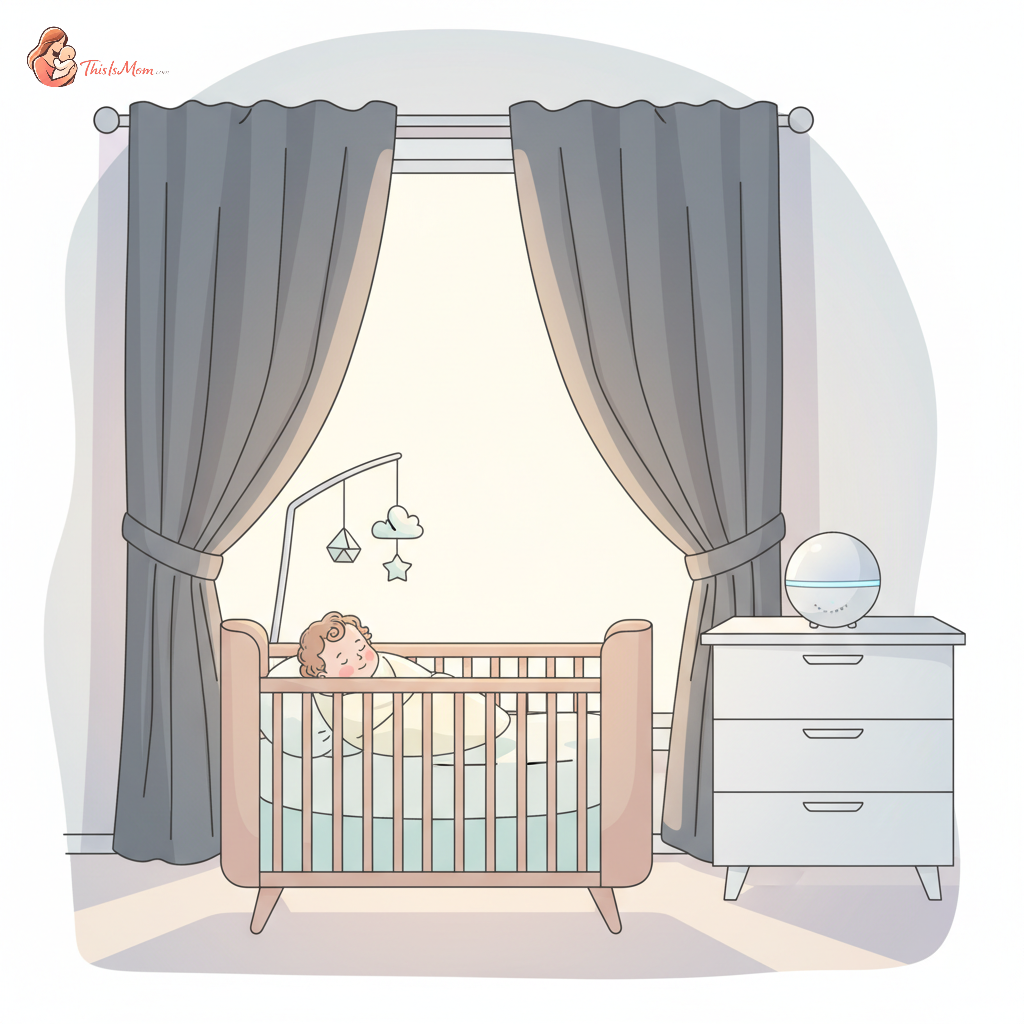
Baby Naps Only 30 Minutes in Crib? What to Do
Is your baby consistently taking naps around 30 minutes, leaving you to wonder if it's normal or if there's a way to encourage longer sleep? This is a frequent concern for many parents. Understanding why babies take short naps, often called "catnapping," and exploring gentle strategies to lengthen them can significantly benefit both baby and family.
The American Academy of Pediatrics (AAP) offers guidance on infant sleep. While there isn't a specific rule for nap length, consistent 30-minute naps can sometimes indicate that your baby isn't getting enough restorative sleep. Let's explore what might be happening and how to help.
Why Short Naps Occur
It can be frustrating when your baby wakes up after a brief sleep. Understanding the reasons behind these short naps is the first step toward finding solutions.
The Science Behind Sleep Cycles
Babies, like adults, cycle through different stages of sleep. These cycles are shorter in infants and young children than in older children and adults. A typical infant sleep cycle lasts about 45-60 minutes. At the end of a cycle, babies naturally transition between sleep stages.
During this transition, they may briefly wake up. If they haven't yet learned to self-soothe or connect their sleep cycles, they might fully wake and need help to fall back asleep. For many babies, this transition point often happens around the 30-minute mark.
Common Reasons for Waking Too Soon
Several factors can contribute to a baby waking after a short nap:
- Hunger: A hungry baby may not be able to fall back asleep.
- Discomfort: A wet diaper, being too hot or too cold, or an uncomfortable sleeping position can all cause wake-ups.
- Overstimulation or Undertiredness: A baby who is too stimulated before a nap might struggle to settle. Conversely, a baby who isn't tired enough may not sleep deeply.
- Developmental Leaps: Learning new skills like rolling or crawling can temporarily disrupt sleep patterns. For help with safety during these times, it's important to ensure they can sleep safely, especially after rolling. Baby Sleeps on Side After Rolling: Is It Safe? AAP Guide
- External Disturbances: Noise, light, or a caregiver entering the room can interrupt a light sleep phase.
When Are Short Naps 'Normal' vs. When to Intervene?
For very young infants, especially newborns, short naps are often the norm. Their sleep cycles are very immature, and they wake frequently. As babies get older, typically past 4-6 months, they begin to develop more mature sleep patterns.
While some short naps are natural, especially during transitions, if your baby is consistently waking after 30 minutes, seems unhappy, struggles with nighttime sleep, or isn't meeting developmental milestones, it might be a good time to explore strategies to lengthen naps.
Setting the Stage for Longer Naps
Creating an optimal sleep environment is foundational for helping your baby achieve longer, more restorative naps.
Optimizing Darkness and Sound
The Mayo Clinic recommends creating a dark sleep environment. Darkness signals to the brain that it's time to sleep by promoting the production of melatonin, a sleep-regulating hormone.
- Blackout Curtains: Use these to eliminate light, even during the day.
- White Noise Machine: A consistent, low-level white noise can mimic the womb's sounds and mask startling noises. The AAP suggests it can be a helpful tool for sleep.
Temperature and Comfort
Ensuring your baby is comfortable temperature-wise is crucial. The CDC advises dressing babies in layers and keeping the room at a temperature that is comfortable for a lightly clothed adult, generally between 68-72°F (20-22°C). A too-hot or too-cold room can disrupt sleep.
Ensure their sleep space is safe and free from loose bedding, which is a SIDS risk. A snug swaddle (for younger babies who aren't rolling) or a sleep sack can provide comfort and security.
Consistency is Key
A predictable nap routine signals to your baby that it's time to wind down and prepare for sleep. This doesn't need to be elaborate.
A simple routine might include:
- A quiet activity like reading a book.
- A diaper change and putting on sleep clothes.
- A short lullaby or gentle rocking.
- Placing them in their crib drowsy but awake.
This predictability helps your baby associate the routine with sleep.
Gentle Strategies to Extend Short Naps
Once you've optimized the environment and routine, you can implement strategies to help your baby connect their sleep cycles.
The 'Wait and See' Approach
When your baby stirs after 30 minutes, resist the urge to rush in immediately. Give them a few minutes to see if they can resettle on their own. This is part of learning to self-soothe.
Discover your baby's phase
Listen for cues. If they are just making little noises or shifting, they may drift back to sleep. If they begin to cry intensely, it's time to intervene.
The 'Nap Rescue' Mission
If your baby is clearly distressed and unable to resettle, you can try a gentle rescue. This might involve:
- Going into the crib: Offer a brief pat, a shush, or a gentle hand on their chest to reassure them.
- Temporary intervention: If they don't settle quickly, you might pick them up for a short period of rocking or feeding to calm them, then try putting them back down.
- Comfort object: For babies over 12 months, a small lovey can be introduced as a comfort item.
The goal is to help them connect the sleep cycles without creating a dependency on your intervention for every nap.
Timing Is Everything
The age-appropriate wake window—the amount of time a baby can comfortably stay awake between sleep periods—is critical. If a baby is overtired or undertired, naps will suffer.
- Overtired babies: Struggle to fall asleep and stay asleep, often waking after short naps.
- Undertired babies: May not fall asleep easily or sleep deeply enough for long naps.
Research suggests that understanding and adhering to your baby's optimal wake windows is one of the most effective ways to promote longer naps. Tracking wake times and nap lengths can help you identify these optimal windows.
Addressing Underlying Causes
Sometimes, short naps are a symptom of a broader issue with your baby's overall sleep or well-being.
Is Your Baby Overtired or Undertired?
Observing your baby's behavior is key.
- Signs of overtiredness: Fidgeting, rubbing eyes, arching back, difficulty settling, crying spells, taking short naps.
- Signs of undertiredness: Not showing sleepy cues, playing actively in the crib, waking up happy and refreshed after a short nap and not needing another sleep for a long time.
Adjusting nap times or wake windows based on these cues can make a difference.
Feeding Considerations
A hungry baby will not sleep well. Ensure your baby is getting adequate nutrition during their awake periods. For breastfed babies, ensuring a good latch and sufficient milk transfer is important. For formula-fed babies, ensure they are on the correct nipple flow and volume.
Sometimes, a feeding right before a nap can help them settle. However, avoid creating a situation where the baby must be fed to fall asleep if you are aiming for independent sleep.
Developmental Milestones
As babies reach developmental milestones—like rolling over, sitting up, crawling, or pulling to stand—their sleep can be temporarily disrupted. They are practicing these new skills and may wake themselves up while trying to do them in their sleep.
This is usually a temporary phase. Continue to offer a consistent nap routine and environment, and they will typically adjust.
When to Talk to Your Pediatrician About Naps
While most short naps are a normal part of development, there are times when professional guidance is beneficial.
Red Flags
Consider discussing naps with your pediatrician if you notice:
- Persistent fussiness or irritability: If your baby seems consistently unhappy and difficult to soothe, it could indicate insufficient sleep.
- Poor weight gain or feeding issues: Significant sleep problems can sometimes be linked to underlying feeding or medical concerns.
- Struggles with nighttime sleep: If your baby has difficulty falling asleep at night or wakes frequently, it could be related to daytime nap patterns.
- Signs of sleep apnea or reflux: Although rare, if you suspect your baby has breathing difficulties during sleep or significant discomfort from reflux, this needs immediate medical attention. It's also important to ensure you've chosen the right pediatrician for your baby's needs. How to Choose a Pediatrician Before Baby Arrives
Overall Sleep Health
Your pediatrician can offer a broader perspective on your baby's sleep. They can assess if your baby is meeting age-appropriate sleep expectations for total sleep time (both naps and nighttime sleep) and help identify potential underlying issues.
Trust Your Gut
As a parent, you know your baby best. If you have a persistent feeling that something isn't quite right with your baby's sleep or overall well-being, it's always worth reaching out for professional advice. Your pediatrician is your partner in ensuring your baby thrives.