My Baby Only Naps 30 Mins: 10 Gentle Ways to Lengthen Naps
Is your baby only napping 30 minutes? Understand why short naps happen and discover 10 gentle, effective strategies to help your baby extend their nap times.
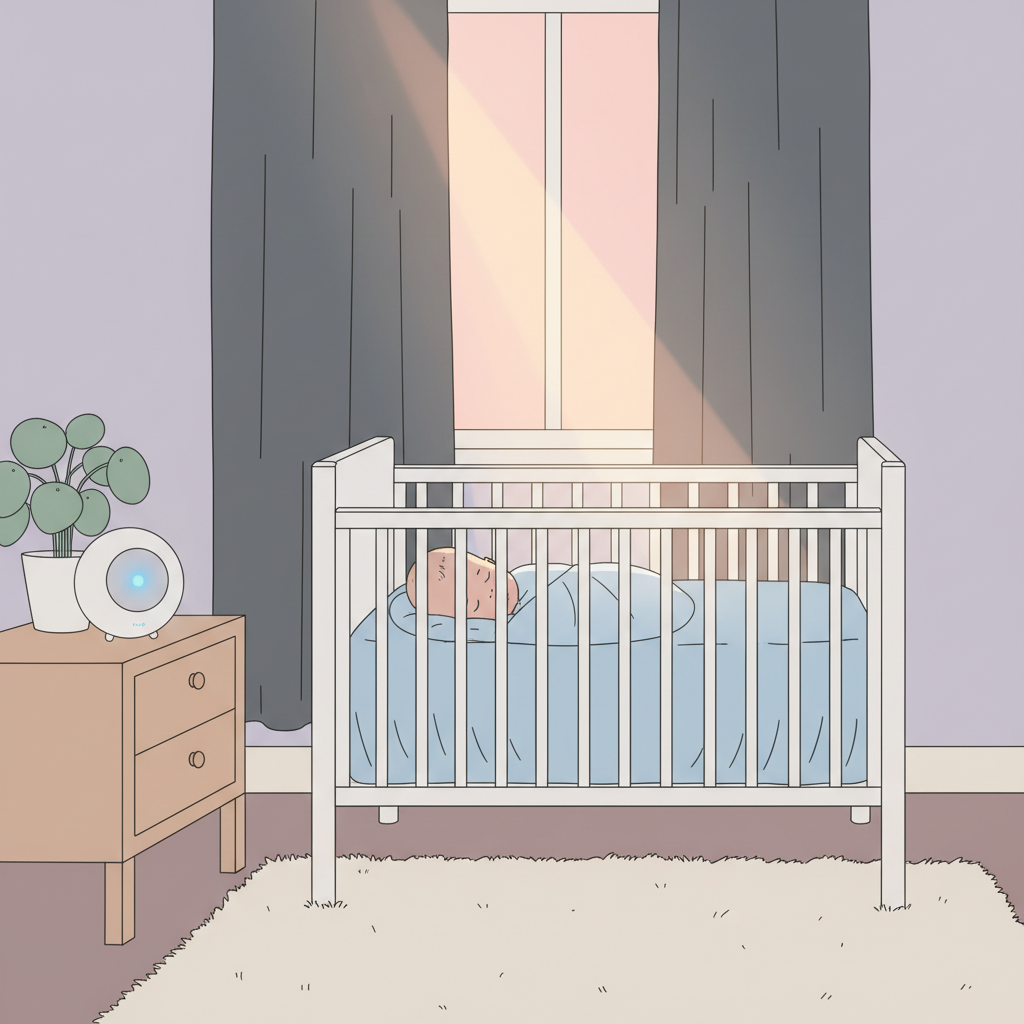
My Baby Only Naps 30 Minutes: How to Gently Lengthen Them
It was 2:17 p.m. when I finally admitted defeat. Noah had just woken up from his second 30-minute nap of the day, and the bone-deep exhaustion was setting in. My brain felt like a fog machine had gone off inside it. If you're deep in the trenches right now, wondering if your baby truly only naps for 30 minutes, I see you. We're going to talk about it.
Is a 30-Minute Nap Too Short for a Baby?
Okay, real talk first: Is a 30-minute nap too short for a baby? For many little ones, a 30-minute nap is actually pretty standard. It often represents one sleep cycle. Babies are still learning to string those cycles together, and it takes time and practice. So, if your baby is generally happy, well-fed, and growing, a 30-minute nap might just be their current normal.
But I know that doesn't make it easy. Trying to get anything done when your baby wakes up after only half an hour feels… impossible. You're settling down with your coffee, or starting that important email, and BAM. Back to square one.
Why Do Babies Nap for Only 30 Minutes?
So, why do babies nap for only 30 minutes? It often boils down to a few things. As I learned with Noah, babies have shorter sleep cycles than adults. They naturally come to a lighter stage of sleep around the 30-minute mark. Sometimes, they can transition smoothly into the next cycle. Other times, they wake up.
Here's the thing: a baby who only naps for 30 minutes might be experiencing:
- Difficulty transitioning: They can't bridge the gap between sleep cycles.
- Sleep environment issues: Something is disrupting their sleep.
- Developmental readiness: They might be going through a phase where longer naps are harder.
- Overtiredness or undertiredness: The timing is just off.
It’s a puzzle, and honestly, it can feel like you have all the wrong pieces.
Troubleshooting Short Naps: What Might Be Going On?
When you’re dealing with a baby who only naps for 30 minutes, the first step is to play detective. We want to figure out why these naps are so short. It’s a process of elimination, and a lot of trial and error.
Wake Windows: Are They Too Long or Too Short?
Wake windows are those magical (or not-so-magical) periods between sleep. If a baby is awake too long, they get overtired, and overtired babies often have shorter, more fragmented sleep. But here's the kicker: if they're awake too little, they might not be tired enough to sleep deeply or for a full cycle.
I definitely remember the phase where I thought Noah needed to sleep sooner. Turns out, I was often putting him down when he wasn't quite ready, and he'd wake up after that first 30 minutes.
Nap Environment: Is it Dark Enough? Quiet Enough?
This is a big one. Babies are sensitive.
- Light: Is the room truly dark? Even a sliver of light can disrupt sleep. Blackout curtains are your friend here.
- Sound: Is it too noisy? Or too quiet? Some babies need white noise to block out household sounds. Others might be sensitive to sudden noises.
- Temperature: Make sure the room is a comfortable temperature. Not too hot, not too cold.
I learned that even a little bit of light creeping in from under the door could be enough to wake Noah prematurely.
Developmental Leaps and Nap Regressions (4, 6, 9 Months)
Oh, developmental leaps. They’re beautiful for watching your baby grow, but brutal for sleep. Many parents notice that their baby only naps for 30 minutes during certain developmental phases.
- Around 4 months: This is often when their sleep cycles mature, and they start having actual sleep regressions. The 30-minute nap can become a hallmark of this phase. This is when the "how to get baby to nap longer than 30 minutes" searches really kick into high gear for parents of a 4-month-old baby. (how-to-encourage-baby-to-nap-longer-than-30-minutes)
- Around 6 months: Crawling, sitting, and more active exploration can play havoc with naps. Your 6-month-old baby might only nap for 30 minutes as they practice new skills.
- Around 9 months: Separation anxiety can emerge, and motor skill development (early walking, climbing!) is in full swing. A baby only naps 30 minutes at 9 months? Yep, it's common.
These phases are temporary, but they feel like forever when you’re in them.
Strategies to Lengthen Naps: Gentle Ways to Extend Sleep
Okay, we've done some troubleshooting. Now, let's talk about how to gently encourage longer naps. Remember, the goal here is to support your baby, not force them into something they're not ready for.
The 'Nap Rescue' and 'Connecting Sleep Cycles' Methods
This is where things get a bit more hands-on.
Discover your baby's phase
- Nap Rescue: This involves trying to intervene right around the 25-30 minute mark. You might try to gently pat, shush, or sway to help them fall back asleep without fully waking. It’s about offering comfort and support as they transition.
- Connecting Sleep Cycles: The ultimate goal is for your baby to roll from one 30-minute cycle into the next. This might mean creating a calm environment, ensuring they’re not hungry or uncomfortable, and offering reassurance at that 25-30 minute mark.
It can take practice to get the timing right, and some days it works better than others. Don’t get discouraged if it doesn’t happen immediately.
Optimizing the Pre-Nap Routine
A consistent, calming pre-nap routine signals to your baby that it’s time to wind down and rest. It doesn’t have to be elaborate.
A simple routine might look like:
- Quiet play or reading a book.
- A diaper change.
- Swaddling or putting on a sleep sack.
- A gentle song or lullaby.
- Put baby down drowsy but awake.
The key is consistency. Your baby will start to associate these actions with sleep, making the transition smoother.
Feeding Strategies Around Naps
Timing your feeds can also play a role.
- Avoid feeding to sleep (if possible): This can create a sleep association where they need the breast or bottle to fall asleep, and then wake up looking for it when they stir between cycles.
- Ensure they’re fed before they’re overtired: A hungry baby won't settle well. But a baby who is too full might be uncomfortable. Find that sweet spot.
- Consider nap timing: Some babies need a feed somewhat close to their nap, while others do better with a feed after their nap to avoid that sleep association. You'll have to experiment to see what works for your child.
When to Embrace the Short Nap (and When to Keep Trying)
Look, there will be days, and frankly, weeks, where short naps are just your reality. And that’s okay.
Adjusting Expectations: Every Baby Is Different
This is the hardest part, I think. We see these beautiful Instagram feeds or hear from friends whose babies nap for hours, and we feel like we’re failing. But the truth is, every baby is different. Some babies are naturally short nappers. Your baby might just be one of them, and they’ll still thrive.
It’s about finding a rhythm that works for your family, not one that fits a generic schedule.
Making the Most of Awake Time
If your baby is taking short naps, focus on making their awake time count.
- Engage them: Play, read, sing, go for walks.
- Watch for sleepy cues: Don’t wait until they’re overtired to start winding down for the next nap or bedtime.
- Prioritize connection: Even short naps mean more awake time for cuddles and interaction.
Nap Scheduling for Success
While I’m not a huge fan of rigid schedules, having a general idea of nap times can be helpful.
- Observe your baby's sleepy cues: When do they naturally start to get tired?
- Work backward from bedtime: This helps ensure they aren't staying up too late or napping too close to bedtime.
- Consistency is key: Try to stick to roughly the same nap times each day, even on weekends.
For my baby who only naps 30 minutes at 4 months, I found the most success with slightly shorter wake windows and aiming for a more consistent nap time even if the duration varied.
When to Call the Pediatrician
While short naps are often normal, there are times when it’s a good idea to check in with your pediatrician.
You should consider a call if:
- Your baby is consistently waking up distressed or inconsolable after short naps.
- They are showing signs of poor weight gain or not meeting other developmental milestones.
- Short naps are accompanied by significant feeding issues or changes in behavior.
- You suspect a medical issue might be contributing to the sleep disruption (like reflux or allergies). For this, you might research sensitive vs. gentle formula or the best formula for gas & constipation.
Your pediatrician can help rule out any underlying medical concerns and offer tailored advice for your baby.