How to Encourage Baby to Nap Longer Than 30 Minutes
Struggling with short baby naps? Discover expert tips, environmental hacks, and gentle strategies to help your baby nap longer than 30 minutes and link sleep cycles.
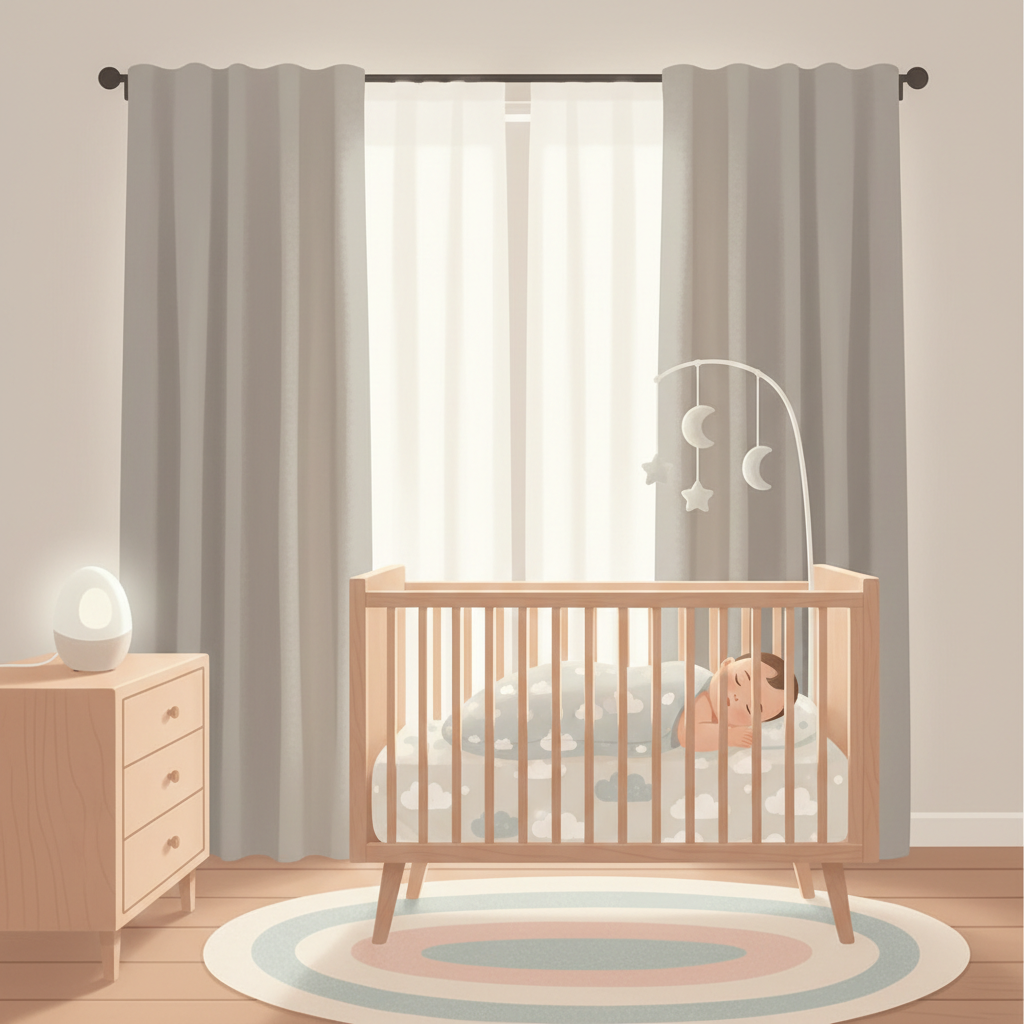
How to Encourage Baby to Nap Longer Than 30 Minutes: A Guide
Your baby has just settled down for a nap, you’ve tiptoed out of the room, and precisely 30 minutes later, you hear stirring. Sound familiar? Many parents wonder how to encourage their baby to nap longer than 30 minutes, and it’s a common concern as we all hope for more restorative sleep for our little ones. Why does this happen, and what can we do about it? The good news is that understanding your baby’s sleep patterns and making a few strategic adjustments can often help extend those short naps.
The Mystery of the Short Nap: Why So Briefly?
It can be perplexing when your baby seems to wake up just as you're starting to relax. Is this just their natural cycle, or is there something more at play?
Decoding Your Baby's Sleep Cycles
According to sleep experts, babies have shorter sleep cycles than adults. An adult's sleep cycle is typically 90-120 minutes, while a baby's is much shorter, often around 45-60 minutes. This means they transition through lighter stages of sleep more frequently.
The period around the 30-45 minute mark of a nap is often when a baby is transitioning between sleep cycles. If they haven't fully learned to link these cycles, they may wake up completely at this transition point. This is sometimes referred to as the "45-minute intruder" nap. For a similar age-related sleep challenge, consider this advice on a baby waking every hour at 5 months.
Common Reasons Your Baby Wakes Early From Naps
Several factors can contribute to a baby waking up prematurely from a nap:
- Hunger: If the nap is longer than their typical eating interval, they might wake up hungry.
- Discomfort: A soiled diaper, an uncomfortable position, or being too hot or cold can all lead to wakefulness. For ways to keep your baby warm without blankets, check out these gentle tips.
- Overstimulation or Overtiredness: Babies who are too "wired" or too exhausted can struggle to resettle.
- External Disturbances: Noise, light, or someone entering the room can disrupt their sleep.
- Developmental Leaps: As babies learn new skills (like rolling or sitting), they may have temporary sleep disruptions.
Crafting the Perfect Nap Haven for Extended Sleep
Creating an environment that signals "sleep time" is crucial. The goal is to minimize distractions and maximize comfort, encouraging your baby to feel secure enough to drift back to sleep if they stir.
Darkness, Sound, and Temperature: Setting the Scene
- Darkness: Pediatric sleep experts, including those consulted by the American Academy of Pediatrics (AAP), often recommend a dark room for naps. This helps regulate your baby's internal clock and signals that it's time to sleep. Blackout curtains can be very effective.
- Sound: For some babies, consistent white noise can be a calming influence and help mask sudden household sounds that might otherwise wake them. A sound machine can provide this continuous, soothing sound.
- Temperature: Ensure the room is at a comfortable temperature, generally between 68-72°F (20-22°C). Too warm or too cool can lead to discomfort and interrupted sleep.
The Power of a Consistent Pre-Nap Routine
A predictable sequence of events before a nap tells your baby, "It's time to rest." This routine doesn't need to be long; even a few simple steps can make a difference.
A typical routine might include:
- A quiet activity like reading a book.
- A diaper change and getting into sleep clothes or a sleep sack.
- A brief cuddle and a soft lullaby.
- Laying your baby down drowsy but awake.
The consistency is key. Repeating this sequence daily helps your baby anticipate sleep and transition more easily. For guidance on maintaining consistency between daycare and home, explore these tips.
Timing Is Everything: Optimizing Wake Windows & Sleep Cues
Knowing when your baby is ready for a nap (but not too ready) is fundamental to successful sleep.
How to Spot (and Act On) Your Baby's Sleepy Signals
Every baby has unique sleepy cues. Learning to recognize yours can help you catch that ideal moment for a nap. Common signs include:
- Yawning
- Rubbing eyes or ears
- Staring off into space
- Becoming less active or fussier
- Hiccups or jerky movements
It’s generally more effective to put a baby down for a nap when you see these early signs, before they become overtired. An overtired baby has higher levels of stress hormones, making it harder to fall asleep and stay asleep.
Adjusting Wake Windows by Age
Wake windows are the periods of time a baby can comfortably stay awake between sleep periods. These vary significantly by age. While the AAP doesn't provide strict wake window charts, general developmental research suggests the following ranges:
Discover your baby's phase
- 3-month-olds: Approximately 1 to 1.5 hours.
- 5-6-month-olds: Approximately 1.5 to 2.5 hours.
- 7-9-month-olds: Approximately 2.5 to 3.5 hours.
Remember these are general guidelines. Your baby's individual temperament and sleep needs are paramount. Observing your baby's cues is always the best approach to determining nap timing. For instance, if your four-month-old fusses when put down awake for a nap, understanding this common occurrence can help. Read more here.
Gentle Strategies to Help Extend Those Short Naps
If your baby consistently wakes after one sleep cycle, there are gentle techniques you can try to encourage them to resettle.
The 'Wake to Sleep' Method: Does It Work?
The "wake to sleep" method is a technique where you briefly rouse your baby just before they are due to wake up naturally at the end of a sleep cycle. The goal is to nudge them into a deeper stage of sleep, potentially helping them avoid waking up fully and thus leading to a longer nap.
This method requires careful timing and observation of your baby's sleep patterns. If you notice your baby typically stirs around the 25-minute mark of a nap, you might try gently stimulating them (e.g., a light touch on their back) around 20-22 minutes into the nap. Some parents find this helpful, while others do not. It's not a guaranteed solution and requires experimentation. This is particularly relevant for babies around 6 months who only nap 30 minutes in the crib; find specific tips here.
Hands-On Helping: Patting, Rocking, and Drowsy but Awake Revisited
When your baby stirs after a short nap, especially if they are showing signs of still being tired, you can try offering gentle reassurance:
- Patting and Soothing: Once they stir, you can try entering the room to softly pat their back, rub their chest, or hum quietly. The aim is to offer comfort and encourage them back to sleep without fully picking them up.
- Rocking: A gentle rocking motion can be very soothing. If you pick them up, try to settle them back down in their crib while they are still drowsy.
- Drowsy but Awake Principle: This principle is often more effective for falling asleep initially. However, if you can comfort your baby back to that drowsy state in their crib, they may be able to drift off again on their own.
The key is to observe your baby's reaction. If they seem genuinely upset and unsoothable, forcing them back to sleep might be counterproductive.
When to Intervene vs. When to Let Them Be
It's a balancing act. If your baby wakes and immediately seems content and ready to play, they might have simply had enough sleep for that particular nap. Forcing them to sleep longer might lead to frustration for both of you. However, if they wake and seem tired, fussy, or still sleepy, a gentle intervention might help them get those extra 15-30 minutes needed for a more restorative nap. The goal isn't necessarily to force a two-hour nap, but to help them extend their sleep by one more cycle if they are capable and willing.
Troubleshooting Common Nap Challenges
Even with the best strategies, some nap challenges persist. Here’s how to approach common roadblocks.
"My Baby Only Naps Short When I Put Them Down Drowsy!"
This is a common paradox. Sometimes, babies who are put down drowsy but awake can struggle more to resettle if they wake between cycles. This might be because they haven't yet developed the internal coping mechanisms to drift back to sleep independently.
If this is your situation, you might consider for a short period:
- Slightly More Assistance: Helping them get a little deeper into sleep before putting them down, perhaps through gentle rocking until they are very sleepy.
- Focus on Environment: Ensuring the nap environment is as conducive to sleep as possible, as discussed earlier.
- Consistency: Continuing to offer opportunities for longer naps, even if they are initially short.
What If My Baby Won't Nap Longer at Night Either?
If your baby is struggling with short naps, they may also be having trouble with longer stretches of sleep at night. The principles remain similar:
- Consistent Bedtime Routine: A strong, predictable bedtime routine is essential.
- Appropriate Wake Windows: Ensure they aren't going to bed overtired or too early.
- Safe Sleep Environment: A dark, cool, and quiet room for nighttime sleep.
- Feeding Schedules: Ensuring adequate daytime feeds can prevent waking solely due to hunger at night for older babies. For advice on gentle night weaning for a 9-month-old, you can look here.
Don't Forget About You: Staying Sane in the Short Nap Phase
As a parent, the constant cycle of short naps can be incredibly draining. It’s crucial to remember that this is a phase, and it will pass.
- Lower Expectations: Your baby’s sleep needs are complex. On days with frequent short naps, acknowledge it and focus on getting everyone through the day.
- Prioritize Rest When Possible: If your baby naps even for 30 minutes, use that time to rest, even if it’s just lying down with your eyes closed.
- Seek Support: Talk to your partner, friends, or family about how you’re feeling. Sometimes just sharing the experience can help.
When to Talk to Your Pediatrician About Naps
While short naps are incredibly common, there are times when you might want to discuss them with your pediatrician. If you have concerns about your baby's overall development, feeding, or if they seem consistently undertired or overtired despite your best efforts, a conversation with your pediatrician is always a good idea. They can rule out any underlying medical reasons for sleep disturbances and offer personalized advice based on your baby's specific health and developmental trajectory.