5 Best On-the-Go Snack Pouches for Active Toddlers (No Sugar)
Discover the 5 best on-the-go snack pouches for active toddlers with no added sugar. Expert-approved options for healthy, convenient fueling without hidden sweeteners.
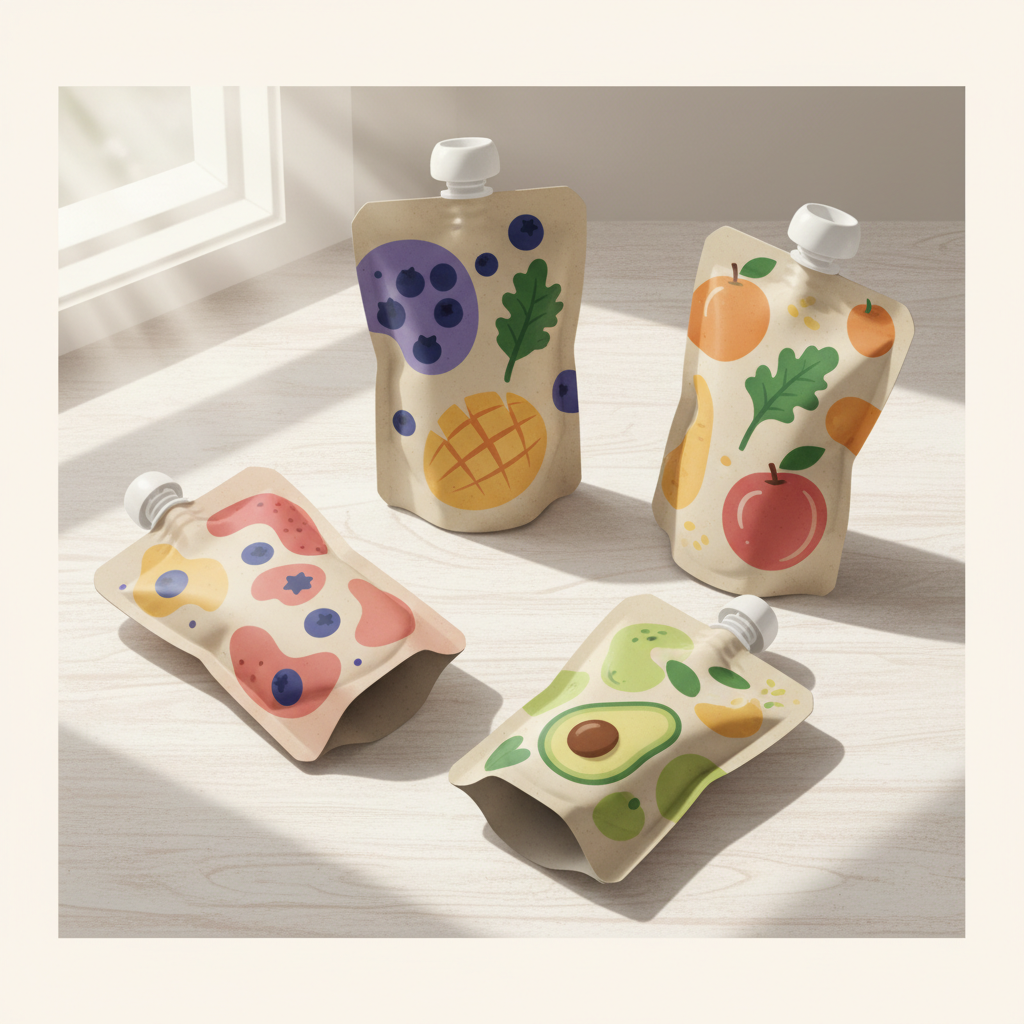
The 5 Best On-the-Go Snack Pouches for Active Toddlers (No Added Sugar)
In 5 minutes, you'll know exactly which snack pouches to buy for your active toddler — and which ones to leave on the shelf. As a parent who has wrangled twins through countless playground sessions and road trips, I can tell you the snack pouch aisle is a minefield. Many parents think "fruit pouch" equals healthy, but a quick glance at the ingredient list often reveals a sugar bomb. This guide cuts through the noise to highlight genuinely good options.
Forget spending hours scrolling through parent forums; I've tested the top contenders to find the best on-the-go snack pouches for active toddlers without added sugar.
Why "No Added Sugar" Is Non-Negotiable for Toddlers
Let’s be blunt: excess sugar is a problem, and it starts early. Toddlers have developing palates and bodies. Early, consistent exposure to high sugar levels can lead to:
- Taste Bud Training: They get accustomed to intensely sweet flavors, making less sweet, nutrient-dense foods seem unappealing.
- Energy Spikes & Crashes: This is the opposite of what you want for an active toddler. You need sustained energy, not sugar-fueled frenzies followed by meltdowns.
- Dental Health Risks: Cavities are a real concern, and sugary snacks feed the bacteria that cause them.
- Behavioral Impacts: While not always direct, energy rollercoasters and nutrient displacement can contribute to crankiness and difficulty concentrating.
Decoding Sugar Labels
You'll see "sugar" on an ingredient list, and that's okay when it's from the fruit itself. The red flag is for:
- Added Sugars: Ingredients like cane sugar, corn syrup, honey (for babies under 12 months, never appropriate), fruit juice concentrates , and any other sweetener.
- Hidden Sugars: Fruit juice concentrate is a prime offender. While it comes from fruit, the fiber is stripped away, leaving concentrated sugars that hit the bloodstream fast. Always look for whole fruit or vegetable purees as the primary ingredients.
What to Look For in a Healthy Toddler Snack Pouch
Forget the cartoon characters and bright packaging. Here’s what truly matters when selecting an on-the-go snack pouch:
- Pure & Simple Ingredients: Look for pouches where the first ingredient is a fruit or vegetable, not juice. Organic is a plus. While heavy metals in baby food are a concern, stick to reputable brands that regularly test their products, as recommended by child nutritionists.
- Nutritional Value: Aim for pouches that offer more than just carbs. Good options will include:
- Fiber: Helps with digestion and provides sustained fullness. Found in whole fruits and and vegetables.
- Healthy Fats: Essential for brain development. May come from avocados or added seeds (like chia or hemp, if tolerated).
- Protein: Crucial for growth. Less common in fruit-only pouches, but look for options that incorporate dairy, legumes, or seeds.
- Portion Sizes for Active Toddlers: Your little one is burning energy. A tiny pouch might not cut it. Consider pouches that are 4-5 ounces, or be prepared to offer two if needed.
- Packability: The pouch needs to survive the diaper bag. No-spill caps are a must. Easy to open and close is key for quick refueling at the park.
Our Top 5 Picks: Best On-the-Go Snack Pouches Without Added Sugar
After extensive testing (and a lot of smoothie-making cleanup), these five pouches stood out for their commitment to quality ingredients, taste, and practicality.
1. Once Upon a Farm - The Pure Pumpkin Patch
This brand consistently ranks high for its commitment to simple, whole-food ingredients. The Pure Pumpkin Patch blends organic pumpkin puree with organic apple and a touch of cinnamon. It’s wonderfully smooth and tastes like a treat without any added sugar.
- Pros: Excellent ingredient quality (organic, cold-pressed), good source of Vitamin A from pumpkin, smooth texture toddlers enjoy, no added sugar or juice concentrate.
- Cons: Can be pricier than other options, refrigeration required before opening.
- Best for: Parents prioritizing organic and simple ingredients, and who can store them refrigerated.
- Skip if: You need shelf-stable pouches or are strictly on a budget.
2. Plum Organics - Mighty Snacks (Broccoli, Pear & Kale)
Plum Organics is a long-standing favorite for a reason. Their "Mighty" line combines fruits and veggies effectively. The Broccoli, Pear & Kale blend is surprisingly palatable, offering a good dose of nutrients beyond just fruit sugar.
- Pros: Good blend of fruits and vegetables, decent fiber content, no added sugar or juice concentrate, widely available, shelf-stable.
- Cons: Some toddlers might detect the vegetable notes initially.
- Best for: Introducing more greens into your toddler's diet in a familiar format.
- Skip if: Your toddler is extremely sensitive to vegetable flavors, or you can't find them locally.
Discover your baby's phase
3. Happy Family Organics - Super Spoonies (Apple, Sweet Potato & Blueberry)
Happy Family Organics offers a range of pouches with thoughtful ingredient combinations. The Apple, Sweet Potato & Blueberry blend is naturally sweet from the fruits and root vegetable, providing a good dose of fiber and Vitamin A.
- Pros: Good balance of fruit and veggie, organic ingredients, no added sugar or juice concentrate, BPA-free packaging, shelf-stable.
- Cons: Texture can sometimes be a bit thinner than other purees.
- Best for: A straightforward, nutrient-dense option for everyday snacking.
- Skip if: You're looking for pouches with added protein or healthy fats.
4. Cerebelly - Smart Pouches (Sweet Potato, Mango & Basil)
Cerebelly focuses on brain development with their blends, often including healthy fats and unique flavor profiles. The Sweet Potato, Mango & Basil pouch is a winner – the basil adds a subtle, sophisticated note that toddlers seem to surprisingly enjoy. It’s naturally sweet and packed with Vitamin A.
- Pros: Unique flavor combinations, includes healthy fats (from avocado in other flavors, though this one relies on the natural sweetness and vitamins), brain-supporting ingredients, organic.
- Cons: Higher price point, less widely available than mainstream brands.
- Best for: Parents looking for a more complex flavor profile and interest in brain-boosting ingredients.
- Skip if: Budget is a primary concern or you prefer simpler fruit/veg blends.
5. YoBaby - Greek Yogurt & Fruit Pouches (Strawberry & Blueberry)
While brands like Cerebelly and Once Upon a Farm are excellent, sometimes you need a pouch with a bit more staying power – protein and healthy fats to keep that energy steady. YoBaby's Greek Yogurt & Fruit pouches deliver. They use yogurt as a base, adding protein and probiotics, with real fruit puree (no added sugar).
- Pros: Excellent source of protein and probiotics, keeps toddlers fuller for longer, no added sugar, uses Greek yogurt.
- Cons: Requires refrigeration, can be messier if the cap isn't secured properly; always check specific flavor ingredient lists to ensure no hidden sugars.
- Best for: Filling, protein-rich snacks that can even act as a mini-meal, especially good for post-activity refueling.
- Skip if: You need a shelf-stable option or your toddler has dairy sensitivities.
Beyond Pouches: Easy Homemade Low-Sugar Snacks for Active Kids
Pouches are convenient, but making your own snacks offers ultimate control over ingredients and cost. For active toddlers, you want nutrient-dense options that provide sustained energy.
- Mini Muffins: Bake simple muffins using whole wheat flour, mashed banana or applesauce for sweetness, and perhaps some shredded zucchini or carrot.
- Fruit & Veggie Smoothies: Blend whole fruits (berries, banana, apple) with a liquid base (milk, unsweetened almond milk, water) and a hidden veggie (spinach, kale, cooked sweet potato). You can even add a spoonful of plain Greek yogurt or nut butter for protein and healthy fats. This is a great way to hide vegetables your toddler might otherwise refuse .
- Hard-Boiled Eggs: A protein powerhouse, easy to transport and eat.
- Cheese Cubes or Sticks: Another simple protein and calcium source.
- Homemade "Fruit Roll-Ups": Blend fruit (strawberries, mangoes) and spread thinly on a Silpat-lined baking sheet. Bake at the lowest oven setting until dry. Cut into strips.
Make Your Own Reusable Snack Pouches
Want the pouch convenience without the waste or cost? Invest in a set of good quality, BPA-free reusable snack pouches. Fill them with your homemade smoothies, yogurt, or pureed fruits and vegetables. Making your own baby food in batches can be a lifesaver for busy parents. They are easy to wash and even easier on your wallet long-term.
Integrating Healthy Snacking into Your Toddler's Day
Snacking isn't just about filling tiny tummies; it's a crucial part of a toddler's balanced diet.
- Timing is Key: Offer snacks between main meals, typically mid-morning and mid-afternoon. Avoid snacking too close to mealtime, which can spoil their appetite for nutrient-rich foods.
- Variety Encourages Exploration: Don't get stuck on one or two options. Rotate through different fruits, vegetables, protein sources, and healthy fats. This helps expose your toddler to new textures and flavors, crucial for developing adventurous eaters.
- Mindful Munching: Encourage your toddler to sit down to snack. This promotes digestion and helps them recognize fullness cues, setting the stage for mindful eating habits. Avoid letting them graze constantly or eat while distracted by screens. For example, if your toddler throws a tantrum when the tablet dies, it's time to manage those meltdowns and reset expectations around screen time.
When in doubt, or if you have specific concerns about your toddler's diet, growth, or energy levels, it's always best to talk to your pediatrician or a registered dietitian. They can offer personalized advice based on your child's individual needs.
Navigating the toddler snack aisle can be daunting, but with this guide, you’re equipped to make smart, healthy choices that fuel your little one's adventures, one delicious pouch at a time.