Best Snacks for Nausea Relief During First Trimester Travel
Combat morning sickness on the go! Discover essential travel snacks for first trimester nausea relief, from ginger chews to protein power, and practical tips for smoother journeys.
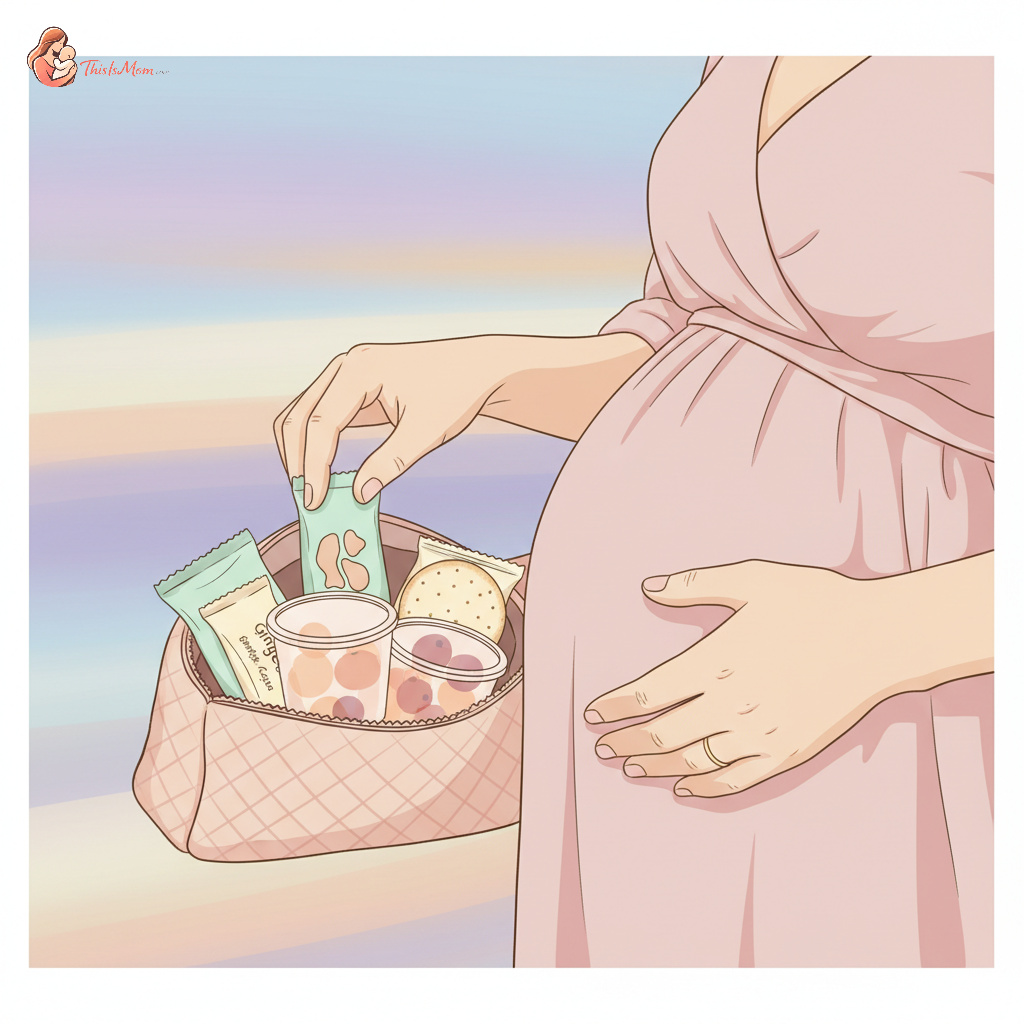
Embracing the Journey: Your Go-To Nausea-Nixing Snack Kit
The key, I found, is to have a variety of snacks that are gentle, easy to digest, and hopefully, a little soothing. You want things that can sit well in your stomach without making you feel heavy or queasy.
Ginger-Infused Goodies: Your Tiny Saviors
Ginger is pretty much the MVP of morning sickness remedies. It’s a natural anti-inflammatory and has been used for centuries to calm upset stomachs. For more on handling food aversions and nausea, check out this guide on first trimester food aversions when nothing sounds good.
- Ginger Candies and Chews: These are lifesavers. Look for ones with real ginger. I kept a tin in my purse at all times. Sucking on them slowly can really help.
- Ginger Cookies: Brands like Partake or Mary's Gone Crackers often have ginger options. They’re a bit more substantial than candy but still light.
- Ginger Tea Bags: You can steep these in hot water on the plane or in your hotel room. Even a lukewarm ginger tea can be surprisingly comforting.
Plain and Bland: The Unsung Heroes
Sometimes, the best things are the simplest. These are your foundational snacks, reliable when nothing else sounds appealing.
- Crackers: Saltines are classic for a reason. They’re bland, dry, and soak up a little stomach acid. Rice crackers or whole-grain crackers are also good options.
- Pretzels: The saltiness can be appealing, and they’re dry and easy to nibble on.
- Dry Toast: If you have access to a toaster, a slice of dry toast can be incredibly soothing first thing in the morning or when a wave of nausea hits.
Protein Power: Keeping Things Stable
Protein helps stabilize blood sugar, which can often be a trigger for nausea. You just need small amounts, so focus on portable, easy-to-eat sources.
- Nuts and Seeds: Almonds, walnuts, pumpkin seeds, sunflower seeds. A small handful can go a long way. Be mindful if strong nut smells bother you.
- Cheese Sticks: Easy to pack and a good source of protein.
- Hard-Boiled Eggs: If you can stomach them and don’t mind the smell, they are a fantastic, portable protein source. Some people find the sulfurous smell difficult, so gauge this one carefully!
Cool and Refreshing: A Palate Cleanser
Discover your baby's phase
Sometimes, a cool, slightly sweet option is exactly what your stomach needs.
- Fruit: Apples, pears, grapes, melon. These are hydrating and often well-tolerated. Keep them chilled if possible.
- Popsicles: Especially fruit-based ones. They can be a great way to get some fluids in when you can barely sip water.
- Yogurt: Individual cups of plain or Greek yogurt are easy to eat and provide protein and calcium. Look for lower sugar options.
Hydration Hacks When Water Just Isn't Cutting It
Staying hydrated is crucial, especially during pregnancy and when you’re feeling nauseous. But let's be honest, sometimes plain water can just make you feel … wetter, without helping the nausea.
For first trimester travel sickness, electrolytes can be your friend. When you’re vomiting or just feeling off, you can lose vital salts and minerals. If you're struggling with severe nausea and vomiting, it's important to know when to discuss postpartum anxiety symptoms with your OBGYN or other concerns.
- Electrolyte Drinks: Brands like Pedialyte (yes, for adults too!) or sports drinks can help replenish what you’ve lost. Opt for less sugary versions or dilute them if you prefer.
- Ginger Ale and Sparkling Water: The carbonation in ginger ale can be soothing for some people, but be careful – the sugar can backfire. Plain sparkling water is often a safer bet; add a squeeze of lemon or lime.
- Herbal Teas: Peppermint and lemon teas are excellent choices. Peppermint is known for its digestive benefits, and lemon is refreshing. I kept a small tin of peppermint tea bags with me.
Packing & Planning Tips for Nausea-Free Travel (Almost)
Honestly, the best strategy is prevention. Thinking ahead can save you a lot of discomfort. You might also find it helpful to prepare your toddler for screen-free airplane travel if you're traveling with older children.
- Small, Frequent Meals Are Your Best Friend: This is probably the most important piece of advice I received. Don't let your stomach get too empty, but also don't overload it. Aim for tiny snacks every 1-2 hours. This helps keep your blood sugar stable and prevents those sudden, overwhelming waves of nausea.
- Avoid Strong Smells: This is a big one for travel. Airplane cabins, buses, and even cars can be full of strong, unpleasant odors. Try to avoid super pungent foods yourself and steer clear of others' strong-smelling meals if you can. Maybe keep a light scarf sprayed with a tiny bit of calming essential oil (like lavender, if that works for you) to hold under your nose in a pinch.
- Always Keep a 'Barf Bag' Handy: This is not glamorous, but it's essential. Keep a few disposable bags (like dog poop bags or small ziplocks) in your purse or carry-on. Knowing you have one readily available can reduce anxiety, which, in turn, can sometimes help with nausea. I learned this the hard way on a particularly bumpy train ride.
When to Talk to Your Doctor About Severe Nausea
While morning sickness is incredibly common, there are times when it crosses the line from uncomfortable to concerning. It’s important to know when to seek professional medical advice.
- Dehydration: If you can’t keep fluids down for more than 12-24 hours, you’re at risk of dehydration. Signs include dark urine, dizziness, and infrequent urination.
- Weight Loss: Losing a significant amount of weight during the first trimester due to vomiting can be a sign of a more serious condition like hyperemesis gravidarum.
- Persistent Vomiting: If you are vomiting multiple times a day and it’s severely impacting your ability to function or eat, it's time to call your doctor. For advice on transitioning OBs during the first trimester, consider reading about signs you need to switch OB during pregnancy first trimester.
These symptoms aren't something to push through. Your healthcare provider can offer support, medication, or other strategies to help you manage severe nausea and ensure you and your baby are getting the nutrition and hydration you need. Traveling during the first trimester can feel daunting, and there will likely be moments when you feel less than stellar. But with a little planning, the right snacks, and a whole lot of self-compassion, you can navigate it. Remember, you are not alone in this, and this phase, like all phases of motherhood, is temporary. You've got this, mama.