First Trimester Food Aversions: When Nothing Sounds Good
Struggling with first trimester food aversions when nothing sounds good? Discover practical tips, safe food ideas, and strategies to cope with pregnancy nausea and maintain nutrition.
First Trimester Food Aversions: When Nothing Sounds Good
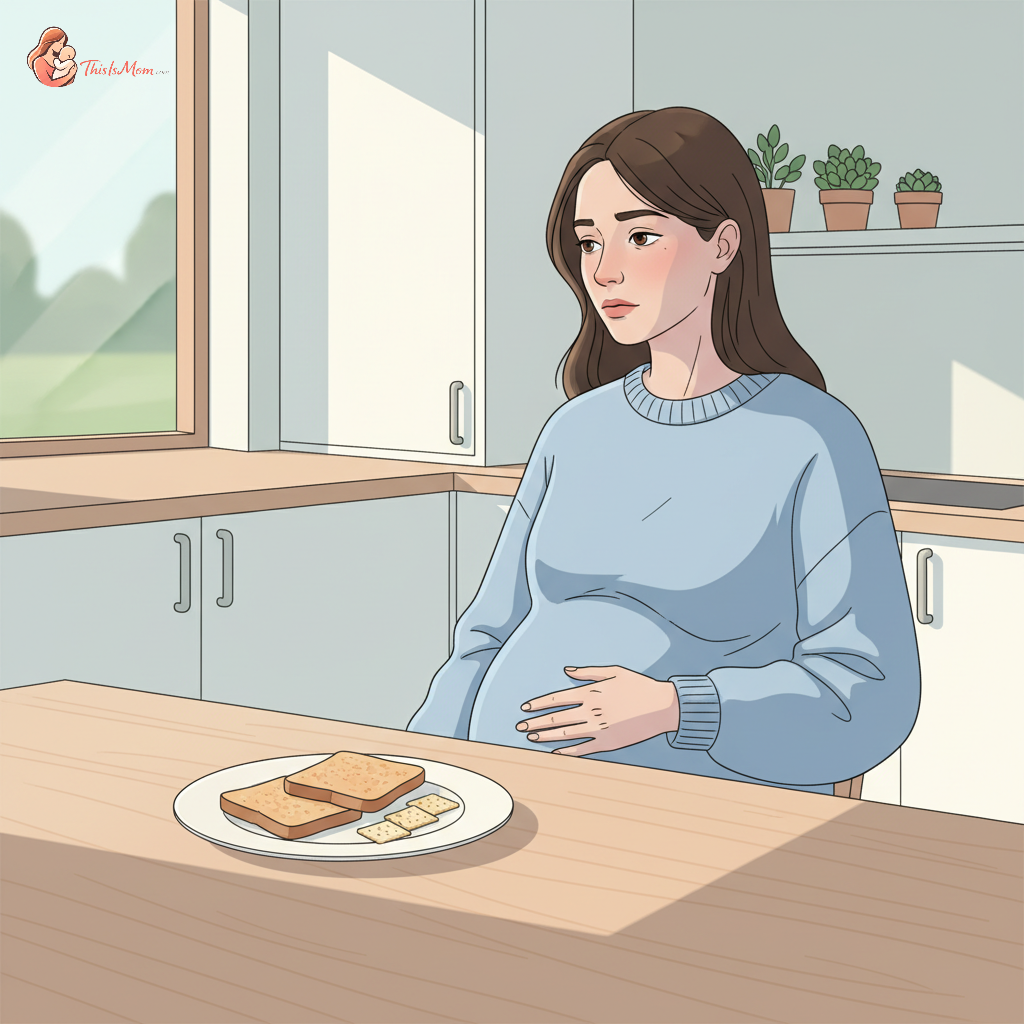
It's completely normal to wonder why your favorite meals now send shivers down your spine, or why the thought of food in general feels overwhelming. If you're experiencing first trimester food aversions and nothing sounds good, know you are far from alone. The first trimester is a whirlwind of hormonal changes, and your palate can be one of the first places you notice this upheaval. For many, it's more than just a little queasiness; it's a profound sense of "nothing sounds good," making the very act of eating a challenge.
When 'Just Eat Crackers' Isn't Enough
The advice to "just eat crackers" is well-intentioned, but it often falls short when morning sickness feels more like all-day sickness and aversions are intense. Your body is undergoing monumental shifts, and your senses are heightened. What works for one person might be a trigger for another, and that’s perfectly okay.
Why the First Trimester Can Be So Hard on Your Palate
Hormonal surges, particularly human chorionic gonadotropin (hCG), are thought to play a significant role in first-trimester nausea and aversions. These hormones can affect your digestive system and even your sense of smell, making previously appealing foods suddenly repulsive. Your body is essentially recalibrating, and your relationship with food can feel like it's caught in the crossfire. It's a protective mechanism, though it rarely feels that way in the moment.
The Difference Between Nausea, Vomiting, and True Aversion
Nausea is that queasy feeling, a general unease. Vomiting is the physical act of expelling stomach contents. Food aversion, however, is a distinct psychological and physiological response where the mere sight, smell, or thought of a particular food triggers an intense feeling of disgust or revulsion. You might be able to tolerate a few bites before the aversion kicks in, or you might be repulsed from the first whiff. Understanding this difference can help you communicate your experience to your healthcare provider more clearly.
Permission to Eat What You Can (Without Guilt)
This is crucial: You have permission to eat whatever you can tolerate, even if it’s not the nutrient-dense, perfectly balanced diet you envisioned. During intense phases, survival mode is key. If all you can stomach are plain bagels, or perhaps a very specific brand of ice cream, that is your food for today. Focus on getting something in your system, staying hydrated, and being kind to yourself. Your body is working overtime to grow a new life.
Beyond Bland: Creative Strategies for Finding 'Safe' Foods
When the idea of anything remotely healthy makes you gag, it's time to get creative. The goal isn't perfection; it's finding anything that won't immediately make you feel worse. Exploring different temperatures, textures, and flavors can unlock surprisingly tolerable options.
The Power of Temperature: Cold vs. Hot vs. Room Temp
Temperature can be a game-changer for pregnancy food aversions. Some women find that cold foods are easier to tolerate because they have less aroma. Think chilled fruits, cold yogurt, or even a cold sandwich. Others might prefer warm, comforting foods, but the steam can be a trigger for some. Experimenting with room temperature options, which have a more subdued smell, can also be a helpful strategy.
Surprising Textures That Might Work (or Not)
Texture plays a huge role in aversions. Some might find smooth, pureed foods easier to swallow, while others might need the crunch of something crisp.
- Smooth: Yogurt, applesauce, pudding, smoothies.
- Crunchy: Crackers, dry cereal, rice cakes, crunchy vegetables (if tolerated). You might find that a toddler only eats dry crunchy snacks is a phase you're already familiar with.
- Chewy: Gummy candies, some types of bread, dried fruit (in moderation).
- Soft: Cooked pasta, mashed potatoes, scrambled eggs (if tolerated).
Pay attention to what your body can handle. Sometimes a specific texture is the only barrier to eating.
Flavor Profiles That Tend to Be Tolerated (Sweet, Sour, Salty, Umami)
While heavy, savory smells might be off-putting, certain flavor profiles often fare better:
- Sour/Tangy: Citrus fruits, lemonade, sour candies, pickles. These can sometimes cut through nausea.
- Salty: Pretzels, salted crackers, broth. Simple, familiar tastes can be grounding.
- Sweet: Fruit, mild baked goods, popsicles. A little sweetness can be a welcome relief.
- Umami: Broth-based soups, nutritional yeast on foods (if tolerated). This savory, deep flavor can sometimes be surprisingly well-received when other meats are not.
Avoid overly complex or spicy flavors if they tend to trigger you.
Small Victories: Food & Drink Ideas When Nothing Sounds Good
When you're deep in the throes of managing pregnancy aversions, even the most basic meal can feel impossible. These ideas are designed for those moments when nothing sounds good, focusing on ease of consumption and minimal triggers.
Liquid Gold: Smoothies, Broths, and Infused Water
Liquids can be lifesavers.
- Smoothies: Blend fruits (berries, banana, mango), a liquid base (water, milk, yogurt, coconut water), and perhaps a mild protein powder or a spoonful of nut butter if tolerated. You can even sneak in mild greens like spinach, which often doesn't alter the flavor significantly. If you're struggling with hydration, remember how important it is for baby sleep schedule daylight saving us.
- Broths: Chicken, vegetable, or bone broth can provide hydration and electrolytes. Sip it warm or cold.
- Infused Water: Plain water can feel boring. Try adding cucumber, mint, or a splash of fruit juice for subtle flavor.
- Electrolyte drinks: If you're experiencing vomiting, electrolyte-rich drinks can be very helpful.
Crunchy, Chewy, or Soft: Unexpected Comfort Foods
Sometimes, the most unexpected items become your saving grace.
- Cold cereal with milk: Easy to digest and often tolerated.
- Popsicles: Hydrating and can soothe a sore throat if you're vomiting.
- Toast or bagels: Plain, with a little butter or cream cheese if you can manage it.
- Rice or pasta: Plain, with a little salt.
Portable Snacks for When Hunger Strikes Out of Nowhere
Keep easy-to-grab options handy for those moments when hunger hits suddenly and intensely.
Discover your baby's phase
- Fruit: Apples, bananas, oranges.
- Crackers or pretzels.
- Yogurt cups.
- Granola bars (choose mild flavors).
Tips for Protein Intake (When Meat is a Major NO)
Protein is vital, but the smell and texture of meat can be a huge aversion. Explore other sources:
- Dairy: Yogurt, cheese, milk.
- Eggs: Scrambled or hard-boiled, if you can manage them.
- Legumes: Lentil soup (if tolerated), hummus.
- Nuts and seeds: Nut butters on toast or crackers.
- Tofu: Plain or prepared in a way that minimizes strong odors.
Navigating Hunger, Hydration, and Nutrition
The biggest challenge with first-trimester aversions is trying to nourish yourself and your baby when eating feels like a chore, or worse, a trigger for sickness. Prioritizing hydration and frequent, small intakes is key.
The Importance of Small, Frequent 'Meals'
Instead of aiming for three large meals, aim for 5-6 very small "snacks" or "mini-meals" throughout the day. This helps keep your stomach from getting too empty (which can worsen nausea) or too full (which can also trigger nausea). Keep snacks by your bed to eat before you even get up.
Staying Hydrated: Beyond Plain Water
Dehydration can significantly worsen nausea and fatigue. If plain water is difficult, try:
- Ice chips.
- Diluted fruit juice.
- Herbal teas (peppermint or ginger are often recommended, but check with your provider).
- Broths.
- Popsicles.
Supplements & Prenatals: Gentle Ways to Get Your Nutrients (Discuss with Your Doctor)
This is where you absolutely need to talk to your OB/midwife. If you are struggling to eat enough, your prenatal vitamin and any recommended supplements become even more critical.
- Some women find taking their prenatal vitamin at night or with food easier.
- Others might need a different formulation, like a chewable or liquid vitamin, if pills are a trigger.
- Your provider might suggest specific B vitamins or anti-nausea medications if symptoms are severe. For severe symptoms, understanding postpartum exhaustion and rage at partner might feel less overwhelming if you can get support.
Practical Hacks for Kitchen & Home Management
Your environment can heavily influence your aversions. Making your home and kitchen less triggering can make a big difference.
Delegate, Outsource, or Simplify Meal Prep
You do not have to cook elaborate meals right now.
- Ask your partner, family, or friends for help with grocery shopping and meal preparation.
- Embrace frozen meals or pre-prepped ingredients.
- Focus on one-pot meals or simple assemblies that require minimal cooking time and effort.
- Don't be afraid of takeout or delivery for nights when cooking feels impossible. If the thought of cooking for others is too much, remember that schools still contact moms default shift is a systemic issue you might be dealing with too.
Odor Control: Minimizing Triggers
Strong cooking smells can be a major trigger.
- Cook with windows open, even if it’s cold outside.
- Use exhaust fans religiously.
- Consider eating meals cold or at room temperature whenever possible.
- Clean up spills and dirty dishes immediately to prevent lingering odors.
When to Ask for Help: Partners, Family, and Friends
It’s exhausting to feel nauseous and repulsed by food all day. Lean on your support system. Clearly communicate what you need, whether it's a specific snack, help with chores, or just a listening ear. People want to help, but they often don't know how unless you tell them.
When to Talk to Your Doctor: Knowing Your Limits
While first-trimester nausea and aversions are common, there are times when you need to seek medical advice. Your care provider is your best resource for navigating these challenges.
Red Flags for Dehydration or Excessive Weight Loss
If you are unable to keep fluids down for more than 12-24 hours, or if you are losing significant weight (often defined as more than 5% of your pre-pregnancy weight), it's time to call your doctor or midwife. These can be signs of dehydration, which can be serious. If you are struggling with basic needs, perhaps considering how to maximize dependent care fsa summer camp us feels like a distant dream, but self-care is paramount.
Understanding Hyperemesis Gravidarum (HG)
Hyperemesis Gravidarum (HG) is a severe form of nausea and vomiting during pregnancy that can lead to dehydration, malnutrition, and significant weight loss. It requires medical intervention. If you are vomiting multiple times a day, unable to keep any food or fluids down, and feeling profoundly unwell, discuss this with your provider. They can offer a range of treatments from medication to IV fluids.