Birth Partner Hospital Bag for Long Labor: What to Pack
Prepare your birth partner for a long labor with this essential hospital bag packing list. Ensure they have everything needed to support you and stay comfortable.
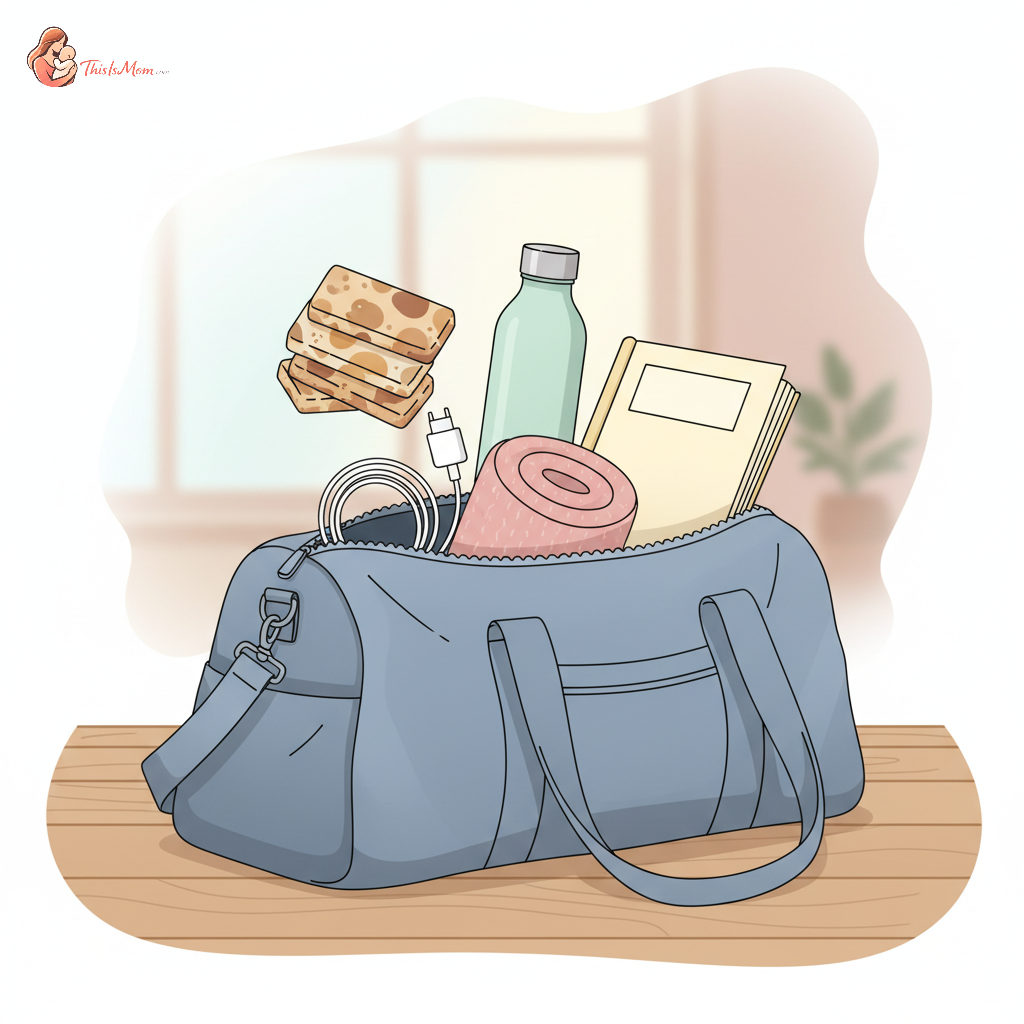
- Non-perishable snacks: Granola bars, nuts, dried fruit, jerky, crackers, and fruit snacks provide quick energy and are easy to eat on the go.
- Hydration: Reusable water bottles are essential. Electrolyte drinks or powders can also be a lifesaver for sustained energy.
- Easy-to-eat meals: Sandwiches, wraps, or pre-made salads can be a great way to get a more substantial meal without leaving the room for too long.
Sustained energy and hydration keep your partner alert, focused, and emotionally resilient. They can’t advocate for you or offer comfort if they’re feeling faint or exhausted.
Comfort & Sustenance: Keeping Your Partner Ready for Anything
Think of this section as the ultimate survival kit for your partner during a marathon labor. Their well-being is directly linked to their ability to support you, so these items are non-negotiable.
Snacks and Drinks: Essential for Energy
This is arguably the most crucial part of any birth partner hospital bag for long labor. Hospital food can be limited, and it might not be available when hunger strikes at 3 AM.
- Non-perishable snacks: Granola bars, nuts, dried fruit, jerky, crackers, and fruit snacks provide quick energy and are easy to eat on the go.
- Hydration: Reusable water bottles are essential. Electrolyte drinks or powders can also be a lifesaver for sustained energy.
- Easy-to-eat meals: Sandwiches, wraps, or pre-made salads can be a great way to get a more substantial meal without leaving the room for too long.
Sustained energy and hydration keep your partner alert, focused, and emotionally resilient. They can’t advocate for you or offer comfort if they’re feeling faint or exhausted.
Comfortable Clothing: Layers and an Extra Change
Hospitals can have varying temperatures, and long hours call for comfort.
- Comfortable clothing: Pack at least two changes of comfortable clothes. Think sweatpants, t-shirts, and perhaps a cozy hoodie.
- Pajamas or loungewear: They might be there overnight, so comfy sleepwear is key.
- Slippers or comfortable shoes: Hospital floors can be cold, and supportive footwear is a must.
The why behind layers and changes is adaptability. If they spill water, get overheated, or simply want to change into something fresh to feel more human, they’ll have options.
Personal Hygiene Items: Freshening Up After Long Hours
It might sound basic, but feeling clean can significantly impact your partner’s mood and energy.
- Toothbrush and toothpaste: A small travel-sized kit.
- Face wipes or dry shampoo: For a quick refresh when a shower isn't possible.
- Deodorant: Essential for feeling more comfortable.
- Lip balm: Hospital air can be very dry.
These small acts of self-care can make a big difference in morale during a long vigil.
Entertainment and Distractions: For Quiet Moments
Labor isn't always constant action. There will be waiting periods, and having ways to gently pass the time can be helpful.
- Books or magazines: For quiet reading.
- Downloaded movies or podcasts: On a phone or tablet.
- A journal and pen: To jot down thoughts or updates.
This helps them manage the ebb and flow of labor without becoming restless or drained, providing a mental break that still keeps them present and available.
Tech & Practicalities: Staying Connected and Organized
Ensuring your partner has the right tech and essential documents is crucial in our connected world.
Charging Cables and Power Banks: Keeping Devices Alive
A dead phone means missed calls, no photos, and a disconnected partner.
- Long charging cables: These are invaluable for reaching outlets from a hospital bed or chair.
- Portable power bank: Fully charged, this is a lifesaver when outlets are scarce or far away.
This ensures communication remains open with family and friends, and that they can document precious moments if desired.
Important Documents and Contact List: For Smooth Admin
Having key information readily available can prevent last-minute scrambling.
- Your insurance card and ID: For hospital registration.
- A list of important phone numbers: For family, close friends, and your pediatrician’s office.
- Any relevant medical information: If there are specific allergies or conditions.
This streamlines any administrative tasks and ensures everyone who needs to be contacted can be reached quickly.
A Small Pillow and Blanket: Catching Z's When Possible
Hospital beds and chairs are not designed for comfort, especially for those trying to rest.
- A comfortable travel pillow: Offers better support than hospital pillows.
- A lightweight blanket: For added warmth and coziness.
This allows your partner to get even short bursts of rest, which is vital for their stamina and ability to support you throughout a long labor.
Cash and Small Change: For Vending Machines and Needs
While cards are common, having a bit of cash can be surprisingly useful.
- Small bills and coins: For vending machines, hospital cafeterias, or parking meters.
This provides quick access to necessities without relying on card readers or ATM availability.
Supportive Tools: Helping Your Partner Help You
These items empower your partner to provide the best physical and emotional support.
Massage Tools or Essential Oils (If Cleared by Your Provider)
Physical comfort can be a huge part of labor.
- Massage ball or roller: For tense muscles.
- Essential oils: Lavender or clary sage are common choices, but always discuss with your OB/midwife first to ensure they are appropriate and safe for use in the labor and delivery environment.
These offer tangible comfort and pain relief through touch and aromatherapy, enhancing your labor experience.
Your Preferred Music Playlist: Setting the Mood
Music can be a powerful tool for relaxation and focus.
- A curated playlist: Of calming, empowering, or uplifting music. Ensure it's downloaded or accessible offline.
This creates a familiar and comforting atmosphere, helping to manage the intensity of labor and provide a sense of control.
A Written Birth Plan: A Quick Reference for Everyone
While flexibility is key, a brief written birth plan can be a helpful reminder.
- A printed copy of your birth preferences: To easily refer to.
This clearly communicates your wishes to your partner and hospital staff, acting as a gentle guide for decision-making.
Camera or Phone: Capturing First Moments (With Permission!)
These memories are precious.
- Camera or smartphone: Ensure it’s fully charged and has ample storage.
This documents the arrival of your baby and the beginning of your family’s journey. Remember to respect your own privacy and decide beforehand if and when you want photos taken.
Don't Forget Postpartum & Baby Essentials
The support doesn't end when the baby arrives.
Outfit for Baby's Going Home: Comfort and Cuteness
A sweet outfit for those first photos outside the hospital.
- A comfortable going-home outfit: Including a hat and socks.
This is for those memorable first pictures and the comfort of your newborn.
Car Seat Checked and Installed: Safety First
This is a critical safety step that should be done well before labor begins.
- The car seat: Ensure it's properly installed in your vehicle according to manufacturer instructions and local guidelines. Many fire stations offer car seat checks.
This is for the safe transport of your baby home and is non-negotiable.
Final Packing Pointers for a Smoother Labor Experience
These final tips ensure your partner's bag is truly ready.
Pack in a Dedicated Bag: No Confusing It With Yours!
Use a distinct backpack, duffel bag, or suitcase for your partner’s items.
This avoids any mix-ups and ensures your partner can easily find what they need without rummaging through your belongings.
Review and Practice the Route to the Hospital
Make sure your partner knows the quickest and most efficient way to get there.
This minimizes stress and potential delays when it’s time to go.
Communicate Your Partner's Role and Needs with Hospital Staff
Your partner is your primary support person. Let the nurses and doctors know their role.
This ensures the hospital team understands your support system and can facilitate your partner’s involvement.
Your birth partner’s readiness is an extension of your own preparedness for birth. By packing a thoughtful and comprehensive bag, you’re not just stocking a suitcase; you’re investing in their ability to be your unwavering support through one of life's most profound experiences. Trust your preparation, trust your partner, and most importantly, trust yourself. You’ve got this.
What to Pack in Your Birth Partner's Hospital Bag for a Long Labor
It's completely normal to wonder what your birth partner, your rock and primary support person, should pack for the hospital, especially when you're anticipating a potentially long labor. This isn't just about grabbing a few things; it's about ensuring they have the tools and comfort to be fully present and supportive for you, round the clock. A well-prepared partner can make a significant difference, not just for themselves, but for the laboring person too. Your partner’s role is far more than a bystander; they are your advocate, your comfort, and your calm.
The Vital Role of a Birth Partner
Discover your baby's phase
Your birth partner is your anchor in the intensity of labor. They're the one who will advocate for your needs, remind you of your strength, and provide physical and emotional comfort. This can involve anything from holding your hand, offering sips of water, helping you change positions, to simply being a reassuring presence. Their ability to do this effectively is amplified when they feel prepared and cared for themselves. Learn more about what not to forget when packing a hospital bag for your partner support person.
The Reality of Long Labors: What to Expect
Hospital labors can be unpredictable. While some progress quickly, others can take many hours, sometimes even days. This means your partner might be on their feet, awake, and emotionally engaged for an extended period. They’ll likely be present through shifts in nursing staff, different stages of your labor, and moments of both intense progress and quiet waiting. Understanding this reality is the first step to packing a truly functional hospital bag for them.
Keeping Them Fueled and Focused: Why Preparation Matters
When the adrenaline of going to the hospital kicks in, it’s easy to forget the basics. But a partner who is hungry, tired, or uncomfortable will struggle to be the unwavering support you need. Having a dedicated birth partner essentials hospital bag means they can access what they need without adding stress to an already intense situation. This preparation allows them to focus on you, not on searching for a vending machine or feeling unwell.
Comfort & Sustenance: Keeping Your Partner Ready for Anything
Think of this section as the ultimate survival kit for your partner during a marathon labor. Their well-being is directly linked to their ability to support you, so these items are non-negotiable.
Snacks and Drinks: Essential for Energy
This is arguably the most crucial part of any birth partner hospital bag for long labor. Hospital food can be limited, and it might not be available when hunger strikes at 3 AM.
- Non-perishable snacks: Granola bars, nuts, dried fruit, jerky, crackers, and fruit snacks provide quick energy and are easy to eat on the go.
- Hydration: Reusable water bottles are essential. Electrolyte drinks or powders can also be a lifesaver for sustained energy.
- Easy-to-eat meals: Sandwiches, wraps, or pre-made salads can be a great way to get a more substantial meal without leaving the room for too long.
Sustained energy and hydration keep your partner alert, focused, and emotionally resilient. They can’t advocate for you or offer comfort if they’re feeling faint or exhausted.
Comfortable Clothing: Layers and an Extra Change
Hospitals can have varying temperatures, and long hours call for comfort.
- Comfortable clothing: Pack at least two changes of comfortable clothes. Think sweatpants, t-shirts, and perhaps a cozy hoodie.
- Pajamas or loungewear: They might be there overnight, so comfy sleepwear is key.
- Slippers or comfortable shoes: Hospital floors can be cold, and supportive footwear is a must.
The why behind layers and changes is adaptability. If they spill water, get overheated, or simply want to change into something fresh to feel more human, they’ll have options.
Personal Hygiene Items: Freshening Up After Long Hours
It might sound basic, but feeling clean can significantly impact your partner’s mood and energy.
- Toothbrush and toothpaste: A small travel-sized kit.
- Face wipes or dry shampoo: For a quick refresh when a shower isn't possible.
- Deodorant: Essential for feeling more comfortable.
- Lip balm: Hospital air can be very dry.
These small acts of self-care can make a big difference in morale during a long vigil.
Entertainment and Distractions: For Quiet Moments
Labor isn't always constant action. There will be waiting periods, and having ways to gently pass the time can be helpful.
- Books or magazines: For quiet reading.
- Downloaded movies or podcasts: On a phone or tablet.
- A journal and pen: To jot down thoughts or updates.
This helps them manage the ebb and flow of labor without becoming restless or drained, providing a mental break that still keeps them present and available.
Tech & Practicalities: Staying Connected and Organized
Ensuring your partner has the right tech and essential documents is crucial in our connected world.
Charging Cables and Power Banks: Keeping Devices Alive
A dead phone means missed calls, no photos, and a disconnected partner.
- Long charging cables: These are invaluable for reaching outlets from a hospital bed or chair.
- Portable power bank: Fully charged, this is a lifesaver when outlets are scarce or far away.
This ensures communication remains open with family and friends, and that they can document precious moments if desired.
Important Documents and Contact List: For Smooth Admin
Having key information readily available can prevent last-minute scrambling.
- Your insurance card and ID: For hospital registration.
- A list of important phone numbers: For family, close friends, and your pediatrician’s office.
- Any relevant medical information: If there are specific allergies or conditions.
This streamlines any administrative tasks and ensures everyone who needs to be contacted can be reached quickly.
A Small Pillow and Blanket: Catching Z's When Possible
Hospital beds and chairs are not designed for comfort, especially for those trying to rest.
- A comfortable travel pillow: Offers better support than hospital pillows.
- A lightweight blanket: For added warmth and coziness.
This allows your partner to get even short bursts of rest, which is vital for their stamina and ability to support you throughout a long labor.
Cash and Small Change: For Vending Machines and Needs
While cards are common, having a bit of cash can be surprisingly useful.
- Small bills and coins: For vending machines, hospital cafeterias, or parking meters.
This provides quick access to necessities without relying on card readers or ATM availability.
Supportive Tools: Helping Your Partner Help You
These items empower your partner to provide the best physical and emotional support.
Massage Tools or Essential Oils (If Cleared by Your Provider)
Physical comfort can be a huge part of labor.
- Massage ball or roller: For tense muscles.
- Essential oils: Lavender or clary sage are common choices, but always discuss with your OB/midwife first to ensure they are appropriate and safe for use in the labor and delivery environment.
These offer tangible comfort and pain relief through touch and aromatherapy, enhancing your labor experience.
Your Preferred Music Playlist: Setting the Mood
Music can be a powerful tool for relaxation and focus.
- A curated playlist: Of calming, empowering, or uplifting music. Ensure it's downloaded or accessible offline.
This creates a familiar and comforting atmosphere, helping to manage the intensity of labor and provide a sense of control.
A Written Birth Plan: A Quick Reference for Everyone
While flexibility is key, a brief written birth plan can be a helpful reminder.
- A printed copy of your birth preferences: To easily refer to.
This clearly communicates your wishes to your partner and hospital staff, acting as a gentle guide for decision-making.
Camera or Phone: Capturing First Moments (With Permission!)
These memories are precious.
- Camera or smartphone: Ensure it’s fully charged and has ample storage.
This documents the arrival of your baby and the beginning of your family’s journey. Remember to respect your own privacy and decide beforehand if and when you want photos taken.
Don't Forget Postpartum & Baby Essentials
The support doesn't end when the baby arrives.
Outfit for Baby's Going Home: Comfort and Cuteness
A sweet outfit for those first photos outside the hospital.
- A comfortable going-home outfit: Including a hat and socks.
This is for those memorable first pictures and the comfort of your newborn.
Car Seat Checked and Installed: Safety First
This is a critical safety step that should be done well before labor begins.
- The car seat: Ensure it's properly installed in your vehicle according to manufacturer instructions and local guidelines. Many fire stations offer car seat checks.
This is for the safe transport of your baby home and is non-negotiable. Consider affordable car seats for Grandma's car under $100.
Final Packing Pointers for a Smoother Labor Experience
These final tips ensure your partner's bag is truly ready.
Pack in a Dedicated Bag: No Confusing It With Yours!
Use a distinct backpack, duffel bag, or suitcase for your partner’s items.
This avoids any mix-ups and ensures your partner can easily find what they need without rummaging through your belongings.
Review and Practice the Route to the Hospital
Make sure your partner knows the quickest and most efficient way to get there.
This minimizes stress and potential delays when it’s time to go.
Communicate Your Partner's Role and Needs with Hospital Staff
Your partner is your primary support person. Let the nurses and doctors know their role.
This ensures the hospital team understands your support system and can facilitate your partner’s involvement. Learn more about what to pack in a hospital bag for your partner support person.
Your birth partner’s readiness is an extension of your own preparedness for birth. By packing a thoughtful and comprehensive bag, you’re not just stocking a suitcase; you’re investing in their ability to be your unwavering support through one of life's most profound experiences. Trust your preparation, trust your partner, and most importantly, trust yourself. You’ve got this.