Convertible Car Seats for Small Sedans (Rear-Facing)
Discover the best convertible car seats that fit rear-facing in small sedans without sacrificing front passenger legroom. Get expert tips for compact car installations.
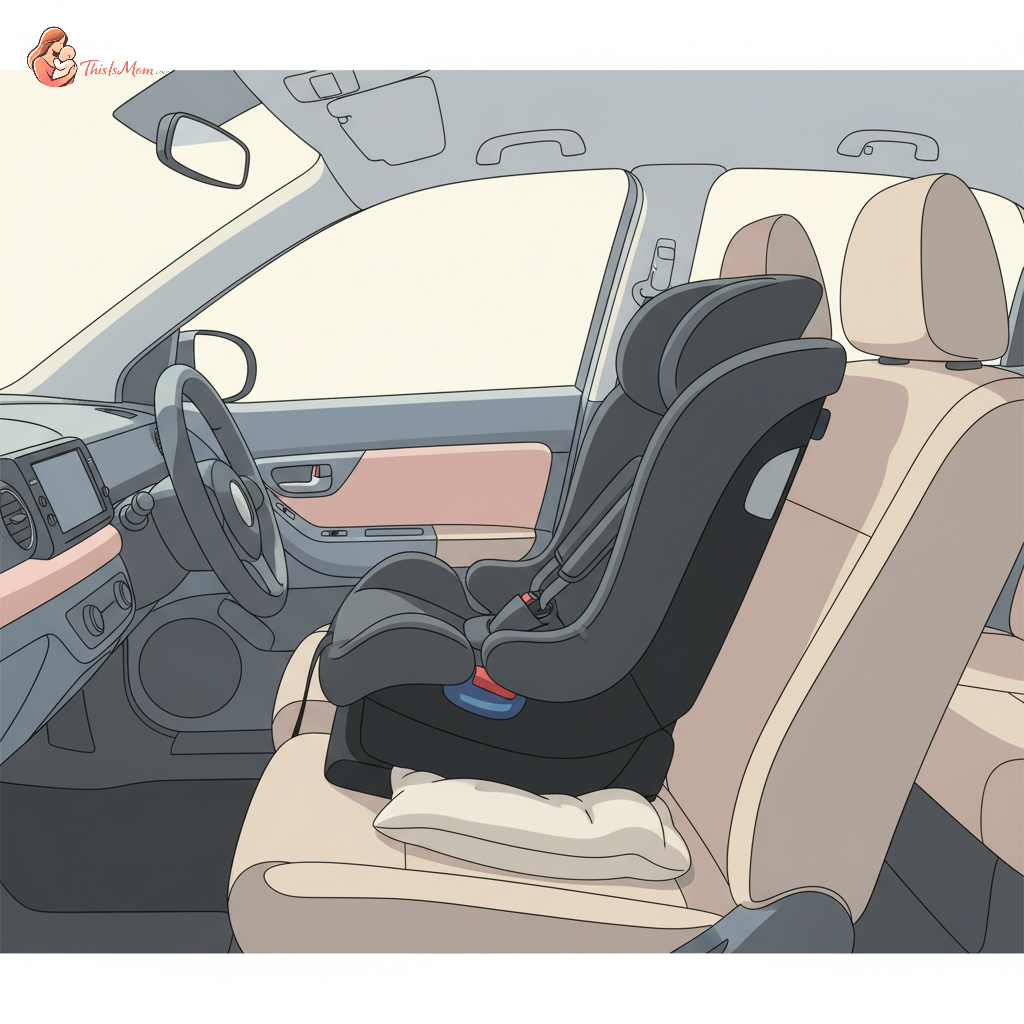
The Ultimate Guide to Convertible Car Seats for Small Sedans (Rear-Facing)
In just a few minutes, you’ll know exactly which convertible car seat to buy for your compact car’s tight backseat — and which ones to skip. As a mom of twins and a former consultant who values efficiency, I’ve sifted through the specs and done the real-world testing. The struggle of fitting a safe, rear-facing convertible car seat in a small sedan without sacrificing all front-passenger legroom is real. This guide cuts through the noise.
My promise to you: no fluff, just decisions.
The Rear-Facing Squeeze: Why Compact Matters for Small Sedans
Most compact sedans aren’t built with a trio of infant car seats in mind. The backseat is often shallow and narrow, and when you add a bulky convertible car seat in its essential rear-facing position, things get cramped fast.
- The Small Car Conundrum: Compact sedans (think Honda Civic, Toyota Corolla, Mazda 3) often have limited backseat width and depth. This is the primary challenge for safe car seat installation. For parents with multiple children, understanding options like car seats for three across in Honda Odyssey can be a related concern for larger families in compact vehicles.
- The Balancing Act: You need a seat that’s safe for your child, comfortable enough for longer trips (if possible), and allows an adult to sit in the front passenger seat without their knees jammed against the dashboard.
- Convertible: Your Long-Term Solution: Convertible car seats are designed to grow with your child, starting rear-facing and then converting to forward-facing. This means you’re making a one-time purchase that lasts for years, making the initial fit crucial. Choosing a compact convertible car seat here is key.
What to Actually Look for in a Car Seat for a Compact Car
Don’t get lost in marketing jargon. When fitting a convertible car seat in a small car, focus on these practical features.
- Narrow Footprint & Compact Depth: This is non-negotiable. Look at the actual width and depth of the car seat. A seat that’s 17 inches wide is vastly different from one that’s 19 inches wide in a tight space. Many manufacturers don't prominently display depth, but it's critical for front passenger legroom. I've noted dimensions where they make a significant difference.
- Installation Ease in Tight Spots:
- Recline Adjusters: A multi-position recline lever that’s accessible from the front or side makes a huge difference when you can’t easily maneuver around the seat.
- Bubble Levels: Built-in indicators that confirm the correct recline angle are invaluable when you have limited space to eyeball it.
- Rigid LATCH: If your car and car seat have it, rigid connectors can sometimes make installation simpler and more secure in confined areas.
- US Safety Standards: Ensure the seat meets all Federal Motor Vehicle Safety Standards (FMVSS) set by the NHTSA. Look for the appropriate labels. The American Academy of Pediatrics (AAP) and CDC recommend keeping children rear-facing as long as possible, until they reach the height or weight limit of their convertible car seat. For newborns, understanding the drowsy but awake method for newborns can be key for establishing good sleep habits early on, complementing safe sleep practices.
Top Convertible Car Seats for Small Sedans (Rear-Facing)
I’ve tested these seats in compact vehicles. Here are the ones that passed the fit test for rear-facing car seat small backseat installations.
| Car Seat Model | Width (in) | Depth (in) (approx. rear-facing) | Key Strength for Small Cars | Best For | Skip If |
|---|---|---|---|---|---|
| Chicco KeyFit 30 | 17.5 | 24 | Very narrow, good value, often fits well. | Budget-conscious parents prioritizing narrowness. | Limited recline options may impact front-passenger space in some very small cars. |
| Graco SnugRide SnugFit 35 LX | 17.7 | 25 | Slim design, good recline adjustability for legroom. | Maximizing front passenger legroom while maintaining safety. | Can be a bit fiddly to get a perfect belt path installation compared to rigid LATCH options. |
| Britax Willow Brook | 17.0 | 26 | One of the narrowest seats available. | Absolute tightest spaces where width is the primary concern. | Recline angle can be less forgiving for front passenger legroom without careful adjustment. |
| Clek Foonf | 17.0 | 26 (rear-facing) | Extremely narrow, advanced safety features, built like a tank. | Ultimate safety and longevity in a compact package. | Heavy and pricey. Installation can require more effort due to its density. |
| UPPAbaby KNOX | 17.0 | 28 | Narrow width, comfortable padding, easy-to-adjust harness. | Parents willing to splurge for premium feel and features. | Significantly more expensive than other options. |
Discover your baby's phase
Note on Depth: Depth is measured from the back of the seat to the front of the recline foot. This is crucial for front passenger legroom. A seat that’s 24 inches deep will allow more legroom than one at 28 inches deep, all else being equal.
Our Top Picks:
- Best Overall Compact Convertible Car Seat: Britax Willow Brook. At 17.0 inches wide, it’s one of the slimmest seats on the market. It installs securely rear-facing and offers a good balance of safety and a relatively compact design. The ease of installation, especially with its straightforward LATCH system, is a win.
- Best for Front Passenger Legroom: Graco SnugRide SnugFit 35 LX. This seat offers a slightly wider (17.7 inches) but still manageable footprint. Its key advantage is the easily adjustable recline, which allows you to fine-tune the angle to maximize space for the front seat. For parents who frequently use rideshares, understanding the best car seat stroller combo for quick Uber rides can be a related consideration for urban mobility.
- Worth the Splurge for Narrow Fit: Clek Foonf. This seat is incredibly narrow at 17.0 inches. It’s built with an internal steel frame and a REACT-Safety system. While it's a heavier and more expensive option, its slim profile and robust safety features make it a standout choice for parents who need the absolute narrowest seat possible and are looking for a seat that will last.
Installation Tricks for a Snug Fit in Compact Cars
Getting a car seat for compact cars installed correctly is paramount, especially when space is tight.
- The Pool Noodle or Towel Trick: If your vehicle’s seat bench isn’t naturally flat, or if you need to achieve a specific recline angle for rear-facing, the AAP and NHTSA allow the use of tightly rolled pool noodles or tightly rolled towels underneath the car seat base. This helps create a stable, level installation. Never use these in forward-facing mode.
- Lock It Down:
- Seatbelt Installation: Route the seatbelt through the rear-facing belt path, buckle it, and then lock the seatbelt. Most modern car seat belts have an auto-retractor lock (pull the belt all the way out to hear a ratcheting sound, then feed it back in). You can also use a locking clip if your vehicle’s seatbelt doesn't have a built-in locking mechanism.
- LATCH Installation: Use the lower anchors (LATCH) if your car is equipped with them and you are within the weight limits specified by both the car seat and vehicle manufacturer. Make sure the LATCH strap is tight.
- The Inch Test: Once installed, grab the car seat at the base (not the top or sides) and try to move it side-to-side. It should not move more than one inch in any direction.
- Get Professional Help: Seriously. Find a certified Child Passenger Safety Technician (CPST) in your area. They can check your installation, teach you how to do it correctly, and often have experience with specific vehicle models. It’s a free service. Planning for a baby can involve many classes, and accessing free prenatal parenting classes online can be a great way to prepare for these and other aspects of early parenthood.
Real-World Fit: Car Seat Recommendations by Sedan Model
While I can’t test every single sedan and car seat combination, here’s how some popular compacts typically fare with these best compact convertible car seat options.
- Toyota Corolla / Honda Civic / Mazda 3 / Nissan Sentra: These are the workhorses of the compact sedan world. They generally do well with the narrower seats like the Britax Willow Brook and UPPAbaby KNOX. The Graco SnugRide SnugFit 35 LX is also a solid contender, especially if you need to position it so an adult can still comfortably use the front passenger seat. The Clek Foonf is a fantastic, albeit expensive, option for these cars if width is your absolute enemy. For those anticipating the arrival of a baby, learning about support for pregnant women and new parents can be vital.
- Subaru Impreza / Hyundai Elantra: Similar to the above, these vehicles will benefit from the slimmer seats. You might find that a slightly deeper seat like the Chicco KeyFit 30 (or its successor, the KeyFit 35) can work, but always check the front passenger legroom.
- Testing is Key: Always test fit a car seat in your specific vehicle before purchasing if possible. Many baby gear retailers allow this. Bring your car seat manual and your vehicle owner's manual.
- Check Your Vehicle Owner's Manual: Your car's manual has a dedicated section on car seat installation. It will tell you:
- Which seating positions are best for car seats.
- Weight limits for LATCH systems.
- Any specific instructions or restrictions for installing car seats. This is non-negotiable information.