Drowsy But Awake for Newborns: A US Parent's Guide
Learn the 'drowsy but awake' method for newborns in the US. Discover sleepy cues, step-by-step techniques, and common mistakes to help your baby sleep independently.
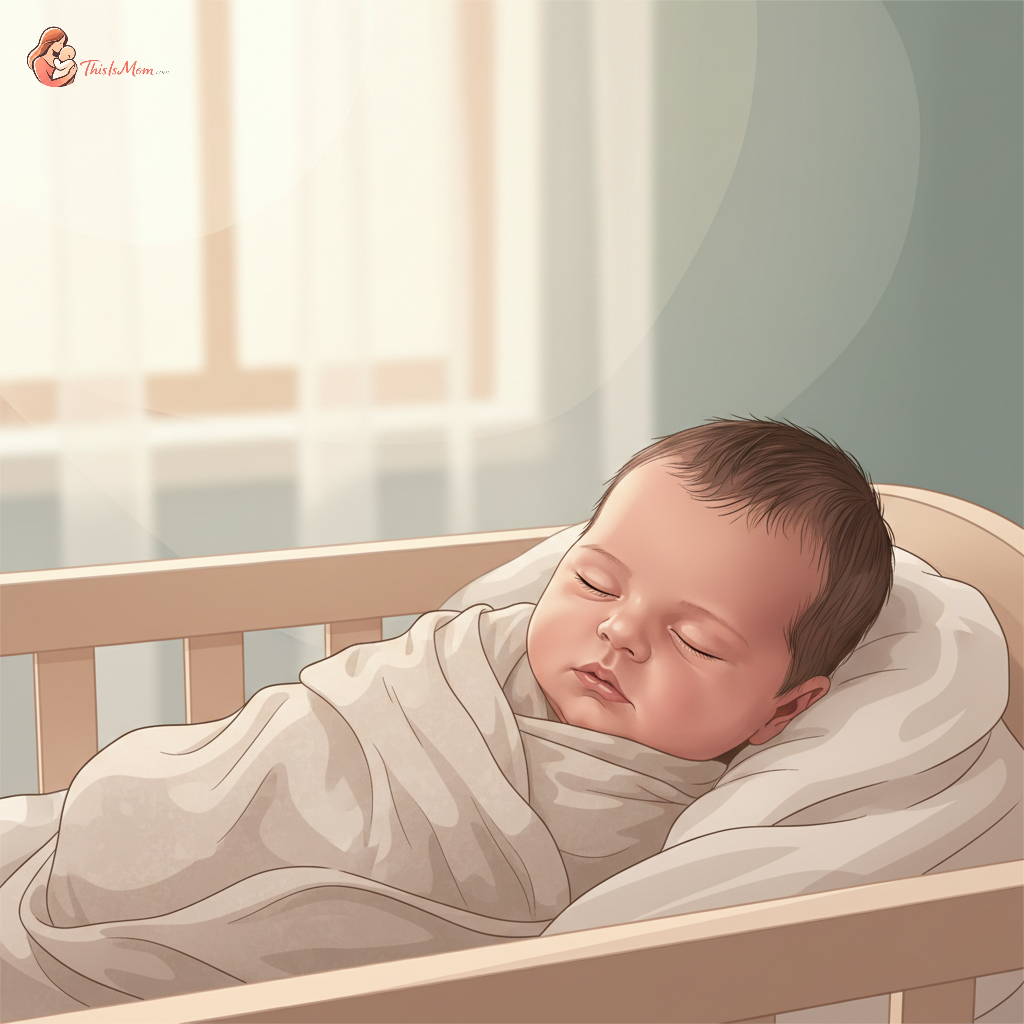
Drowsy But Awake for Newborns: A US Parent's Guide
Your newborn is finally asleep in your arms, a precious, fragile weight making you want to hold on forever. But soon comes the question: how do you get them from this peaceful state into their crib without a full wake-up? Understanding the drowsy but awake method is a foundational concept for encouraging independent sleep, a skill that benefits both baby and parents.
Understanding 'Drowsy But Awake': What Does It Really Mean?
The "drowsy but awake" method is a cornerstone of establishing healthy sleep habits for infants. It’s not about forcing a baby to fall asleep independently from scratch, but rather teaching them to settle themselves to sleep when they are showing clear signs of sleepiness, but before they are fully asleep.
The science behind independent sleep centers on helping your baby learn to connect sleep cycles. Newborns naturally wake between sleep cycles. If they always fall asleep with external help (like being rocked or fed), they may need that same help every time they transition from one cycle to the next. The goal of drowsy but awake is to give them the opportunity to practice transitioning to sleep on their own, reducing reliance on parental intervention throughout the night.
Spotting the Sweet Spot: How to Identify 'Drowsy'
Knowing when to put your baby down is key to the drowsy but awake technique. This means recognizing your baby's unique sleepy cues.
Key sleepy cues in newborns:
- Rubbing eyes
- Yawning
- Pulling at ears
- Becoming less active or staring blankly
- Decreased interest in feeding or playing
- Becoming fussy or clingy
It's important to distinguish between drowsy, tired, and overtired. Drowsy is that wonderful in-between stage, where their eyes might be heavy-lidded, they’re calm, and their movements are slowing down. Tired is when they’ve missed some cues and are starting to get a bit fussy. Overtired is when they’ve missed their sleep window entirely, leading to a second wind of frantic energy, increased fussiness, and difficulty settling.
The best time to attempt the drowsy but awake method is when you observe those early drowsy cues. This might be after a feeding and diaper change, or after a period of calm interaction.
Your Step-by-Step Guide to Drowsy But Awake for Newborns
Implementing the drowsy but awake technique requires a gentle approach and consistent effort. Here’s a practical guide for new parents.
Creating a calming pre-sleep routine
A predictable bedtime routine signals to your baby that it’s time to wind down. This doesn't need to be elaborate.
- Dim the lights: Lower the lighting in the room.
- Quiet activities: Engage in calm activities like a gentle massage, a soothing lullaby, or quiet reading.
- Feeding (if applicable): Offer a feeding. For many newborns, a full feeding is part of their winding-down process.
- Swaddling (optional): If your baby likes it, a snug swaddle can provide a sense of security.
Discover your baby's phase
The art of the gentle put-down
Once your baby is showing sleepy cues and has gone through their routine, it’s time for the put-down.
- Hold your baby securely and sway or rock gently until they appear very relaxed and their eyes are heavy-lidded.
- Carefully transfer them to their crib or bassinet. Try to place their bottom down first, then their head, to minimize startling.
- Keep your hands on them for a moment, offering gentle pats or shushing, before slowly removing them.
Responding when your baby fusses (and when not to)
It’s common for babies to stir or fuss a bit when put down. This is where patience comes in.
- Wait a moment: Before immediately intervening, give your baby a minute or two to resettle themselves. They might just be stretching or readjusting.
- Offer comfort: If they continue to fuss, try a gentle pat, a shush sound, or a pacifier (if you use one).
- When to pick up: If your baby becomes genuinely distressed, crying hard, or seems to be fully waking up, it’s okay to pick them up, comfort them, and then try again later or allow them to fall asleep in your arms and try the method at the next sleep opportunity.
Common Mistakes Parents Make and How to Avoid Them
Even with the best intentions, parents can fall into common traps when trying the drowsy but awake technique.
- Waiting too long: The overtired trap. One of the biggest mistakes is missing the optimal sleepy cues. When a baby is overtired, their stress hormones increase, making it much harder for them to settle down. Always try to catch them in that "drowsy" window. This is closely related to new parent fatigue risks driving, as being overtired can significantly impact alertness and safety.
- Not giving your baby enough space to learn. While it’s tempting to scoop them up at the first sign of a murmur, babies need a chance to practice self-soothing. Resist the urge to rush in immediately unless they are in genuine distress. This is part of the learning process that can eventually lead to baby cries when put down for sleep: why & what to do.
- Inconsistency: Why routine matters. The drowsy but awake technique, like most sleep strategies, works best with consistency. If you only try it sporadically, your baby won’t have enough opportunities to learn. Aim for a consistent approach at each sleep time.
- Confusing hunger with sleepiness. Newborns need to eat frequently. Ensure your baby has had a full feeding before attempting to put them down drowsy but awake. If they are genuinely hungry, they will wake up and cry for food, not just fuss for a moment. Understanding a baby's needs is crucial, whether it's for sleep, food, or comfort. For instance, some parents might worry if their baby cries when put down for sleep, when the real issue could be hunger or another discomfort that needs addressing.
When to Talk to Your Pediatrician About Sleep Concerns
While the drowsy but awake method is a valuable tool, it’s not a one-size-fits-all solution, and sometimes professional guidance is needed.
Signs that Drowsy But Awake might need adjustment:
- Your baby consistently struggles to settle for more than a few minutes.
- Your baby seems to wake up immediately and cry for extended periods after being put down.
- You are experiencing significant parental exhaustion or distress related to sleep. New parent fatigue can be a significant factor here, impacting your ability to manage sleep challenges.
- Your baby isn’t gaining weight appropriately, which could indicate feeding issues that impact sleep.
General guidance on healthy newborn sleep patterns (AAP recommendations):
The American Academy of Pediatrics (AAP) emphasizes safe sleep practices and notes that newborn sleep is often fragmented. They recommend that babies sleep in their own crib or bassinet, on their back, in the same room as parents, for at least the first six months. They also highlight that newborns typically sleep in short stretches of 2-4 hours around the clock, with total sleep varying greatly. While the AAP doesn't specifically endorse a "drowsy but awake" method, their guidelines support creating a safe and consistent sleep environment, which is conducive to practicing such techniques. For parents concerned about sleep space, a compact crib for small apartment living can be a great solution.
Navigating newborn sleep can feel like a puzzle. Remember that every baby is an individual, and what works for one might not work for another. Be patient with yourself and your little one. The goal is progress, not perfection, and focusing on consistent, gentle habits can lay a strong foundation for peaceful sleep.