New Parent Fatigue Risks Driving: Stay Safe on the Road
Discover the hidden dangers of new parent fatigue while driving. Learn to recognize symptoms of drowsy driving and implement practical strategies to ensure safety for you and your baby.
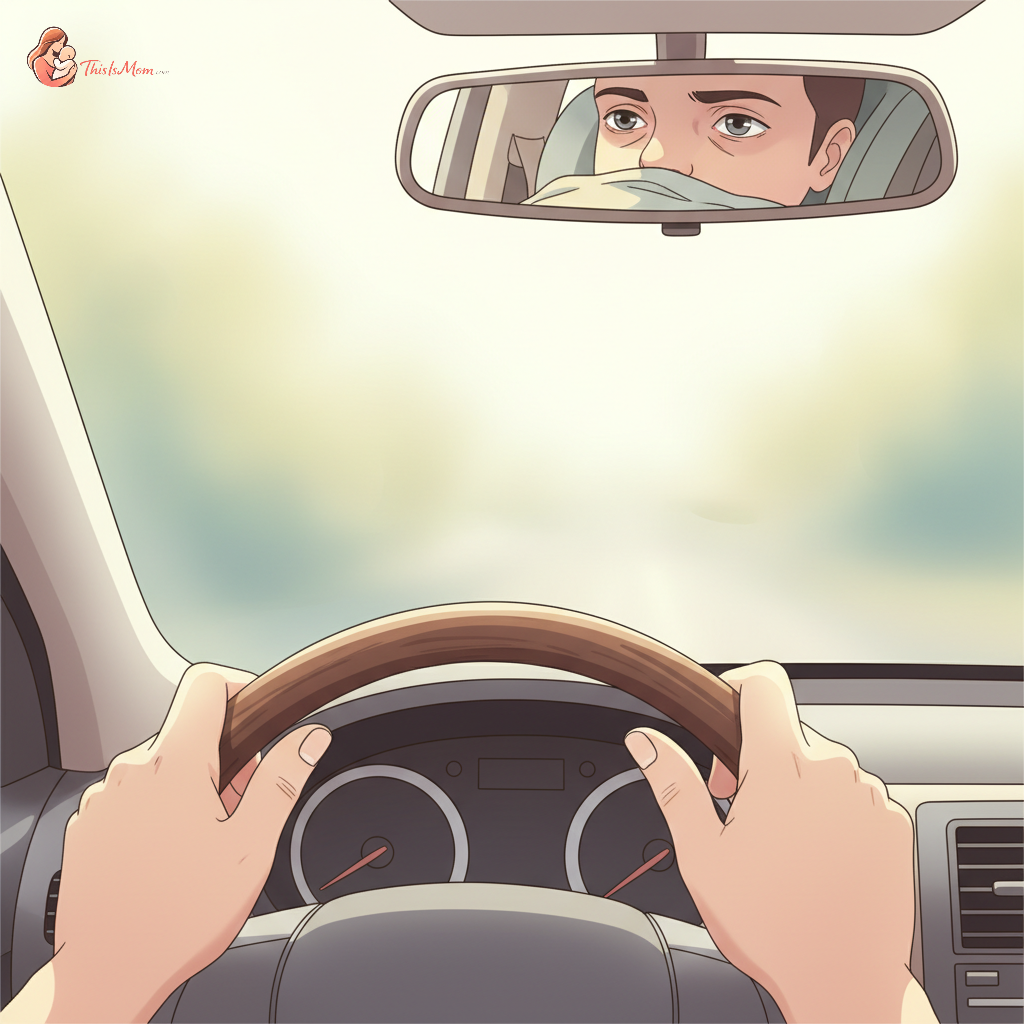
- Fragmented Sleep: Newborns and young infants require frequent feeding and comforting throughout the night, leading to broken, insufficient sleep for parents. The experience of baby only falls asleep nursing at night can contribute to this fragmented sleep.
- Physical Recovery: For birthing parents, physical recovery from childbirth adds another layer of exhaustion. Managing C-section scar sensitivity when lifting your toddler daily is a common concern.
Red Flags: Recognizing When You're Too Tired to Drive
Knowing your own limits is crucial. There are clear signs that you have crossed the threshold from merely tired to dangerously sleep-deprived and unsafe to drive. Ignoring these signals is a significant risk.
Common Symptoms of Drowsy Driving
The Centers for Disease Control and Prevention (CDC) identifies several common symptoms of drowsy driving. If you experience any of these, it's time to pull over and rest. These can be exacerbated by general parental burnout or anxiety.
Self-Assessment: The 'Am I Safe to Drive?' Checklist
Before you start your engine, take a moment for a quick self-assessment. The fatigue-parenting-car-safety dilemma is best managed by honesty with yourself.
- How much sleep did I get last night? (Be realistic, not aspirational.)
- How long has it been since I had a break?
- Am I feeling unusually irritable or having trouble concentrating?
- Have I experienced any of the red flag symptoms listed above?
- Is this trip essential right now, or can it wait?
If your answers raise concerns, even minor ones, it's safer to postpone your drive or find an alternative. For example, if the need for groceries is pressing, consider delivery services or asking for help.
Practical Strategies for Safer Drives (Even When You're Exhausted)
Navigating the roads with a baby in the car while sleep-deprived requires a proactive and pragmatic approach. The goal isn't to eliminate all driving while tired, but to implement strategies that minimize risk.
When to Pull Over: The Power Nap Protocol
If you start experiencing symptoms of drowsiness while driving, the American Academy of Pediatrics (AAP) guidelines, while not directly about driving fatigue, emphasize the importance of rest for overall well-being. For driving, the rule of thumb is clear: pull over immediately if you feel drowsy. A short 15-20 minute power nap can significantly improve alertness. Find a safe rest stop or well-lit parking lot. Avoid napping in your car on the side of the road. If you have a partner, sharing night duties can help avoid such extreme fatigue, as discussed in guides on dropping night feedings.
Rethinking Errands: Batching, Delivery, and Asking for Help
Adjusting your expectations around errands can make a huge difference.
Discover your baby's phase
- Batching: Consolidate multiple stops into a single outing when you feel most alert.
- Delivery Services: Utilize grocery delivery, curbside pickup, and online shopping to avoid unnecessary trips altogether.
- Accept Support: If friends or family offer to help with errands, say yes! This is a crucial time to lean on your support network.
Proactive Planning: Minimizing Fatigue Before You Hit the Road
The best way to manage new parent driving safety concerns is to plan ahead, reducing the likelihood of needing to drive when critically sleep-deprived.
Optimizing Your Baby's Car Routine for Your Rest
Consider your baby’s sleep patterns when planning your driving.
- Drive During Naps: If possible, schedule necessary trips during your baby’s predictable nap times. This can allow for a quieter, less demanding drive, and you might even have a sleeping baby for a more peaceful journey.
- Avoid Peak Fatigue Times: If you know you are at your most tired between 2-4 PM or after midnight, try to schedule essential driving outside these windows.
Sleep Hygiene Tips for Fragmented Sleep Schedules
While achieving a full night's sleep is unlikely with a newborn, optimizing the sleep you do get is essential. The Mayo Clinic offers advice on sleep hygiene that can be adapted. For mothers pumping, maintaining a consistent pumping schedule can also impact overall rest.
- Sleep When the Baby Sleeps: This is classic advice for a reason. Even short naps can help combat extreme fatigue.
- Create a Restful Environment: Make your bedroom as dark, quiet, and cool as possible to maximize sleep quality.
- Share Nighttime Duties: If you have a partner, divide nighttime wake-ups to allow for longer stretches of sleep for each of you.
- Limit Screen Time Before Bed: The blue light from screens can interfere with sleep-inducing hormones.
Preparing Your Car: Essentials for a Safer Drive
A well-prepared car can mitigate some of the risks associated with parent exhaustion road risks.
- Snacks and Drinks: Keep water and easy-to-eat, healthy snacks accessible to help you stay hydrated and energized.
- Comfortable Clothing: Wear comfortable, loose-fitting clothes to avoid discomfort that can add to your fatigue.
- Entertainment: Have a playlist of uplifting or engaging music ready to help keep you alert.
- Emergency Kit: Ensure you have a basic emergency kit, including first-aid supplies, in case of unexpected issues.
Prioritizing Rest: It's Not Selfish, It's Essential Safety
The demands of new parenthood can create immense pressure to "do it all." However, consistently pushing yourself beyond your physical and mental limits, especially when it comes to driving, puts everyone at risk. Recognizing that prioritizing rest is not a luxury but a necessity for safe driving is a fundamental shift in perspective. It allows you to be the present, capable parent your baby needs, both at home and on the road.