Early Signs of Cholestasis in 3rd Trimester: What to Watch For
Learn the early signs of cholestasis in the third trimester. Understand symptoms like intense itching, when to seek medical advice, and how it's managed.
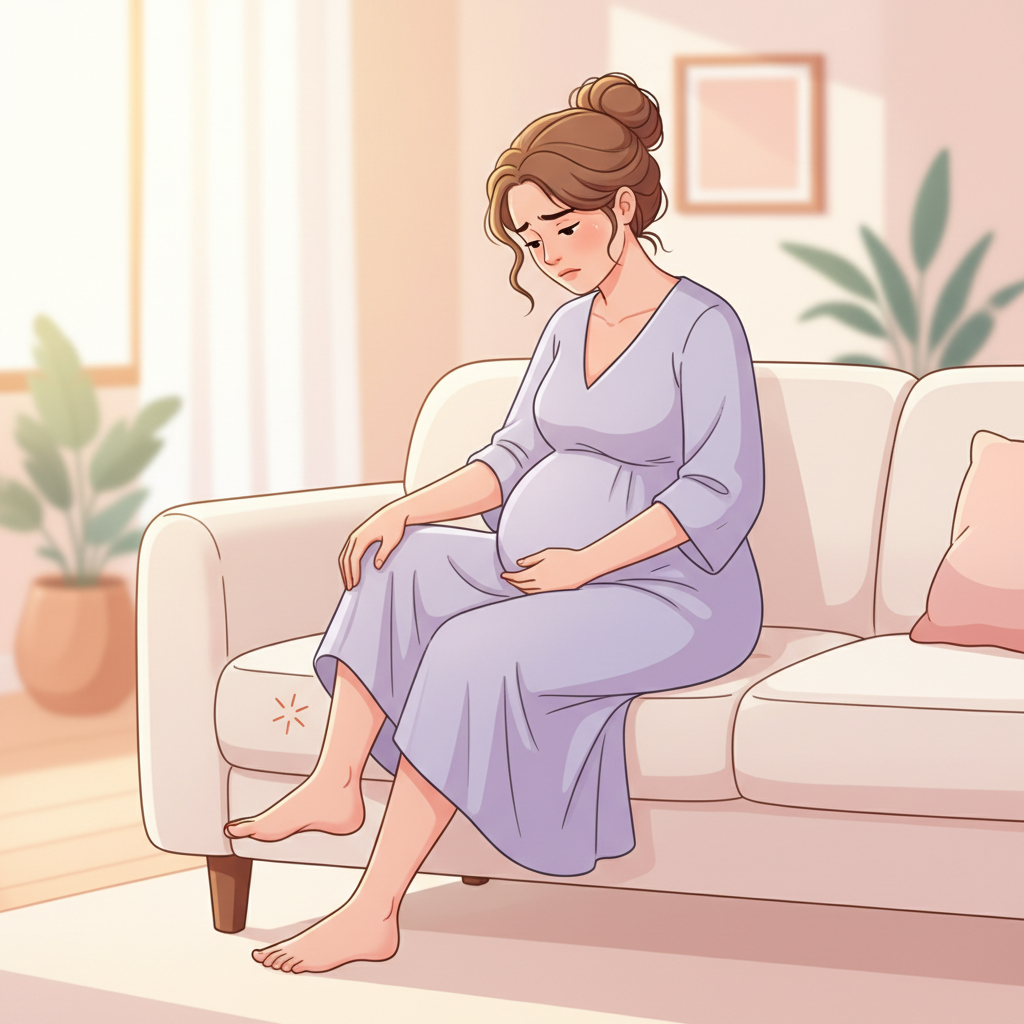
Navigating Third Trimester Itching: Subtle Signs of Cholestasis to Watch For
Your skin suddenly feels intensely itchy, especially on your hands and feet, and you're wondering, "what are early signs of cholestasis in third trimester?" It's a common question, as many expectant mothers experience new or worsening discomforts in the third trimester. While some itching can be a normal part of pregnancy, a specific condition called intrahepatic cholestasis of pregnancy (ICP) requires timely medical evaluation. Understanding the subtle differences can make all the difference in ensuring a healthy outcome for both you and your baby.
Understanding Cholestasis of Pregnancy
Cholestasis of pregnancy, often referred to as intrahepatic cholestasis of pregnancy (ICP), is a liver disorder that affects some pregnant individuals. Essentially, the normal flow of bile from your liver to your small intestine slows down or stops. Bile is a fluid that helps digest fats and remove waste products from the body. When bile flow is impaired, waste products, including bile acids, can build up in your bloodstream.
This buildup is significant because while it can cause uncomfortable symptoms for the pregnant person, high levels of bile acids have been linked to potential risks for the baby. This is why it's important to be aware of the condition and its signs, even if it's considered relatively rare.
Pinpointing the Early Warning Signs
The hallmark symptom of cholestasis of pregnancy is intense itching, often described as unbearable or maddening. This itching typically:
- Starts in the palms of the hands and soles of the feet.
- Can spread to the arms, legs, abdomen, and back.
- Is often worse at night, disrupting sleep significantly. You might find yourself struggling with baby waking every hour 5 months – a good night's sleep is precious and hard to come by when intensely uncomfortable.
- Does not usually present with a rash or bumps, though scratching can lead to irritation.
While itching is the most prominent symptom, other subtle clues might emerge. Some individuals report darker urine or pale stools, though these are not always present. A general feeling of fatigue or mild abdominal discomfort can also occur.
When does cholestasis typically start in pregnancy? The Mayo Clinic notes that ICP most commonly develops in the third trimester, often after 28 weeks of gestation. However, it can sometimes appear earlier in the pregnancy.
Differentiating Normal Pregnancy Discomforts from Cholestasis
Many common third-trimester ailments can mimic the symptoms of cholestasis, making it challenging to distinguish. Normal pregnancy skin changes can lead to itching due to stretching skin, hormonal shifts, or even mild allergies. You might experience:
Discover your baby's phase
- Dry skin: A common complaint in pregnancy.
- Stretch marks: As your belly grows, the skin can become itchy.
- PUPPP (Pruritic Urticarial Papules and Plaques of Pregnancy): A very common, intensely itchy rash that typically appears on the abdomen and thighs, often with red, raised bumps. This is generally different from the itching of ICP, which usually lacks a prominent rash.
- Hemorrhoids or constipation: These can cause localized itching in the anal area, unrelated to cholestasis. If you are experiencing toddler constipation: 10 natural fixes when starting solids, you know how uncomfortable localized itching can be, but ICP itching is typically more widespread and intense.
The key distinction with cholestasis is the specific pattern of itching – the severe, pervasive nature, particularly on the palms and soles, and its persistence without a clear rash. If you have itching that is severe, doesn't resolve with typical remedies, and is concentrated in specific areas, it warrants a closer look.
When to Seek Prompt Medical Advice
If you suspect you are experiencing cholestasis of pregnancy, it’s crucial not to wait. Early diagnosis and management are key to ensuring the well-being of your baby. The American College of Obstetricians and Gynecologists (ACOG) emphasizes the importance of reporting any persistent or severe itching during pregnancy to your healthcare provider.
Don't hesitate to call your doctor or midwife if:
- You have severe itching, especially on your hands and feet, that is present at night.
- The itching is accompanied by any of the less common signs like changes in urine or stool color.
- You have a history of cholestasis in a previous pregnancy.
At your appointment, your healthcare provider will likely ask detailed questions about your symptoms, examine your skin, and may order blood tests to check your liver function and bile acid levels. These tests are essential for confirming a diagnosis of ICP.
Navigating Cholestasis During Pregnancy: A Brief Overview
Once diagnosed, cholestasis of pregnancy can be managed effectively under medical supervision. The primary goal of treatment is to reduce bile acid levels and monitor the baby's well-being.
Available treatments often include medication, such as ursodeoxycholic acid (UDCA), which helps to improve bile flow and reduce pruritus (itching). Your doctor will determine the appropriate dosage and monitor your response.
Regarding delivery, for moderate to severe cases of cholestasis of pregnancy, guidelines often recommend delivery by 37 weeks of gestation. This is a precautionary measure to reduce the risk of stillbirth, which is a known, though rare, complication associated with ICP, particularly in the later stages of pregnancy. Your healthcare team will discuss the timing of delivery based on the severity of your ICP, the levels of bile acids, and the well-being of your baby.
While the thought of cholestasis can be concerning, being informed about the early signs and understanding when to reach out to your healthcare team empowers you to navigate this condition with confidence.