Toddler Constipation: 10 Natural Fixes When Starting Solids
Is your toddler constipated after starting solids? Discover 10 natural and gentle ways to manage discomfort with dietary tweaks, massage, and smart routines.
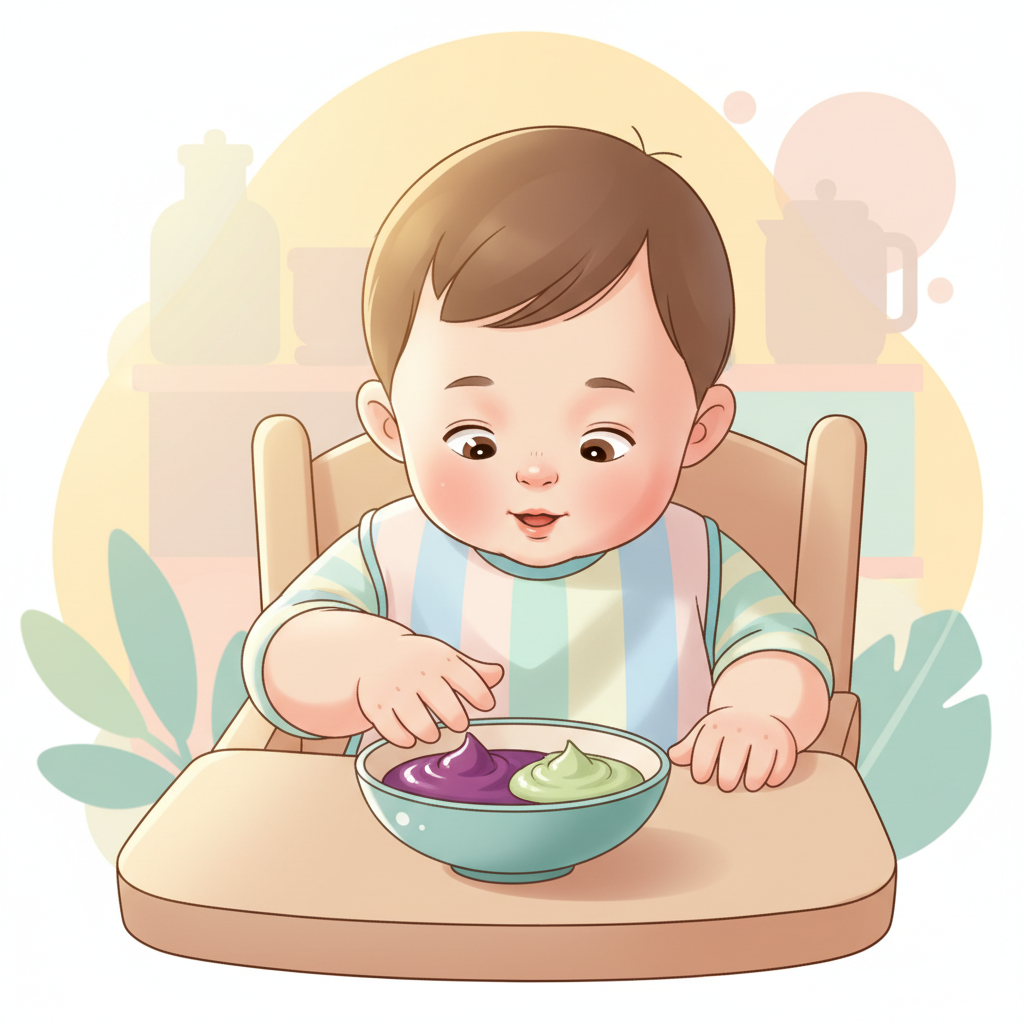
Manage Toddler Constipation When Starting Solids Naturally
Your baby is starting solids, a huge milestone! You're excited about new tastes and textures, but then you notice a change in their diaper output. They seem uncomfortable, and you're wondering: how to manage constipation for a toddler starting solids naturally? It's a common concern when introducing new foods, and thankfully, there are very effective, gentle ways to help your little one adjust.
This transition can sometimes lead to temporary constipation, meaning your baby might have fewer bowel movements or pass hard, dry stools. Understanding why this happens and what to do can ease your worry. We'll look at the signs, dietary adjustments, simple remedies, and when it's time to involve your pediatrician.
Why Poop Changes When Solids Arrive
Introducing solid foods means your baby's digestive system is encountering new types of food, different fiber levels, and varying amounts of fluid. This can naturally alter their bowel habits.
Is Your Baby Constipated or Just Adjusting?
The American Academy of Pediatrics (AAP) notes that it's normal for bowel movements to change frequency and consistency when starting solids. A good rule of thumb is to look at the type of stool, not just the frequency.
Signs of constipation can include:
- Hard, dry, or pellet-like stools
- Straining or grunting during bowel movements
- Crying or fussiness during or after pooping
- Less frequent stools than usual (though "usual" can vary greatly)
- Small streaks of blood on the surface of the stool from straining
When to Seek Pediatrician Advice
While some changes are to be expected, certain signs warrant a call to your pediatrician. The AAP advises contacting your doctor if your baby:
- Hasn't had a bowel movement in more than a week
- Is refusing to eat
- Is showing signs of significant discomfort or pain
- Has blood in their stool beyond a tiny streak from straining
- Has a distended or very firm abdomen
Mayo Clinic also emphasizes that if constipation is persistent or severe, medical guidance is important.
Dietary Tweaks for a Happy Tummy
Your baby's diet is the most direct way to influence their bowel regularity now that solids are on the menu. The goal is to introduce a balance of nutrients and fiber.
Fiber-Rich Foods for Poop Power
Certain fruits and vegetables are packed with fiber, which helps soften stools and promote regular bowel movements. Think of these as your "P-foods for Poop!"
- Fruits: Prunes, pears, peaches, plums, and apricots are excellent choices. Pureeing these and offering them in small amounts can be very effective. For example, prunes and pears are great for babies.
- Vegetables: Peas, beans, and sweet potatoes are also good sources of fiber.
- Whole Grains: As you introduce grains, options like oatmeal or barley can contribute to fiber intake.
The AAP suggests gradually introducing a variety of these fiber-rich foods.
Fluid Focus: Hydration is Key
Adequate fluid intake is crucial for digestion and preventing constipation.
- Breast milk or formula: Continue to offer plenty of breast milk or formula as the primary source of nutrition.
- Water: Once solids are introduced, you can offer small amounts of water (a few ounces) with meals, especially if your baby is eating dry foods. The CDC recommends that babies under 6 months should not have water unless medically indicated, but after starting solids, small amounts can be beneficial.
When your baby is constipated after starting solids, ensuring they are well-hydrated is paramount.
Avoiding Common Culprits
Some foods, while nutritious, can be constipating for some babies.
- High-Protein Foods: While important, too much protein from sources like dairy (cheese, yogurt – unless it contains probiotics) or excessive amounts of meat can sometimes contribute to harder stools.
- Refined Grains: White bread and white rice are lower in fiber than their whole-grain counterparts and may slow digestion for some.
- Bananas: While a healthy food, slightly less ripe bananas can sometimes be constipating for a few babies. Ripe bananas are generally better.
It's about balance; these foods don't need to be eliminated entirely but offered in moderation.
Gentle Strategies & Natural Remedies
Beyond diet, a few simple, non-medical approaches can make a big difference for a constipated baby.
Movement Matters: Encouraging Physical Activity
As your baby becomes more mobile, increased physical activity can help stimulate their bowels.
Discover your baby's phase
- Tummy Time: Even for older babies, supervised time on their tummy can encourage digestion.
- Leg Exercises: Gently "bicycling" your baby's legs can stimulate the intestines.
Massage Magic: Simple Tummy Rubs for Relief
A gentle abdominal massage can help move things along.
- With your baby lying on their back, use your fingertips to gently massage their tummy in a clockwise direction.
- You can also try a "bicycle" motion with their legs.
- Always be very gentle and stop if your baby seems uncomfortable.
Warm Baths and Other Calming Techniques
A warm bath can relax your baby's abdominal muscles and may help ease discomfort. Combine this with gentle tummy massage afterward for added benefit. Sometimes, simply providing a comforting and calm environment can help.
Should I Stop Solids if Baby is Constipated?
This is a question many parents ask. The answer is usually no, you don't necessarily need to stop solids if your baby is constipated. Instead, the focus should be on adjusting the types of solids offered and ensuring adequate hydration.
If constipation is a persistent issue, it might indicate that certain foods are not agreeing with your baby, or that the transition needs more careful management.
Routines & Habits for Regularity
Establishing consistent routines can support your baby's digestive health as they grow.
Consistent Meal Times: A Daily Rhythm for Digestion
Offering meals and snacks at predictable times can help regulate your baby's digestive system. This helps their body anticipate food and prepare for digestion and elimination.
Potty Practice (for Older Toddlers): Connecting the Dots
For toddlers who are starting to show signs of potty readiness, encouraging them to sit on the potty after meals can help them recognize and respond to the urge to poop. This is more relevant for older toddlers, not typically for babies just starting solids.
How Often Should Baby Poop After Starting Solids?
The frequency of bowel movements can vary significantly from baby to baby, and even day to day. For exclusively breastfed babies, it's not uncommon to poop only once every few days or even less. After starting solids, especially if constipating foods are introduced without enough fiber or fluid, it could be anywhere from once a day to once every couple of days. As long as the stools are soft and passed without significant discomfort, any frequency is generally considered normal for your baby.
Addressing Specific Concerns
Let's tackle some common questions parents have about baby constipation when starting solids.
Baby Not Pooping for 3 Days After Starting Solids: What to Do
If your baby has not pooped for three days after starting solids, and you notice hard stools or considerable discomfort, it's a good time to implement some dietary adjustments.
- Increase offerings of P-foods: prunes, pears, peaches. You can learn how to make purees for constipation relief.
- Ensure adequate fluid intake from breast milk/formula and small sips of water.
- Try gentle massage and tummy exercises.
If these steps don't lead to a bowel movement within another day or two, or if your baby seems very distressed, it's time to call your pediatrician.
Breastfed Baby Not Pooping After Starting Solids: Is It Different?
Breastfed babies tend to have softer, more frequent stools initially. When they start solids, their stool patterns will change regardless of whether they are still primarily breastfed. The principles for managing constipation remain the same: introduce fiber-rich foods, ensure hydration, and encourage movement. The fact that they are breastfed means they are getting excellent nutrition and easy-to-digest fats, which is always beneficial.
Tips for 6-Month-Olds Starting Solids and Constipation
For a 6-month-old, introducing purees is common. Focus on fruits and vegetables known for their stool-softening properties.
- Start with single-ingredient purees so you can identify any reactions.
- Offer prune, pear, or peach puree in small amounts (1-2 teaspoons) once a day.
- As you introduce other purees like sweet potato or peas, balance them with the P-foods.
- Remember to offer water with meals.
The research suggests that gradual introduction and observation are key.
This phase of starting solids can feel a bit overwhelming, but remember that it's a learning process for both you and your baby. By focusing on a balanced diet rich in fruits and vegetables, ensuring plenty of fluids, and employing gentle comfort measures, you can help your little one navigate this transition smoothly.