Encourage 18-Month-Old to Walk: 5 Gentle Tips & Activities
Help your 18-month-old walk independently with gentle encouragement, safe environments, and fun activities. Learn pediatrician-backed tips and what to expect.
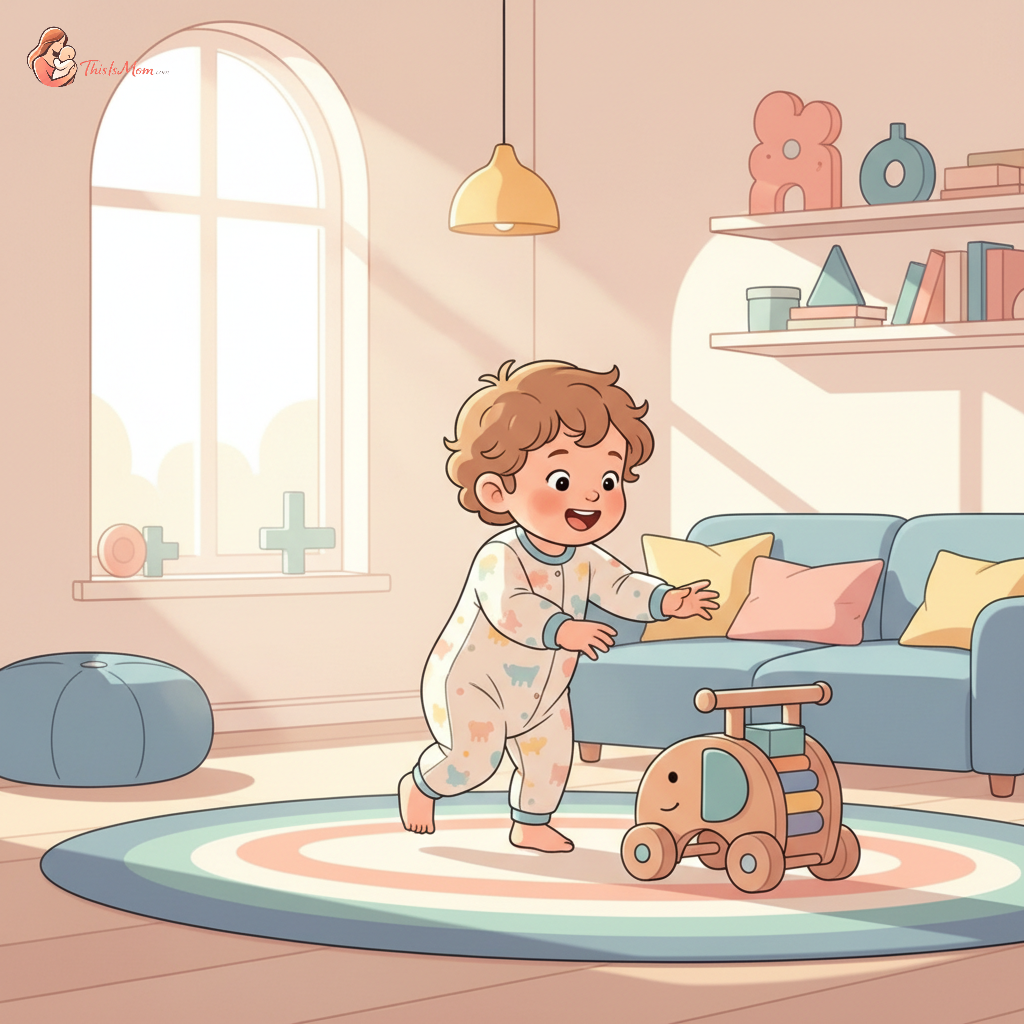
- The Tremendous Toddler Tread: Guiding Your 18-Month-Old Towards Independent Steps
Before you worry about the next big milestone, take a moment to simply watch your 18-month-old. What are they drawn to? How do they move their body in new ways? Observe their explorations with their feet. This quiet observation is your first and most powerful tool when considering how to encourage an 18-month-old to walk independently. It’s a messy, beautiful dance of growth, and our role is often to clear the path, not to rush the steps.
The journey to independent walking is unique for every child. While many toddlers achieve this feat between 9 and 18 months, there’s a wide range of what’s considered typical. If your 18-month-old isn't walking independently yet, remember that development isn't a race. The focus should always be on supporting their natural progression, not comparing it to others.
Navigating the Walking Timeline Together
Understanding the general timeline can be reassuring, but it’s crucial to remember that these are guidelines, not strict deadlines.
What's 'Normal' for Walking Milestones?
Most babies begin taking their first independent steps sometime between their first birthday and 18 months. By 18 months, a significant majority of toddlers are walking, though their gait might still be a bit wobbly. They may transition between cruising furniture and walking a few steps on their own. Some might be more confident on their feet, while others prefer to crawl or cruise.
Why Some Toddlers Walk Later: Common Reasons
There are many reasons why a child might walk a little later than average. Sometimes, it’s simply a matter of temperament; the child is perfectly capable but more cautious. Other times, the child might be intensely focused on developing other skills, like language or fine motor abilities.
It’s also worth considering their opportunities for practice. Has the child had ample safe space and time to explore movement freely? Readiness is a complex interplay of physical development, cognitive engagement, and environmental encouragement. Research from organizations like the American Academy of Pediatrics suggests that while early milestones are exciting, variations are common and not always indicative of a problem. Sometimes, the 18-month-old not walking independently is simply a child who is developing at their own, carefully considered pace.
Invitations to Toddle and Explore
Our role as parents and caregivers is to create an environment that nurtures this burgeoning independence. This means preparing the space and offering simple, engaging invitations that allow the child to practice their developing skills in a supportive way.
Creating a Safe and Engaging Walking Environment
Safety is paramount. Clear any tripping hazards from your floors. Ensure furniture is stable, especially if the child is using it to cruise. Consider a soft rug or play mat in areas where they practice.
Think about offering a variety of textures and surfaces for them to navigate. Walking on grass, soft carpet, and smooth wood floors all engage different muscles and provide varied sensory input. A low table or a sturdy, stable piece of furniture can serve as a perfect "cruising" route, allowing them to move their body while holding on.
Games and Activities to Build Confidence (Without Pushing)
The goal is to make movement fun and rewarding, not a chore. Instead of direct instruction, we can offer playful opportunities.
Here are a few simple invitations you can prepare today:
- The "Push Toy" Parade: Offer a sturdy push toy, like a wooden wagon or a toy lawnmower that the child can hold onto and push. This provides stability while encouraging forward movement. Make sure it’s not too lightweight, so it doesn’t tip easily.
- Tunnel Exploration: A simple play tunnel provides a fun challenge. Crawling through it can build core strength, and then walking out the other side offers a sense of accomplishment.
- Object Movement: Place a favorite toy a short distance away, encouraging the child to walk to it. Gradually increase the distance as they gain confidence.
- Step-by-Step Transfers: Sit on the floor a short distance apart and encourage the child to walk from you to a stable object or person. This helps in understanding how to help an 18-month-old walk without holding hands.
- Music and Movement: Put on some gentle music and dance together. Encourage them to walk or toddle along with you, holding your hands lightly or just moving alongside you.
These activities are about playful interaction and providing gentle encouragement. The child-led nature of these play ideas is key to fostering genuine interest.
The Power of Positive Reinforcement
When your toddler takes a step or two, offer genuine, enthusiastic encouragement. A bright smile, a clap, and verbal praise like "You did it!" or "Look at you walking!" are incredibly motivating. Avoid over-the-top reactions that might startle them; keep it warm and supportive.
The most effective reinforcement is often the intrinsic satisfaction the child feels from achieving a new skill. Our role is to witness and celebrate that internal joy.
Discover your baby's phase
When to Support, When to Step Back
It's a delicate balance. We want to support our children's efforts without creating pressure or anxiety.
Tips for Encouraging Walking Without Holding Hands
Many parents ask how to help an 18-month-old walk without holding hands. The key is to gradually fade your support.
Start by holding just one hand, then perhaps just your finger lightly. You can also try holding a toy just out of reach, encouraging them to take a few steps independently to get it. Creating a safe space where they feel secure to experiment is crucial. They need the freedom to fall and get back up without feeling judged or rushed.
Avoiding Common Pitfalls (Walkers vs. Freedom)
Many pediatricians and child development experts advise against using infant walkers. These devices can actually hinder a child's development by allowing them to move before they are physically ready. They can also pose safety risks.
Prioritize opportunities for the child to practice on their own two feet, using furniture for support when needed. This allows them to develop the balance and coordination necessary for independent walking naturally. The focus should be on exploration and self-discovery.
Red Flags: When to Talk to Your Pediatrician
While variations in walking timelines are common, there are certain signs that might warrant a conversation with your pediatrician.
Key Signs Indicating a Potential Delay (What Can Delay a Toddler's Walking?)
If your child has not yet stood independently by 18 months, or if they show significant asymmetry in their movements (e.g., always favoring one side), it's worth a discussion. Another indicator might be if the child isn't bearing weight on their legs.
A toddler walking delay could sometimes be related to underlying physical issues, muscle tone differences, or neurological development. Trust your parental intuition. If something feels off, it’s always best to seek professional advice. Recognizing potential signs a baby will walk soon is also about observing their readiness, but being aware of when to seek further guidance is equally important.
Preparing for Your Pediatrician Visit
If you have concerns, jot down notes about your child's movement milestones, anything you’ve observed that seems unusual, and the types of activities you’ve been offering. This information will be helpful when you speak with the pediatrician. They can assess your child's overall development and provide tailored advice.
Your Toddler's Unique Journey: Celebrating Every Step
The most profound encouragement we can offer is our patience and unwavering presence. Each child walks their own journey at their own rhythm.
Patience and Presence: The Best Encouragement
Your calm confidence in their ability to learn and grow is a powerful force. Celebrate the small victories: a wobbly step, a successful cruise, the moment they stand tall for a second longer. These are all triumphs!
Focus on creating a nurturing and playful atmosphere where exploration is encouraged. Let your child lead the way, and celebrate all the wonderful things they are learning to do.
Focusing on Overall Development
Remember that walking is just one aspect of your toddler's incredible development. They are also mastering language, social skills, and complex fine motor abilities.
By providing a rich, responsive environment and observing your child’s cues, you are laying the foundation for a lifetime of learning and growth. Celebrate their unique pace, and trust in their amazing capacity to explore the world on their own two feet, one glorious step at a time.
This week, try setting aside just ten minutes each day to create a safe, open space for your toddler to move freely. Observe their chosen activities and offer a simple smile of encouragement when they gain a new bit of confidence.