Pediatric OT Recommended Toys for 2-Year-Olds
Discover the best pediatric occupational therapist-recommended toys for 2-year-olds. Foster fine motor, gross motor, sensory, and cognitive skills with smart play choices.
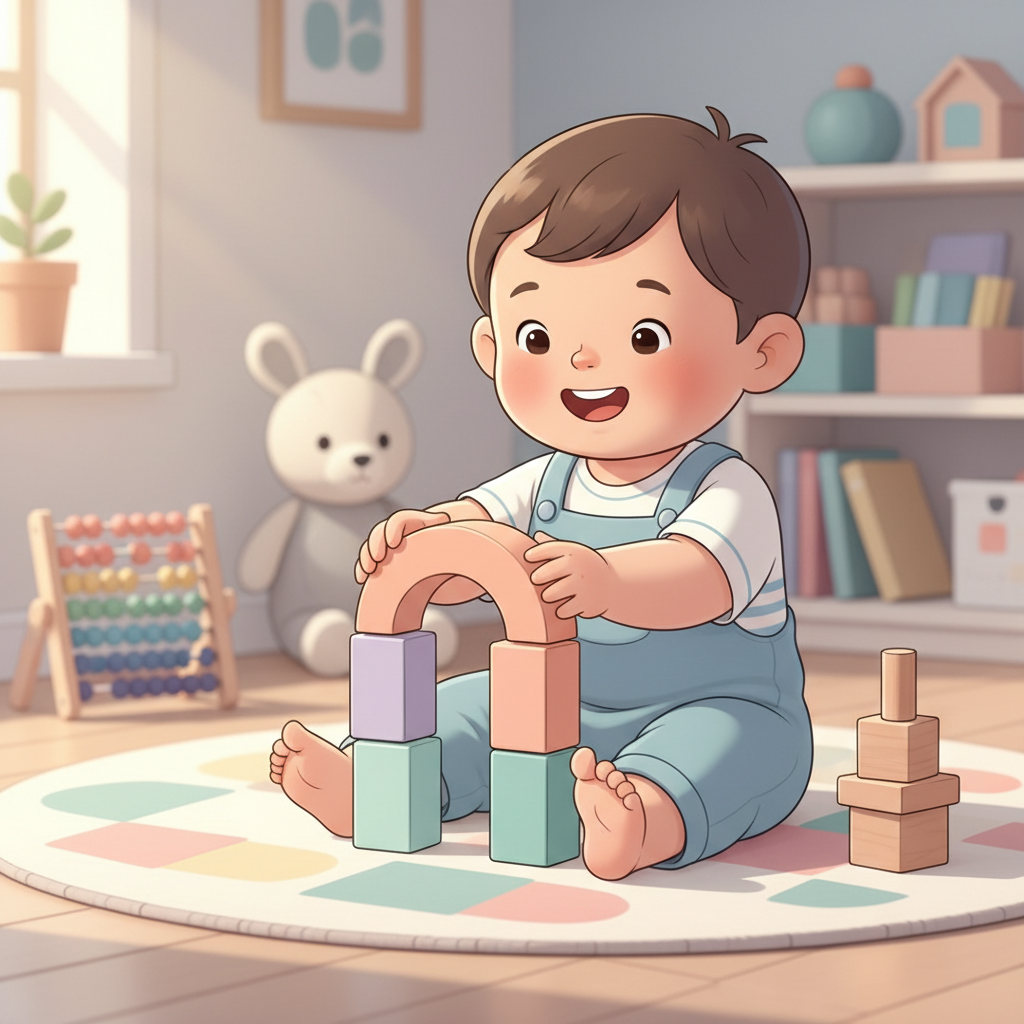
Pediatric Occupational Therapist Recommended Toys for 2-Year-Olds: A Developmental Guide
Your two-year-old is a whirlwind of energy and curiosity. You might wonder which toys can best support their rapidly developing skills. Pediatric occupational therapist-recommended toys for 2-year-olds go beyond mere entertainment; they are carefully chosen tools to foster crucial fine motor, gross motor, sensory, and cognitive growth. This guide breaks down what makes certain toys beneficial and offers a curated list to help you navigate the toy aisle.
Why OT-Recommended Toys Matter for Your Two-Year-Old
Pediatric occupational therapy toys for 2-year-olds are designed with a child's developmental stage in mind. They offer opportunities for purposeful play that builds foundational skills without feeling like a chore.
Beyond Just Fun: Developmental Play
Play is how young children learn. Toys recommended by occupational therapists are chosen because they encourage specific types of play that support a child’s milestones. This means toys that challenge them just enough, promoting problem-solving and skill refinement. For toddlers who may be resistant to new experiences, strategies to keep them calm during new situations can be incredibly helpful.
Understanding Different Skill Areas at Age Two
At two, children are typically developing in several key areas simultaneously. They are refining their ability to manipulate objects, improving their balance and coordination, exploring their senses, and beginning to engage in more complex imaginative play and simple communication. Occupational therapy toys for 2-year-olds specifically target these emerging abilities. For children who need extra support in communication, sensory activities for toddlers with speech delay can be a great resource.
Fine Motor Skill Boosters: Tiny Hands, Big Gains
Fine motor skills involve the small muscles in the hands and fingers, essential for tasks like writing, dressing, and eating. Toys that require precise movements are excellent for building this dexterity.
Stacking & Nesting Toys
Toys like stacking cups or nesting blocks encourage hand-eye coordination and the development of pincer grasp (using the thumb and forefinger). The American Academy of Pediatrics (AAP) highlights the importance of toys that allow children to explore cause and effect, like seeing how cups fit inside one another or stack taller. This skill refinement is crucial for future tasks. Managing these varied sizes helps children understand spatial relationships.
Puzzles & Shape Sorters
Simple puzzles with large knobs and chunky pieces, along with shape sorters, are fantastic for two-year-olds. These occupational therapy toys for 2-year-olds help develop problem-solving skills, visual-spatial awareness, and the precise finger movements needed to grasp and place objects accurately. The Mayo Clinic suggests that engaging with puzzles helps children develop their cognitive abilities.
Manipulative Play
Activities like threading large beads onto a string, playing with playdough, or using chunky tongs to pick up soft objects are invaluable. These fine motor challenges strengthen hand muscles and improve dexterity. Playdough, in particular, offers a wonderful sensory and manipulative experience. This level of fine motor control is also important when discussing how much added sugar is okay for a 2-year-old.
Gross Motor Skill Builders: Getting Those Wiggles Out
Gross motor skills involve the larger muscles of the body, important for walking, running, jumping, and balancing. Active play is key for developing these abilities.
Push and Pull Toys
As toddlers gain confidence in walking, push and pull toys encourage them to move their bodies. These toys help improve balance and coordination. The Centers for Disease Control and Prevention (CDC) notes that physical activity in early childhood is vital for healthy development.
Ride-On Toys (Foot-to-Floor)
Simple ride-on toys where children use their feet to propel themselves are excellent for developing leg strength, balance, and coordination. They are a step towards more complex biking skills later on. Successfully transitioning screen time to outdoor play can encourage the use of these toys.
Tunnels and Climbers
Discover your baby's phase
Small play tunnels or soft climbing structures offer opportunities for crawling, climbing, and navigating obstacles. These activities build strength, coordination, and body awareness, helping children understand their physical capabilities.
Sensory Exploration: Engaging All the Senses
Sensory play is crucial for brain development, helping children process information from their environment. The best toys for 2-year-old occupational therapy often incorporate rich sensory experiences.
Sensory Bins & Water Tables
Filling a bin or a low water table with safe materials like dried beans, rice, pasta, or water, along with scoops and cups, provides a rich sensory experience. Supervision is key, but these setups encourage exploration of textures, temperatures, and cause-and-effect.
Textured Balls and Toys
A collection of balls with different textures – smooth, bumpy, soft, squishy – can provide varied tactile input. Rolling, catching (or trying to catch), and throwing these balls also engages their gross motor skills. For busy toddlers, on-the-go snack pouches offer a convenient way to fuel their active play.
Cognitive & Communication Play: Thinking & Talking
Beyond physical skills, toys can foster cognitive growth, problem-solving, and early communication.
Dramatic Play & Pretend Toys
The best toys for 2-year-old occupational therapy often support imaginative play. Toy kitchens, play food, dolls, and dress-up items encourage children to mimic real-life scenarios, develop language, and practice social interactions. This type of play is a cornerstone for cognitive development.
Early Building Blocks
Simple wooden or large plastic building blocks encourage creativity, spatial reasoning, and problem-solving. Stacking and knocking them down also involves cause and effect. This is foundational for later, more complex construction.
Choosing the Best OT Toys for Your Child
When selecting toys, consider both safety and your child's individual developmental needs.
Safety First: What to Look For
Always check for age recommendations on toy packaging. Ensure toys are made from non-toxic materials and do not have small parts that could be a choking hazard for a two-year-old. The U.S. Consumer Product Safety Commission (CPSC) provides guidelines on toy safety.
Look for toys that are durable and easy to clean.
Beyond the Label: Adapting Toys for Individual Needs
While a toy might be marketed for a specific skill, remember that children develop at their own pace. You can often adapt toys to better suit your child. For example, a slightly more challenging puzzle might be made easier by only presenting a few pieces at first. Pediatric occupational therapy toys for autism may also benefit children with sensory processing differences, but always adapt based on your child's specific response.
Finding OT-Recommended Toys for 2-Year-Olds
Conclusion
You can find excellent pediatric occupational therapist-recommended toys for 2-year-olds on popular online retailers like Amazon, as well as in specialty toy stores and educational supply shops. Look for brands known for their commitment to child development and safety. When in doubt, reviews from other parents or recommendations from your child's therapist can be very helpful. If you're considering traveling with your little one, remember to pack age-appropriate entertainment.