Encourage Independent Dressing Skills: A Guide for 2-Year-Olds
Help your 2-year-old develop independent dressing skills with practical tips. Learn about timelines, toddler-friendly clothes, and playful strategies.
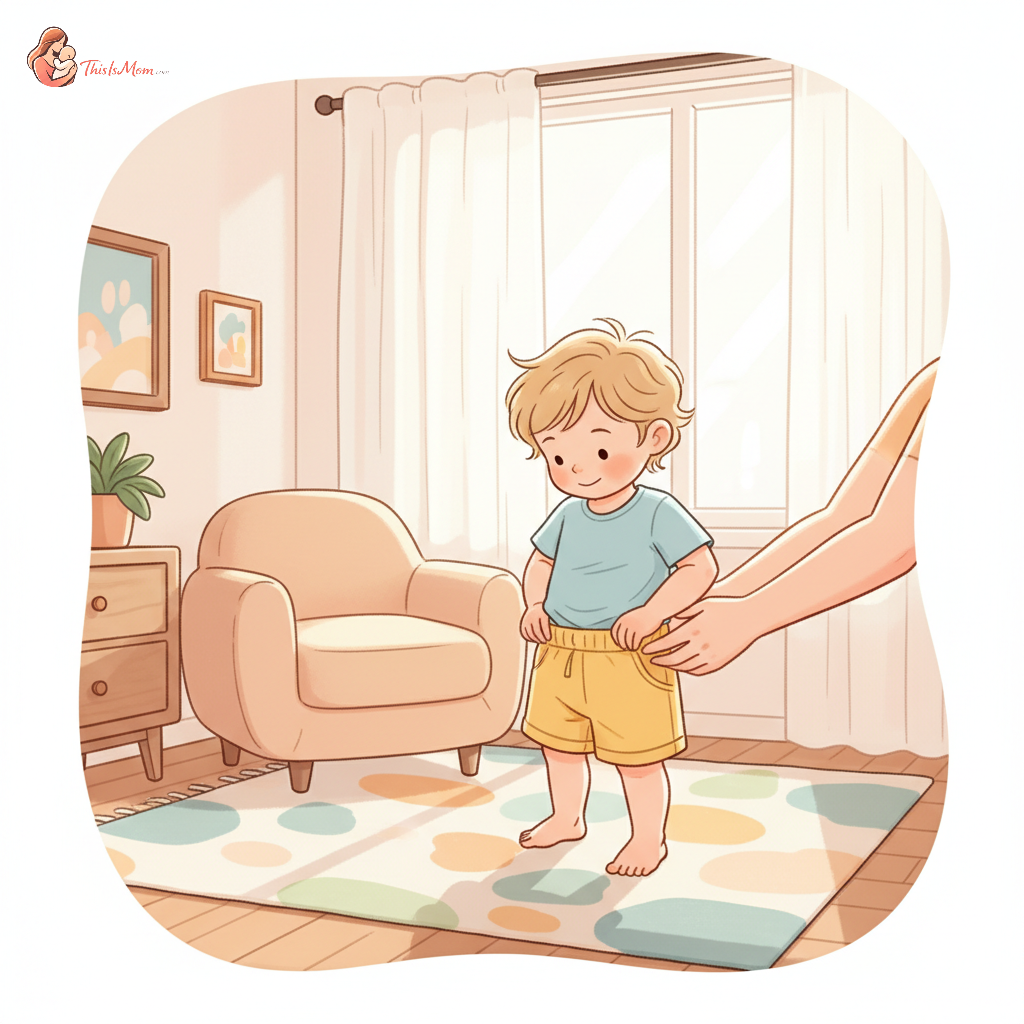
Dress Like a Champion: Nurturing Your 2-Year-Old's Self-Dressing Journey
Before you rush to pull on that tiny sock, pause. Observe your two-year-old. Are they trying to wriggle an arm through a sleeve, or fascinated by snaps? These moments are golden. Learning how to encourage independent dressing skills in your 2-year-old is more than just getting them ready; it’s about fostering confidence, fine motor skills, and agency. This developmental milestone isn't a race, but a gentle unfolding. By observing our children, we can meet them where they are.
The Wonderful World of "Me Do It!"
The drive for independence in a two-year-old is powerful. When a child can begin to dress themselves, even just a little, it’s a huge boost to their self-esteem. They feel capable, competent, and proud of their abilities.
This isn't just about physical clothing. The act of dressing involves:
- Fine Motor Skills: Manipulating buttons, zippers, and pulling fabric requires dexterity and hand-eye coordination.
- Gross Motor Skills: Balancing on one foot to put on pants, or reaching for their shirt, engages larger muscle groups.
- Cognitive Development: Understanding left from right, front from back, and sequencing steps are complex mental tasks for a young child.
- Problem-Solving: Figuring out how to get a sleeve over an elbow or orient a shirt correctly are little puzzles they learn to solve.
- Self-Regulation: The patience and focus required to complete a dressing task can help build their ability to manage impulses and persist. The French way of parenting emphasizes allowing children to handle tasks themselves, fostering this type of self-control. 4 French Parenting Lessons for Calm, Capable Kids
Consider the toddler self-dressing timeline. While there’s no strict schedule, many children begin showing interest around 18-24 months. You might notice them:
- Helping you by holding out a limb for a sleeve or pant leg.
- Pulling off simple garments like socks or loose pants.
- Expressing preference for certain clothes or showing frustration when you dress them too quickly.
- Showing fascination with fasteners like zippers or buttons.
These are all excellent indicators that they are ready to teach a 2-year-old to dress, or at least to be actively involved in the process.
Preparing the Stage for Dressing Mastery
Our goal is to make dressing as easy and accessible as possible for the child, allowing them to experience success. This starts with how we present their clothes and their dressing environment.
Toddler-Friendly Outfits
Think ease and efficiency. For a two-year-old just beginning to explore self-dressing, opt for:
- Elastic waistbands: These are infinitely easier to pull up and down than buttons or complicated closures.
- Loose-fitting clothes: Avoid anything too tight or restrictive.
- Larger neck openings: Makes pulling a shirt over the head less frustrating.
- Simple fasteners: Slip-on shoes, Velcro closures, and large buttons are ideal starting points.
- Comfortable fabrics: Scratchy or stiff materials can be a deterrent.
As they gain confidence, you can introduce slightly more challenging items.
An Organized and Accessible Wardrobe
Where clothes are stored matters. Instead of a deep drawer where things get lost, consider:
- Low shelves or bins: Your child should be able to easily reach and see what's available.
- Visual cues: Placing clothes in clear bins or labeling drawers with pictures can be helpful.
- Pre-selected outfits: You can help by selecting a few options each day, letting them choose from those. This reduces overwhelm.
- Dedicated dressing spot: A stable stool or a soft rug can designate a comfortable space for them to dress.
A Calm Dressing Sanctuary
The morning rush can be stressful for everyone, especially for a young child learning a new skill. Try to create a peaceful environment for dressing:
- Minimize distractions: Turn off the TV; put away toys. Excessive screen time can interfere with a child's ability to focus on real-world tasks. Transitioning: From Blippi & Cocomelon to Educational Apps
- Allow ample time: Rushing creates pressure. Start getting dressed earlier than you think you need to.
- Quiet encouragement: Speak in a calm, reassuring tone.
The Art of Guiding Self-Dressing
When wondering how to teach a 2-year-old to dress themselves, remember that it’s a practice, a series of small steps, and a lot of patience.
One Step at a Time
Start with the easiest parts of the dressing puzzle.
- Pants: These are often the first garment a child masters because they can be pulled up while sitting. Ask them to pull their pants up from knee to waist.
- Shirts: Beginning with t-shirts that have wide neck openings is key. You can help by guiding their head through and letting them pull the sleeves down.
- Socks and Shoes: These can be tricky! Slip-on socks and shoes with Velcro are excellent for introducing these skills.
The "Help Me Help You" Approach (Backward Chaining)
This is where Montessori principles truly shine. Instead of doing it for them, you do most of it and let them complete the final action. This is often called backward chaining:
- For pants: You pull the pants up to their knees, and your child then pulls them the rest of the way up.
- For shirts: You put the shirt over their head and get their arms partway into the sleeves; they then finish pulling the sleeves down.
- For jackets: You help them get their arms into the sleeves, and they pull the jacket on.
Discover your baby's phase
This method ensures they experience success and feel a sense of accomplishment with each step.
Making It Playful
Turn dressing into a game rather than a chore.
- Sing songs: Many children’s songs are about dressing or body parts.
- Tell stories: "This shirt is your superhero cape today! Can you put it on to save the day?"
- Mirror play: Let them watch themselves in a mirror as they dress.
- Body part games: "Where does the sock go? On your foot! Can you find your foot?"
This play-based approach minimizes resistance and maximizes engagement.
Navigating the Bumps in the Road
It's rare that a child will embrace self-dressing without a hitch. Common challenges are normal parts of the process.
The "No!" Stage
What do you do when they refuse?
- Offer choices: "Would you like to wear the blue pants or the red pants today?" This gives them a sense of control.
- Wait it out: If it’s not an urgent situation, accept that they might not dress themselves in that moment. You can try again later.
- Don't force: Forcing a child to dress can create negative associations and make them more resistant in the future.
- Connect before directing: Sometimes a hug or a few minutes of focused play can ease tension before attempting to dress. If the refusal stems from general power struggles, learn about ways to get toddler to eat protein when refusing meat and eggs as similar strategies might apply.
Buttons and Zippers: The Next Frontier
These are more complex fasteners.
- Introduce zippers first: They are generally easier to learn than buttons. Start with large zipper pulls on jackets.
- Practice with "pretend" zippers: Some toy kits or even fabric scraps with zippers can be used for non-dressing practice.
- Buttons: Begin with large buttons and large buttonholes. You can even create "button practice boards" with fabric.
- Patience is key: Children usually master these skills between ages 3-5, so don't expect proficiency at two.
Embracing Imperfection
Mistakes will happen. A shirt might be inside out, pants backwards, or shoes on the wrong feet.
- Gentle correction: Instead of saying "That's wrong," try "Oh, the tag usually goes in the back. Let's try turning it around."
- Focus on the effort: Praise their attempt. "You worked so hard to get that shirt on! That's wonderful!"
- Model the correction: "Oops, my shirt is inside out too! Let me fix it."
Dressing Skills by Age: What's Next?
As your child progresses, their abilities will expand. By three or four, many children can master simpler dressing tasks independently, including putting on their own socks, shoes (even tying simple laces with guidance), pants, and shirts. They’ll be better at distinguishing front from back and right from left.
When to Gather More Support
While self-dressing struggles are common, there are times when it's helpful to seek additional perspectives.
Developmental Variations are Real
Every child develops at their own pace. Some children are naturally more inclined to embrace new skills, while others take their time. Factors like temperament, physical coordination, and prior exposure play a role. What's considered "typical" by organizations like the American Academy of Pediatrics or the CDC is a broad range.
Signs to Consider a Chat
You might want to discuss your child’s development with their pediatrician or a child development specialist if you observe:
- Significant and persistent resistance to all dressing independence across multiple caregivers.
- Extreme difficulty with basic motor skills required for dressing that don't seem to improve over time.
- A noticeable lack of interest or engagement in self-care activities despite opportunities and encouragement.
- Concerns about fine or gross motor development that extend beyond dressing.
Supporting Children with Unique Needs
If you are wondering how to teach a child with special needs to dress independently, know that the principles of patience, modification, and breaking down tasks remain crucial. This might involve:
- Adaptive clothing: Clothing designed for ease of dressing.
- Visual schedules: Detailed step-by-step visual aids for the dressing routine.
- Specialized tools: Gripping aids for buttons or zipper pulls.
- Occupational therapy: A therapist can provide tailored strategies and support for motor skill development.
The journey of learning to dress is a rich opportunity for growth. By preparing the environment, offering patient guidance, and celebrating every small victory, you empower your two-year-old to become a confident dresser, one step at a time.