Encourage Toddler to Drink Water Instead of Milk
Help your toddler transition from milk to water. Discover effective strategies for encouraging water intake, understanding AAP guidelines, and troubleshooting resistance.
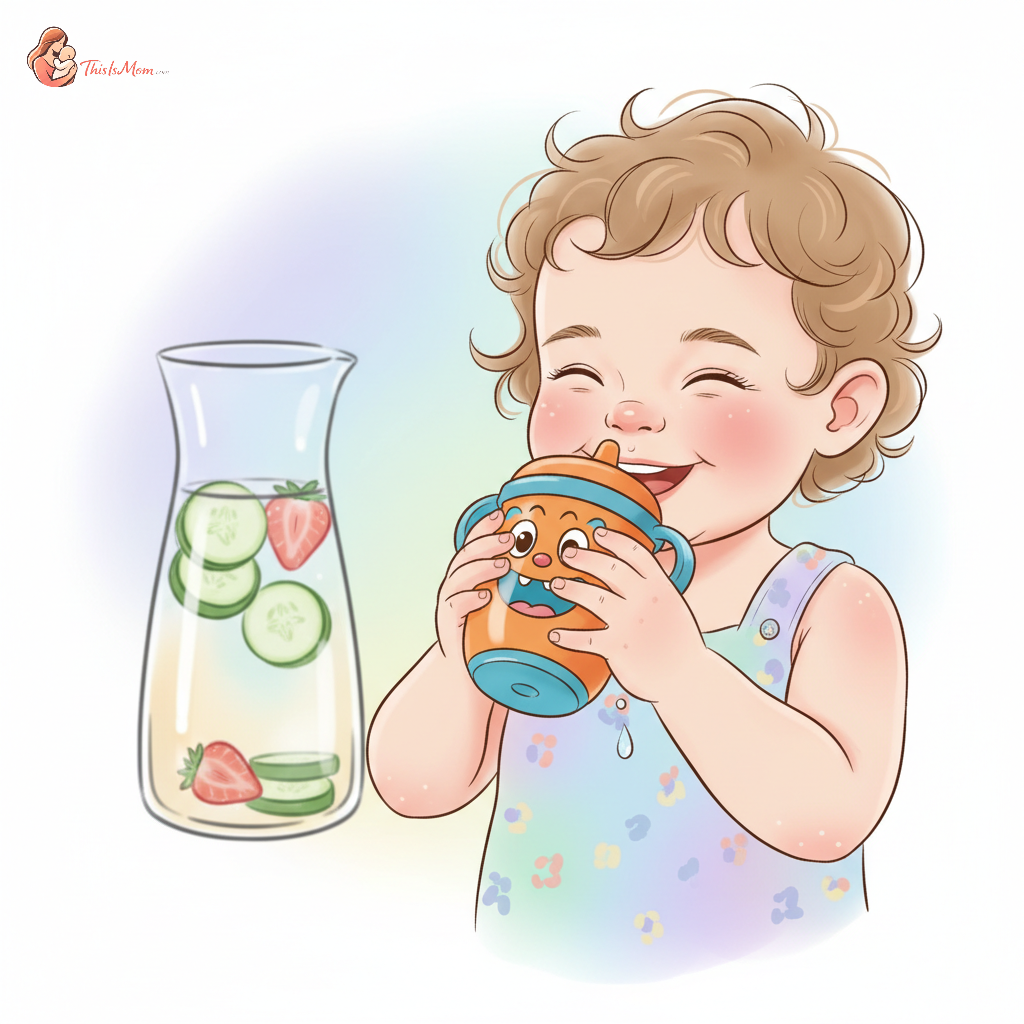
Toddler Water Habits: Encouraging Water Over Milk
Your toddler seems to run on milk. Every meal, every snack, and sometimes in between, it's a request for their favorite white beverage. But are they getting too much? And how do you encourage a toddler to drink water instead of milk? This is a common question for many parents navigating the toddler years. Developing healthy hydration habits early on is key for their growth and development, and understanding how to transition from milk to water is a crucial part of that.
Why the Switch Matters: Understanding Toddler Hydration Needs
As toddlers grow, their nutritional needs evolve. While milk remains an important source of calcium and vitamin D, relying on it too heavily can displace other essential nutrients and impact their overall hydration. The goal is to ensure they are getting adequate nutrition from a variety of sources, and that water becomes their primary thirst-quencher.
AAP Guidelines: How Much Milk & Water Do Toddlers Really Need?
The American Academy of Pediatrics (AAP) offers clear guidance on milk and water intake for toddlers. Understanding these recommendations can help you gauge if your child's habits are on track.
The 'Magic Number' for Milk Intake
According to the AAP, toddlers between 1 and 2 years old generally need about 16 to 24 ounces of whole milk per day. This amount provides essential nutrients without exceeding what their developing bodies can efficiently utilize.
Once a child reaches age 2, the guidelines often shift towards lower-fat milk, with a similar intake range, though some pediatricians may recommend reducing the total volume further as solid food intake increases. The key is to view milk as a component of their diet, not its sole foundation.
Signs Your Toddler Might Be Drinking Too Much Milk
When milk intake is consistently higher than recommended, it can have several implications. The evidence shows that excessive milk consumption can lead to:
- Iron Deficiency: Milk is not a good source of iron, and a diet dominated by it can leave little room for iron-rich foods. This can be a particular concern for toddlers. Read more about easy iron-rich snacks for picky toddlers.
- Constipation: For some children, too much milk can contribute to a constipated bowel.
- Reduced Appetite: A full belly of milk can significantly decrease a toddler's appetite for other nutrient-dense foods they need to explore and enjoy. Discover creative ways to offer vegetables to a sauce-averse toddler.
- Dental Issues: While less common with milk than with juice or sugary drinks, constant sipping throughout the day can still contribute to issues, especially if teeth aren't cleaned regularly.
Why Water is Crucial for Growing Bodies
Water is fundamental for virtually every bodily function. For toddlers, it plays a vital role in:
- Temperature Regulation: Helping to keep their body temperature stable, especially when they are active.
- Nutrient Transport: Carrying nutrients from the food they eat to their cells.
- Waste Elimination: Assisting in flushing toxins and waste products from the body.
- Brain Function: Ensuring optimal cognitive development and alertness.
- Digestive Health: Aiding in smooth digestion and preventing constipation.
As toddlers become more active and their diets diversify, water should naturally become their go-to beverage.
Gentle Transition Strategies: Making Water Fun & Appealing
Encouraging a toddler to drink water doesn't have to be a battle. With a few simple strategies, you can help them develop a positive association with H2O.
Small Steps: Diluting Milk Gradually
One effective method to transition your toddler from milk to water is a gradual dilution process. If your child drinks a significant amount of milk, start by slightly watering down their milk over a period of days or weeks.
Begin by reducing the milk volume slightly at one meal and replacing it with a similar volume of water. As they adjust, you can further decrease the milk-to-water ratio. This approach is gentle and allows their taste buds to adapt slowly. Learn the safest way to transition from formula to whole milk at 12 months.
Creative Cups & Colorful Straws
Presentation matters, especially with toddlers! Offer water in fun, engaging cups. Consider:
Discover your baby's phase
- Sippy Cups with Fun Designs: Cups featuring their favorite characters can make drinking more appealing.
- Open Cups (when ready): Transitioning to an open cup can be exciting for them, fostering a sense of growing up.
- Colorful Straws: Toddlers often find drinking through a straw novel and enjoyable. Reusable, colorful straws can add a playful element.
Water as a Routine: Offering it Regularly
Integrate water into your toddler's daily routine, making it as common as meal and snack times.
- Offer Water First: Before offering milk, present a cup of water.
- During Meals: Always have a cup of water available alongside their food.
- Between Meals: Offer water periodically throughout the day, especially during warmer weather or after active play.
Modeling Behavior: Let Them See YOU Drink Water
Children are masterful imitators. If they see you regularly drinking water and enjoying it, they are more likely to do the same. Keep a water bottle handy and sip from it throughout the day. Talk positively about how refreshing water is.
Troubleshooting Common Toddler Resistance
It's not uncommon for toddlers to resist new habits. If your toddler won't drink water, or shows a strong preference for milk, here are some ways to navigate those challenges.
When They Refuse: Patience and Persistence
Toddlers often test boundaries. If they refuse water, don't immediately revert to milk. Offer it again later. Sometimes it takes multiple exposures before a child accepts a new food or drink. Persistence, paired with a low-pressure approach, is key.
Flavorful Twists: Fruit-Infused Water Ideas
Plain water can sometimes seem unappealing. To entice them, try infusing water with natural flavors.
- Cucumber Slices: Adds a mild, refreshing taste.
- Strawberry or Raspberry Halves: Offers a hint of sweetness and color.
- Orange or Lemon Wedges: Provides a citrusy zest.
- Mint Leaves: For a subtle, cool flavor.
Simply add the fruit or herb to a pitcher of water and let it steep in the refrigerator for a few hours. Serve chilled. This is a healthy way to encourage intake without adding sugars or artificial ingredients.
Making Water Part of Playtime
Turn hydration into a fun activity. You can use water play during bath time to make the connection positive. Some parents even have "water parties" where everyone drinks water and celebrates hydration.
Avoiding Power Struggles: Keep it Low-Pressure
The most important advice is to avoid turning water intake into a battle of wills. If a toddler feels forced, they are more likely to resist.
- Offer, Don't Force: Always offer water, but don't make them finish it or drink a certain amount.
- Celebrate Small Wins: If they take a few sips, offer praise.
- Stay Calm: Your reaction can influence their behavior.
When to Call the Pediatrician: Hydration Concerns
While encouraging water intake is beneficial, there are times when you should consult your pediatrician.
If your toddler consistently refuses to drink any fluids for an extended period, or if they show signs of dehydration (such as reduced urination, dry mouth, crying without tears, or unusual lethargy), it's important to seek medical advice. Learn about the early signs of formula intolerance in your 2-month-old.
Additionally, if you are concerned about their overall milk consumption and its potential impact on their nutrition, or if you are struggling with the transition despite trying various strategies, your pediatrician can offer personalized guidance. They can assess your child's specific needs and provide tailored recommendations to ensure healthy hydration and nutrition habits. Find pediatrician tips for balanced toddler snacks.