Balanced Toddler Snacks: Pediatrician Tips & Ideas
Discover what pediatricians recommend for balanced toddler snacks. Learn about key nutrients, portion sizes, timing, and get easy, healthy snack ideas for your little one.
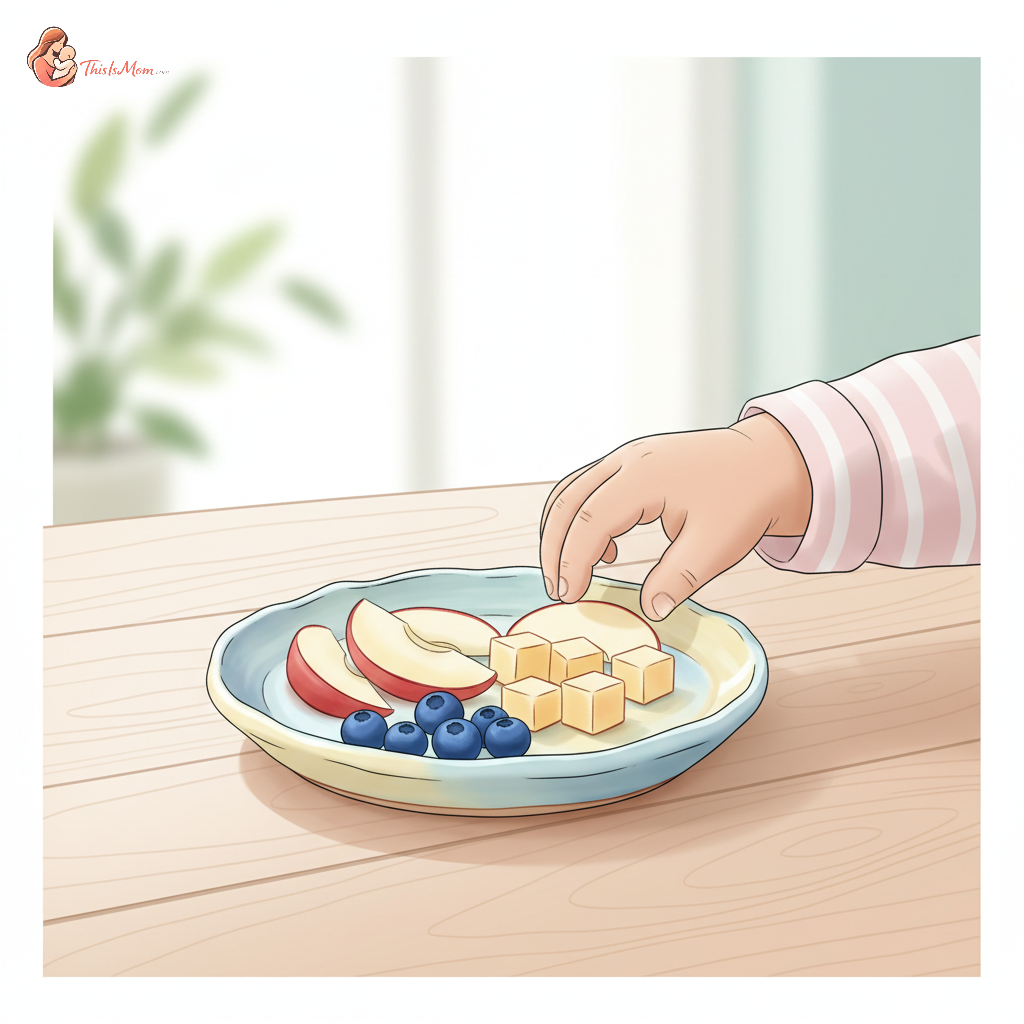
What Qualifies as a 'Balanced' Toddler Snack? Pediatrician Tips
Your toddler is asking for a snack, and you’re faced with a pantry full of options. But what truly qualifies as a 'balanced' toddler snack according to pediatricians? It’s a common question for many parents, especially with abundant marketing making snacks seem like the perfect solution for a picky eater or a quick energy boost. The reality, according to the American Academy of Pediatrics (AAP) and other health organizations, is that a truly balanced toddler snack provides essential nutrients to support growth and development, not just fill a void.
Let’s break down what pediatricians look for in a healthy toddler snack and how you can easily achieve it at home.
More Than Just 'Kid-Friendly': Understanding the Pediatrician's View
When pediatricians discuss "kid-friendly" snacks, they often mean something toddlers will actually eat. However, a "balanced" snack goes further. It’s about nutritional quality and its contribution to your child's overall daily intake of vitamins, minerals, protein, healthy fats, and fiber. The goal isn’t just to satisfy hunger between meals but to actively contribute to your toddler's well-being.
This approach helps establish a foundation for healthy eating habits that can last a lifetime. It’s about teaching your child that food provides energy and nourishment, not just a temporary treat.
The Core Components of a Balanced Toddler Snack
The evidence shows that focusing on a few key nutrient groups helps create snacks that are both satisfying and beneficial for toddlers. The AAP often emphasizes the importance of variety and nutrient density.
- Protein: Essential for growth, muscle development, and keeping toddlers feeling full.
- Healthy Fats: Crucial for brain development and nutrient absorption.
- Fiber: Supports digestive health and also contributes to satiety.
- Vitamins and Minerals: From fruits and vegetables, these are vital for overall health and immunity.
A balanced snack typically includes at least two of these food groups, ideally more. For example, pairing a fruit with a protein source or a healthy fat.
Why Balanced Toddler Snacks Are So Important
Snacks play a significant role in a toddler's diet. They aren't just an afterthought; they are an integral part of fueling a rapidly growing and developing child.
Fueling Growth and Development: Brains and Bodies
Toddlers have high energy needs for their size and are constantly growing. Balanced snacks provide the necessary calories and nutrients to support this rapid development. Healthy fats, in particular, are critical for brain development during these early years. The Centers for Disease Control and Prevention (CDC) highlights the importance of good nutrition for children’s physical and cognitive growth.
Bridging Meals and Preventing 'Hangry' Meltdowns
Young children have small stomachs and can't always eat enough at one sitting to sustain them for long periods. Snacks help bridge the gap between meals, providing consistent energy. This can prevent extreme hunger, which often leads to irritability and what parents affectionately call "hangry" meltdowns. Offering a balanced snack can help regulate blood sugar levels.
Building Healthy Eating Habits Early On
What toddlers eat, and how they eat it, can set the stage for their future relationship with food. Regularly offering nutritious snacks helps them learn to appreciate a variety of healthy foods. It's a consistent opportunity to expose them to different tastes and textures, reinforcing the idea that healthy foods are delicious and satisfying.
Pediatrician-Approved Snacking Guidelines to Follow
When considering pediatrician-approved toddler snacks, the guidelines often focus on nutrient balance, appropriate portions, and mindful timing.
Portion Sizes: How Much is Enough (But Not Too Much)?
Toddlers don't need adult-sized portions, and snacks shouldn't be so large that they interfere with meals. The AAP suggests that snacks for toddlers should be about one-quarter to one-third the size of a main meal.
A good rule of thumb is to offer a portion that fits into the palm of their hand or a small bowl. The goal is to stave off hunger until the next meal, not to replace a meal.
Timing Matters: When to Offer Snacks
The timing of snacks is as important as their content. Generally, it's recommended to offer snacks about 1.5 to 2.5 hours after a meal and at least 1.5 hours before the next meal.
Discover your baby's phase
- Mid-morning snack: About halfway between breakfast and lunch.
- Mid-afternoon snack: About halfway between lunch and dinner.
Avoid offering snacks too close to meal times, as this can decrease their appetite for the more nutrient-dense main meals. Also, it’s generally advised not to have continuous grazing, as this can make it harder to regulate hunger cues.
Minimizing Processed Sugars and Artificial Ingredients
Many commercially available toddler snacks are high in added sugars, sodium, and artificial ingredients, offering little nutritional value. Guidelines from organizations like the Mayo Clinic advise limiting these.
- Added Sugars: Can contribute to unhealthy weight gain, tooth decay, and can make children less likely to choose healthier options.
- Artificial Colors and Flavors: While often deemed safe in small amounts, the consensus is to minimize them where possible.
When choosing packaged snacks, look for options with short ingredient lists, ideally containing whole foods.
Easy & Delicious Balanced Toddler Snack Ideas
Creating balanced snacks for 2-year-olds and other toddlers doesn't have to be complicated. The key is to combine different food groups.
Mix-and-Match Combos for Optimal Nutrition
Here are some pediatrician-approved toddler snack ideas that combine protein, healthy fats, and fiber:
- Apple Slices with Peanut Butter: A classic for a reason. The apple provides fiber and vitamins, while peanut butter offers protein and healthy fats. (Ensure peanut butter is smooth and spread thinly to avoid choking hazards). safe-way-offer-nut-butter-baby-allergy-risk
- Yogurt with Berries and a Sprinkle of Seeds: Plain, full-fat yogurt is a good source of protein and calcium. Berries add fiber, vitamins, and antioxidants. A few chia or flax seeds can boost healthy fats and fiber.
- Hard-Boiled Egg and Whole-Wheat Crackers: An egg is a complete protein source, and whole-wheat crackers add fiber.
- Avocado Slices with Whole-Grain Toast: Avocados are packed with healthy fats and fiber, and whole-grain toast provides complex carbohydrates.
- Cottage Cheese with Peach Slices: Cottage cheese is high in protein, and peaches offer vitamins and fiber.
No-Cook Options for Busy Parents
For those rushed mornings or afternoons, these no-cook options are lifesavers:
- Cheese Sticks or Cubes with Grapes (halved lengthwise): Cheese provides protein and calcium, while grapes offer hydration and some vitamins.
- Hummus with Cucumber Slices or Bell Pepper Strips: Hummus (made from chickpeas) is a good source of protein and fiber. Serve with crunchy vegetables for added nutrients and texture. iron-rich-baby-led-weaning-foods-7-month-old
- Banana with Almond Butter: Bananas offer potassium and natural sweetness, and almond butter provides protein and healthy fats.
- Edamame (steamed and cooled): A great source of plant-based protein and fiber.
Snacks to Avoid (or Offer Sparingly)
Some snacks, while seemingly convenient, should be reserved for occasional treats due to their nutritional profile:
- Sugary Cereals and Granola Bars: Often high in added sugars and low in fiber.
- Fruit Snacks and Fruit Leathers: Primarily sugar with minimal actual fruit content.
- Cookies, Candies, and Pastries: Offer empty calories with little to no nutritional benefit.
- Salty Packaged Snacks (like chips): High in sodium and often processed fats.
These foods don't contribute to balanced nutrition and can displace more nutrient-dense options.
Handling Picky Eaters and Snack Time Struggles
Dealing with picky eaters is a common challenge. The key is consistency and patience, with a focus on making healthy choices accessible and appealing.
Making Healthy Choices Fun and Accessible
- Presentation: Cut fruits and vegetables into fun shapes using cookie cutters. Arrange snacks in colorful patterns on the plate.
- Involvement: Let your toddler help choose between two healthy options or assist in simple prep tasks like washing berries.
- Exposure: Continue to offer a variety of healthy foods, even if they've been rejected before. Sometimes it takes multiple exposures for a child to accept a new food. toddler-new-baby-sleeping-same-room-guide
- Routine: Offer snacks at predictable times. This helps them understand when to expect food and can reduce demands for constant snacking. explain-screen-time-limits-3-year-old-simple-concepts
When to Talk to Your Pediatrician About Feeding Concerns
While picky eating is normal for many toddlers, there are times when professional guidance is beneficial. If you have concerns about your toddler's growth, overall intake, or specific feeding issues, it's always a good idea to consult with their pediatrician. They can provide personalized advice based on your child's individual needs and developmental stage. They can also rule out any underlying medical issues that might be affecting appetite or food acceptance. signs-need-different-pcp-postpartum-mental-health