Explaining Postpartum Rage to Family: A Guide
Learn how to explain postpartum rage to dismissive family members. Understand its symptoms, why it's misunderstood, and scripts to communicate your needs clearly.
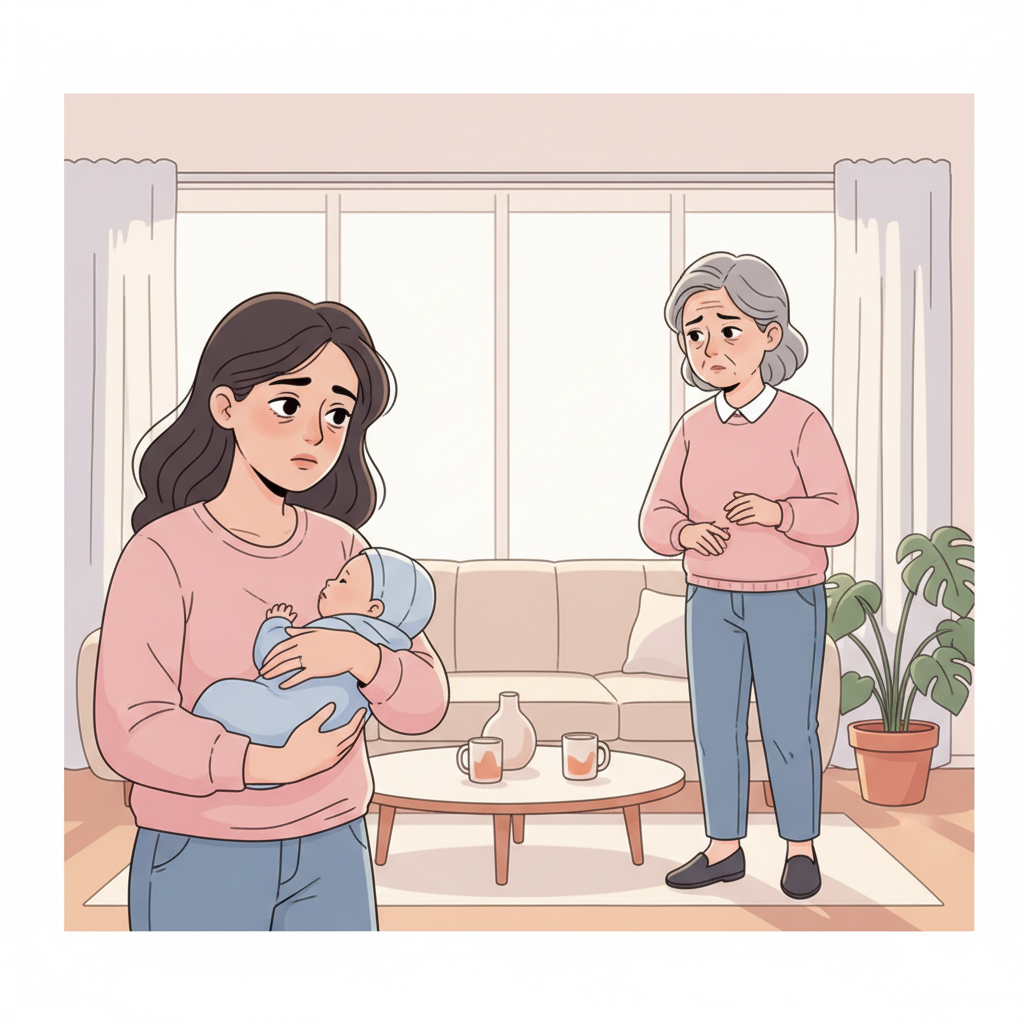
What's Really Going On: Understanding Postpartum Rage
We've all heard about the "baby blues"—the tears, exhaustion, and overwhelming love mixed with a healthy dose of "what have I done?" But postpartum rage? That’s a whole different beast. It’s an intense, often sudden surge of anger, irritability, and resentment that goes way beyond normal stress.
So, how do you even describe it?
Think of it like a pressure cooker. All the hormonal shifts, the sleep deprivation, the identity crisis, and the demands of a tiny human – they’re all building up. Postpartum rage is when that pressure valve suddenly blows, releasing a furious, uncontrollable energy. It can feel like your own body is betraying you, and it’s isolating.
Signs You Might Be Experiencing More Than Just Stress
The signs of postpartum rage can be subtle or smack-you-in-the-face obvious. It's crucial to recognize them in yourself, even when you're deep in the trenches of new motherhood.
Here's what to look out for:
- Explosive Anger: This is the hallmark. Sudden, disproportionate outbursts over small things. Like raging at the milk that’s just a little too cold, or sobbing because you can't find a clean pacifier.
- Intense Irritability: Feeling on edge constantly, snapping at loved ones, or having zero patience for anything. Even your baby's cute squeals might set you off.
- Feeling Overwhelmed and Resentful: A deep-seated feeling that you’re carrying the whole world, and nobody else understands or is helping enough. This can manifest as bitterness towards your partner or anyone who seems to have it easier.
- Difficulty Controlling Emotions: Feeling like you’re riding an emotional rollercoaster you can’t get off. One minute you’re fine, the next you’re consumed by fury.
- Physical Symptoms: Sometimes, this rage shows up physically. Think tension headaches, a racing heart, or feeling constantly keyed up.
It's important to remember that postpartum rage symptoms can overlap with postpartum depression and anxiety, but the primary emotion is often that burning anger.
Why They Don't Get It (And How to Help Them Understand)
My mom meant well. "Oh, it’s just hormones, honey. You’re just tired. Just try to rest when the baby rests." She said it with a gentle smile, a wave of her hand, as if dismissing a minor inconvenience. The truth is, many well-meaning people in our lives simply don't understand what postpartum rage is. They might have had a different postpartum experience, or they grew up thinking moms were supposed to be serene, nurturing goddesses at all times.
Common Reasons for the Dismissal
- Lack of Awareness: Honestly, postpartum rage isn't as widely discussed as PPD or PPA. Many people haven't encountered it before and have no frame of reference.
- "Mom Guilt" Projection: Sometimes, people dismiss it because they unconsciously feel guilty about their own struggles or feel their own parenting is being judged.
- "Tough It Out" Mentality: There’s still a lingering societal pressure for moms to be endlessly resilient without complaint.
- Misunderstanding Hormones: They might think "hormones" are a flimsy excuse for being "difficult."
The impact of this kind of dismissal can be devastating. It makes you feel invalidated, alone, and like your feelings aren't real. It can even make you doubt yourself. Am I overreacting? Am I a bad mom? You start to shut down, fearing more judgment.
Finding the Words: Scripts for Talking About Postpartum Rage
This is where you become a diplomat, a scientist, and a fierce advocate for yourself, all at once. You need to clearly articulate what you’re experiencing without triggering defensiveness. It’s a delicate dance.
Direct and Clear Explanations
When you’re ready to have the conversation, try to pick a calm moment. Take a deep breath and aim for a low-key, factual approach.
Script Idea 1 (For a partner or close family member):
"Hey, can we talk for a minute? I’ve been noticing some intense anger and irritability lately, and it’s really starting to worry me. It’s not just being stressed or tired. I’ve been reading about something called postpartum rage, and it feels like what I’m experiencing. It’s a real thing that can happen after giving birth due to pretty intense hormonal and emotional shifts. It’s making me feel out of control, and I’m scared. I need you to understand that this isn’t me being deliberately difficult; it’s something I’m struggling with and need support through."
Script Idea 2 (For a well-meaning but dismissive relative):
"Mom/Aunt [Name], I love you and I appreciate your advice. I know you think I just need more rest, and that’s part of it. But lately, I’ve been experiencing really strong, unexpected anger. It’s called postpartum rage, and it’s more than just baby blues. It’s a difficult physical and emotional reaction that many new moms deal with. It’s not something I can just ‘snap out of,’ but knowing you understand that I’m going through something real and challenging would mean the world to me."
The 5-5-5 Rule for Tricky Conversations
When you feel a conversation about postpartum rage is getting heated or is likely to be difficult, the 5-5-5 rule can be a lifesaver:
Discover your baby's phase
- Take 5 deep breaths. This helps you calm your nervous system before responding.
- Count to 5. Give yourself a moment to think before speaking.
- Say 5 words to yourself that are calming or grounding. Like "I am safe," or "This will pass."
This technique gives you the space to reclaim your composure and respond thoughtfully, rather than reactively.
Addressing the "Does Postpartum Rage Go Away?" Question
This is a common and understandable question. Here’s how to address it gently but honestly:
"That’s a great question. Postpartum rage isn't usually a lifelong condition. For most moms, the intense symptoms do pass as hormone levels regulate and you find your footing. However, how long postpartum rage lasts can vary a lot from person to person. For some, it might fade after a few weeks, while for others, it might take a few months. The key is getting support and treatment, if needed, to help manage it and help it resolve. It’s not something we just have to endure indefinitely."
The most important thing is that you are not alone, and you don't have to navigate this by yourself.
Setting Boundaries with Love (and a Little Firmness)
Once you've started the conversation, the next step is setting healthy boundaries. This is crucial for your well-being and for your family's understanding. Boundaries tell people how you need to be treated.
Communicating Your Needs Effectively
Be specific about what you need. Instead of just saying "I need space," try to be more concrete.
- "When I’m feeling overwhelmed, I need about 30 minutes to myself in the other room. Can you please watch the baby during that time?"
- "I need you to agree not to offer unsolicited advice about my parenting right now. If I want advice, I will ask for it."
- "If you see me getting worked up, please don't try to 'fix' it by telling me to calm down. Instead, ask, ‘What do you need right now?’"
These boundaries are not about being mean; they are about self-preservation.
What to Do When Boundaries Are Crossed
This is where it gets tough. Boundaries are only effective if they're reinforced.
- Gentle Reminder: "Hey, we talked about this. I need you to [state the boundary again]."
- Consequence (if necessary): This doesn't mean punishment, but rather a logical outcome. "I’ve asked not to be interrupted when I’m feeding the baby. If it happens again, I’ll need to step away from the conversation/put the baby down and go to the other room."
- Re-evaluation: If a particular person consistently disrespects your boundaries, you might need to limit your interaction with them for a while. This is hard, but your mental health is paramount.
Finding Your Tribe and Seeking Help
You cannot, and should not, do this alone. Your support system is your lifeline.
Resources for Postpartum Rage Support
- Your Partner: If you have a supportive partner, they are your primary ally. Talk openly about your feelings and needs.
- Postpartum Support International (PSI): They have an incredible helpline and can connect you with local resources and support groups.
- Mom Groups: Connecting with other new moms, especially those who are open and honest about the realities of postpartum, can be incredibly validating.
- Therapist specializing in Perinatal Mental Health: This is often the most effective way to work through postpartum rage. They can offer coping strategies and help you process the experience.
When to Seek Professional Help (for You and Family Dynamics)
While some of the intense anger might subside naturally, it’s essential to seek professional help if:
- Your anger feels uncontrollable or is putting anyone (including yourself or your baby) in danger.
- It's significantly impacting your relationship with your partner or other children.
- You are experiencing thoughts of harming yourself or your baby. This is a medical emergency, and you should seek help immediately by calling 911 or going to your nearest emergency room.
- The postpartum rage symptoms persist for a prolonged period and interfere with your ability to function.
Sometimes, family therapy can be beneficial if your loved ones are struggling to understand or adapt to your needs. The goal is to get everyone on the same page, supporting you through this challenging chapter.
This journey of motherhood is rarely what the greeting cards depict. It's messy, it's beautiful, and it's often incredibly hard. If you're wrestling with postpartum rage, know that you are not broken, you are not a bad mom, and you are absolutely not alone. Reach out, speak your truth, and build the support you deserve. You’ve got this.