My Partner Doesn't Understand My Postpartum Rage: A Guide
Feeling intense anger after childbirth and your partner doesn't understand? Learn why it happens, how to communicate, and strategies for support and healing.
My Partner Doesn't Understand My Postpartum Rage: A Guide
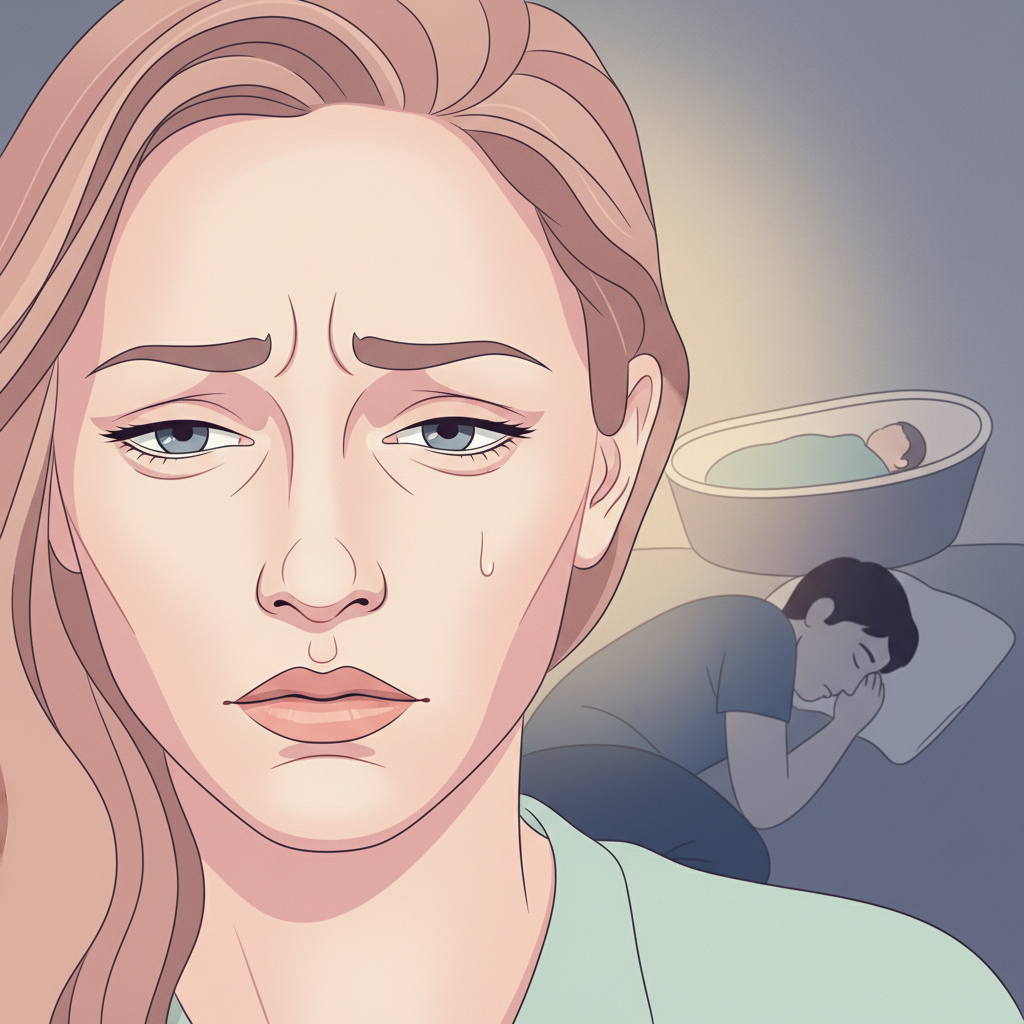
It was 2:17 a.m. when Noah finally stopped crying. Or rather, when he finally quieted down enough for me to shove him into his bassinet and collapse onto the couch. My husband, Mark, was asleep beside me, a mountain of oblivious calm. And I was seething. Not just tired, not just frustrated, but a full-blown, teeth-gritted, heart-pounding rage.
Honestly, I didn't even know what it was at first. I thought it was just being a bad mom, or a demanding wife. But the intensity, the sheer irrationality of some of my anger… it scared me. And Mark? He just looked confused, or sometimes hurt, when I'd snap over something stupid.
It's Not Just You, Mama
If you’re reading this because you’re also experiencing this overwhelming, often terrifying rage, please know this: you are not alone. Postpartum rage is a real thing. It's not the same as the "baby blues," and it's definitely not something to be ashamed of. It's a legitimate, though incredibly difficult, part of many women's postpartum experience. Spotting Postpartum Depression & PPA
It can manifest in so many ways. Tiny annoyances feel like giant betrayals. You might find yourself yelling at your partner for leaving a sock on the floor, or crying hysterically because the dishwasher isn't unloaded. The truth is, it’s a visceral reaction to the overwhelming physical and emotional changes your body and mind are going through.
Your hormones are doing a chaotic dance. Your sleep is probably nonexistent. Your entire identity has been reshaped overnight. All of this can boil over, and sometimes it comes out as pure, unadulterated rage. And when you’re feeling this way, and the person you’re closest to just doesn’t seem to get it, it can feel incredibly isolating. What Postpartum Rage Feels Like Towards Inanimate Objects
Why He Might Not Get It (And It's Not Always Malice)
My frustration with Mark's lack of understanding was immense. He’d say things like, "What’s up with you lately?" or "Can you just calm down?" which, as you can probably guess, only made me angrier. But the truth is, it’s not always because they’re intentionally dismissive. There are actual reasons why your partner might struggle to grasp the intensity of postpartum rage.
The Science Behind the Stir-Up
After childbirth, your body experiences a dramatic drop in estrogen and progesterone. This hormonal freefall can trigger mood swings and intense emotions, including anger and irritability. It's like a chemical cocktail that can make you feel a bit insane.
Research suggests these hormonal shifts can mimic some symptoms of premenstrual syndrome (PMS), but on a much grander scale. Add to that the sleep deprivation and the sheer physical recovery, and your nervous system is on high alert.
Societal Expectations vs. Reality
We’re often sold this picture of motherhood: glowing moms, serene babies, and doting partners. The "mom guilt" is real, but there's also a societal expectation that moms should be nurturing and patient. When we’re feeling rageful, it goes against that narrative, and it’s hard for anyone, including ourselves, to process.
Your partner might also be operating under broader societal expectations about what a new father's role is, or what postpartum challenges "look like." He might not have been exposed to the reality of postpartum rage in his own life or through friends.
His Own Postpartum Adjustment
Let’s not forget that your partner is going through a massive life change too. His sleep is likely disrupted, his routines are upended, and he’s adjusting to a new identity as a father. He might be feeling overwhelmed, anxious, or even experiencing his own form of postpartum depression.
Sometimes, the lack of understanding stems from his own inability to process his new reality. He might be so focused on navigating his own changes that he doesn’t have the bandwidth to fully comprehend yours, especially when yours is manifesting as anger.
Bridging the Gap: How to Initiate the Conversation
This is the tricky part, right? How do you even begin to explain this level of emotion to someone who looks at you like you’ve grown a second head when you snap? It takes courage, and it takes strategy.
Picking the Right Time and Place
Trying to have this conversation when you’re in the thick of a rage episode is a recipe for disaster. You’ll likely say things you regret, and he’ll likely shut down.
Find a moment when you’re both relatively calm and rested. Maybe after the baby is asleep for the night, or during a quiet moment on the weekend. A calm environment is key.
Using 'I' Statements, Not Accusations
This is non-negotiable. Instead of saying, "You never help!" try "I feel overwhelmed and I need more help with [specific task]." This shifts the focus from his perceived failings to your actual feelings and needs.
The goal is to express your experience without making him feel attacked. If he feels attacked, he’ll likely become defensive, and the conversation will stall.
What to Say: Script Examples for Difficult Moments
Sometimes, you just need a starting point. Here are some ways you might initiate the conversation or explain what’s happening:
- “Honey, I’ve been feeling really angry lately, and it’s not really about you, even though I sometimes lash out. My hormones are all over the place after having the baby, and it’s making me feel things very intensely. I’m struggling with postpartum rage, and I need you to understand that it’s a thing.”
- “I know I’ve been snapping at you, and I’m really sorry about that. I’m having a hard time managing my emotions right now. My body is going through so much, and my brain is too. Can we talk about how I’m feeling, and how you can support me when I’m feeling this way?”
- “I’m experiencing some really strong emotions right now, especially anger. It feels like it comes out of nowhere sometimes. I’m trying to get a handle on it, but I need your patience and understanding. It’s not personal, even when it feels like it.”
- When you feel yourself getting angry, and you know it’s the rage: “I’m feeling that intense anger start to bubble up. I need to take a few minutes to myself before I say something I regret. Can you watch Noah so I can step away for a bit?”
Setting Boundaries and Expressing Your Needs Clearly
Discover your baby's phase
Once you’ve opened the door to the conversation, you need to be clear about what you need from him moving forward. This isn't about demands; it's about articulating your reality and finding ways to navigate it together.
Communicating What You Need (And What You Don't)
Be specific. Instead of "I need more support," try:
- "I need you to handle 50% of the nighttime feedings with bottles so I can get a longer stretch of sleep."
- "I need you to take over bath time with Noah a few nights a week so I can have some downtime."
- "I need you to listen without trying to fix it when I’m venting about how overwhelmed I am."
And it’s also important to communicate what you don't need. You likely don't need him to minimize your feelings, tell you to "calm down," or get defensive.
When Rage Flares: Exit Strategies and Calm-Down Techniques
You’ll want to have a plan for when the rage hits. Agree on an exit strategy beforehand. This might look like:
- You taking a walk around the block.
- Him taking the baby to another room for a set amount of time.
- You stepping into a different room and listening to music or doing deep breathing exercises.
For yourself, when you feel the rage rising, try:
- Deep breathing: Inhale for four, hold for four, exhale for six. Repeat.
- Grounding techniques: Name five things you can see, four things you can touch, three things you can hear, two things you can smell, one thing you can taste.
- Progressive muscle relaxation: Tense and then release different muscle groups.
Navigating Resentment: What If It Lingers?
Postpartum resentment toward your husband is also incredibly common. If you feel like he's persistently not understanding or not trying, that resentment can build.
The key is to address it directly, but calmly. This might mean revisiting the conversation multiple times. If the resentment feels too deep to untangle on your own, it’s a sign to seek external help.
Beyond Talking: Practical Steps for Both of You
Communication is vital, but so are concrete actions that can help alleviate the pressure points contributing to the rage.
Identifying Triggers
Pay attention to what sets you off. Is it a certain time of day? A specific request from your partner? A particular household chore? Once you identify triggers, you can try to mitigate them.
For example, if you're always triggered when you have to ask for help, can you create a shared chore list where tasks are clearly assigned? If it's a specific time of day, can you ensure you have a brief period of downtime before then?
Shared Responsibilities and Partner Support
This is fundamental. You are a team. The demands of a new baby are immense, and they should not fall solely on one person.
- Divide and conquer: Sit down and look at all the tasks involved in running your household and caring for your baby. Divide them equitably.
- Proactive support: Encourage your partner to offer help before you have to ask. This might mean him noticing you’re struggling and stepping in without prompting.
- Educate him: Point him towards resources about postpartum mood disorders, including rage. Websites like Postpartum Support International or articles from the AAP can be really helpful.
How Long Does Postpartum Rage Typically Last?
This is a question that doesn't have a single answer, and it’s frustrating, I know. For many, the most intense phases of hormonal and emotional upheaval can last for the first few weeks or months. However, if the rage is persistent, severe, or accompanied by other concerning symptoms like intrusive thoughts or suicidal ideation, it’s a sign that you need more intensive support.
Some women find it fades as they get more sleep and adjust to their new normal, while others may need ongoing strategies to manage their anger and emotions. It’s often tied to the overall postpartum recovery and adjustment period.
When to Seek Professional Support (For You and Your Relationship)
If you've tried talking, you’ve tried setting boundaries, and you’re still feeling overwhelmed, or if your partner is still struggling to understand, it might be time to bring in a professional.
There is zero shame in seeking help. It’s a sign of strength.
- Therapy for you: A therapist specializing in postpartum mental health can provide coping strategies, help you process your emotions, and work through the rage.
- Couples counseling: If the communication gap between you and your partner is significant, or if resentment has built up, couples counseling can provide a safe space to reconnect and develop better communication patterns.
- Medical evaluation: Always check in with your OB/GYN or primary care physician. They can rule out any underlying medical conditions and discuss treatment options if a postpartum mood disorder is diagnosed.
Remember, this phase is incredibly challenging, but it is a phase. You are doing your best in a situation that is objectively hard. Your feelings are valid, and seeking understanding and support, especially from your partner, is not just a nice-to-have—it’s essential for your well-being and your family's health.