8 Gentle Exercises for SPD Pelvic Pain in Third Trimester
Find relief from Symphysis Pubis Dysfunction (SPD) in your third trimester with these 8 gentle exercises and daily tips. Improve comfort and stability.
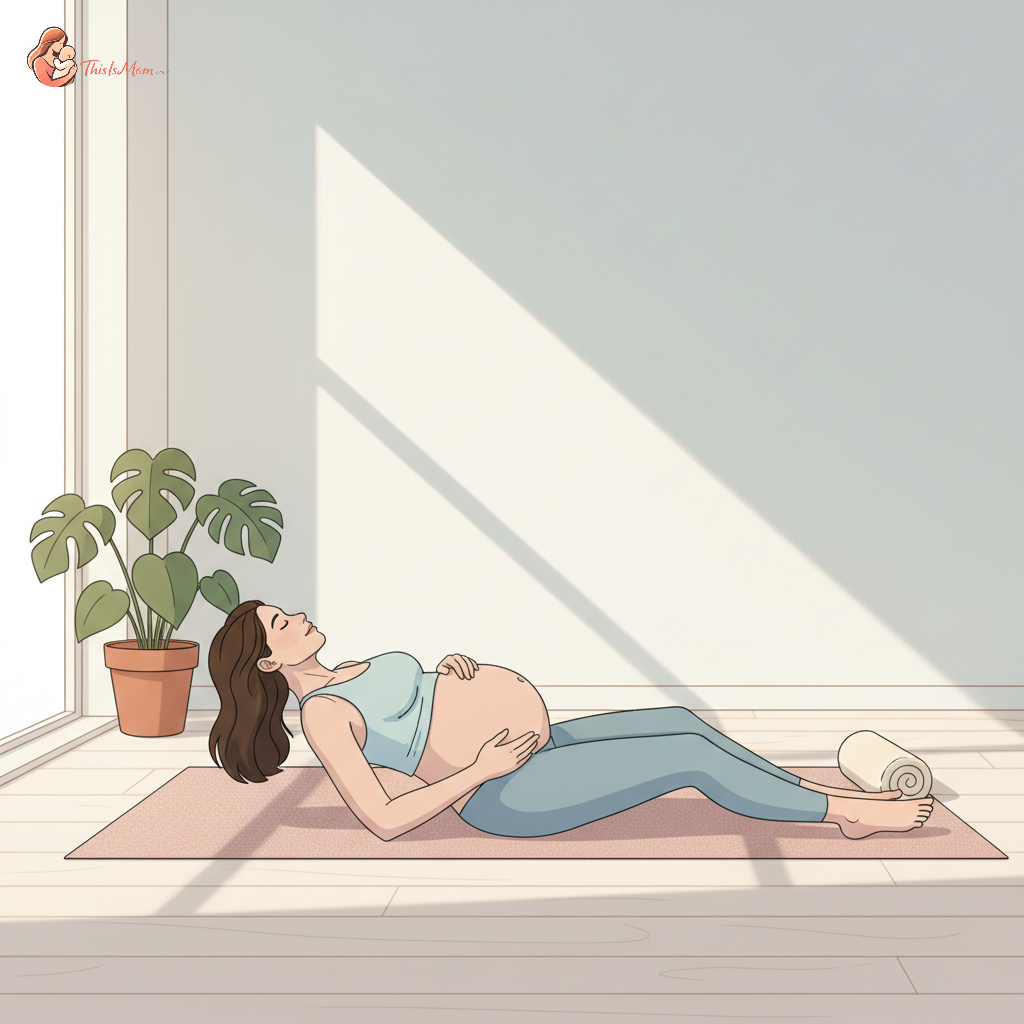
Honoring Your Body: Gentle Movements for Third Trimester Pelvic Pain
It's completely normal to experience aching, sometimes sharp, pelvic pain, especially as your third trimester progresses. Many mothers experience Symphysis Pubis Dysfunction, or SPD, which can feel like a significant roadblock to comfort. This kind of pelvic pain is common, but thankfully, there are ways to find relief. This guide aims to empower you with gentle movements and smart strategies to navigate SPD, honoring your body's incredible journey.
Understanding Your Pelvic Shift
What is SPD Pelvic Pain?
Symphysis Pubis Dysfunction (SPD) refers to pain in the pubic symphysis, the joint at the front of your pelvis where your pubic bones meet. This joint is normally quite stable, but during pregnancy, hormones like relaxin are released to help your body prepare for birth by softening ligaments. Sometimes, this softening, combined with the growing weight of your baby and changes in your posture, can lead to increased movement or separation of the pubic bones, causing discomfort. You might feel it as a deep ache, a sharp stab, or a grinding sensation.
Why the Third Trimester?
The third trimester is often when SPD pain becomes more pronounced. This is largely because your baby is growing significantly, putting more pressure on your pelvis. Hormonal changes are also at their peak, and your body is experiencing its most dramatic physical shifts. As your center of gravity changes and your stride might widen to accommodate your belly, the forces on your pubic symphysis can increase, making the discomfort more noticeable. It’s your body’s way of adapting, but it doesn’t have to be a painful adaptation.
Gentle Movements to Ease Your Pelvis
Finding ways to move that support, rather than strain, your pelvis can make a world of difference. These gentle exercises for SPD pelvic pain in the third trimester are designed to build stability and mobility without exacerbating discomfort. Remember to listen to your body; if any movement increases your pain, ease up or stop.
Pelvic Tilts and Cat-Cow Stretches
These classic movements are fantastic for promoting gentle spinal mobility, which can indirectly relieve pelvic pressure.
- Pelvic Tilts: Lie on your back with knees bent and feet flat on the floor. Gently flatten your lower back against the floor, engaging your abdominal muscles slightly. Think of tilting your pelvis up towards your belly button, then release.
- Cat-Cow Stretch: Start on your hands and knees. As you exhale, round your spine towards the ceiling, tucking your chin (the "cat" pose), feeling a gentle stretch through your back. As you inhale, let your belly drop towards the floor, arching your back slightly and lifting your head (the "cow" pose). Move slowly and with your breath.
Supported Bridge Poses for Stability
A supported bridge can help activate gluteal muscles, which are crucial for pelvic stability, without putting direct pressure on the pubic symphysis.
- Lie on your back with knees bent, feet flat on the floor, hip-width apart.
- Gently press into your feet and lift your hips just a few inches off the floor.
- Focus on engaging your glutes rather than arching your back.
- Hold for a few breaths, then slowly lower down. You might place a pillow or yoga block beneath your sacrum for added support if lying flat is uncomfortable.
Gentle Hip and Inner Thigh Stretches
Tight hips and inner thighs can contribute to pelvic pain by pulling unevenly on the pelvic structure. These pelvic stretches for pregnancy in the third trimester focus on gentle release.
- Butterfly Pose (Supported): Sit with the soles of your feet together, letting your knees fall open to the sides. Support your knees with pillows if needed. You can lean forward gently from your hips, keeping your back straight.
- Side-Lying Leg Lifts: Lie on your side with your bottom leg bent for stability. Keep your top leg straight or slightly bent. Gently lift your top leg without rocking your pelvis. Lower slowly. This strengthens hip abductors.
- Inner Thigh Stretch (Seated): Sit with legs extended. Gently bring the soles of your feet together, allowing knees to splay outwards. You can gently press your knees down with your hands or elbows, or simply hold the stretch.
Water Exercises for Buoyancy and Relief
The buoyancy of water can be incredibly liberating for those who need to adapt pelvic girdle pain exercises.
- Walking in Water: The resistance and support of water can make walking feel almost effortless. Try walking forward, backward, and sideways in chest-deep water.
- Knee-to-Chest in Water: Hold onto the side of the pool and gently bring one knee towards your chest, then the other. The water’s support can facilitate a gentle stretch.
- Gentle Squats: In shallow water, perform gentle squats, using the water’s buoyancy to aid movement.
The Importance of Proper Form
Always prioritize proper form over the number of repetitions or how deep a stretch feels. It’s better to do a few repetitions with perfect alignment than many with poor technique. Focus on controlled movements, engaging the correct muscles, and breathing deeply. If you're unsure, consider a session with a physical therapist specializing in prenatal care or DIY postpartum abdominal stretching.
Movements to Navigate with Caution
Some movements naturally put more stress on the pubic symphysis. Being aware of these can help you make informed choices about how you move throughout your day.
Movements That Worsen Pelvic Separation
Discover your baby's phase
- Crossing your legs: This puts direct pressure and strain on the pubic joint. Try to avoid crossing your legs when sitting or lying down.
- Wide straddles: Movements that spread your legs far apart, like wide squats or stepping with one leg too far forward or backward, can also increase discomfort.
- Rolling over in bed: This is a common culprit. Learn how to adjust baby nap schedule during pregnancy, as sleep can be challenging. Instead, try to bring your knees together and move your legs as a unit when turning.
High-Impact Activities and Jarring Motions
Anything that involves jumping, running, or sudden jarring can aggravate SPD.
- Avoid high-impact exercises like running or jumping.
- Be mindful of uneven surfaces when walking.
- If you're riding in a car, avoid bumpy roads if possible.
Why Pushing Through Pain Isn't the Answer
It’s tempting to just “power through” discomfort, but with SPD, this can actually worsen the inflammation and pain. Your body is sending you signals. Honor those signals. If a movement or activity causes pain, it’s a sign to stop or modify. Finding relief is about working with your body, not against it.
Daily Life Hacks for Comfort
Simple adjustments to your daily routine can significantly ease SPD pain. These SPD exercises for the third trimester are integrated into daily life.
Getting In and Out of Bed
This can be tricky.
- Getting In: Sit on the edge of the bed, bring your knees together, and then lie back, swinging your legs onto the bed as a unit.
- Getting Out: Bring your knees together, then push yourself up to a sitting position before swinging your legs over the side. Try to avoid pushing off with your hands from the mattress if it causes pain.
Sitting and Standing Strategies
- Sitting: Sit with your feet flat on the floor, or cross your ankles. Avoid slouching; try to sit upright with good posture. A lumbar support pillow can be helpful.
- Standing: Try to avoid standing for long periods, especially on one leg. When you do need to stand, shift your weight evenly between your feet.
Walking and Stair Climbing with SPD
- Walking: Take shorter steps. Try to keep your steps even and avoid jarring. Imagine you’re walking on a very thin line, leading with your core.
- Stairs: Take one step at a time. When going up, lead with your stronger leg. When going down, lead with the leg that has less pain. Holding onto a handrail is key.
Support Belts and Other Aids
Many mothers find immense relief from wearing a maternity support belt. These belts can help lift your belly and provide gentle compression, stabilizing the pelvis and reducing the strain on the pubic symphysis. There are different types, so talk to your care provider or a physical therapist about what might be best for you.
When to Seek Professional Guidance
While many of us find ways to manage SPD at home, there are times when professional support is invaluable.
Recognizing Persistent or Worsening Pain
If your pain is severe, significantly impacting your mobility, or not improving with home care strategies, it's time to reach out. Don't hesitate to communicate with your OB-GYN or midwife. They can assess your situation and offer further recommendations.
Benefits of Professional Guidance and Personalized Plans
A physical therapist specializing in pelvic floor health can be a game-changer. They can:
- Provide a precise diagnosis and understand the nuances of your specific pain.
- Develop a personalized program of gentle exercises for SPD pelvic pain in the third trimester tailored to your needs.
- Teach you specific techniques for daily activities.
- Offer manual therapy to help release muscle tension around the pelvis.
- Provide education on how to manage your symptoms through labor and postpartum.
Caring for your pelvic health is a vital part of your pregnancy journey.