Gentle Nap Extenders: 7 Tips for Your 5-Month Short Napper
Struggling with a 5-month-old short napper? Discover gentle nap extender techniques and environment tips to help your baby sleep longer and improve daytime rest.
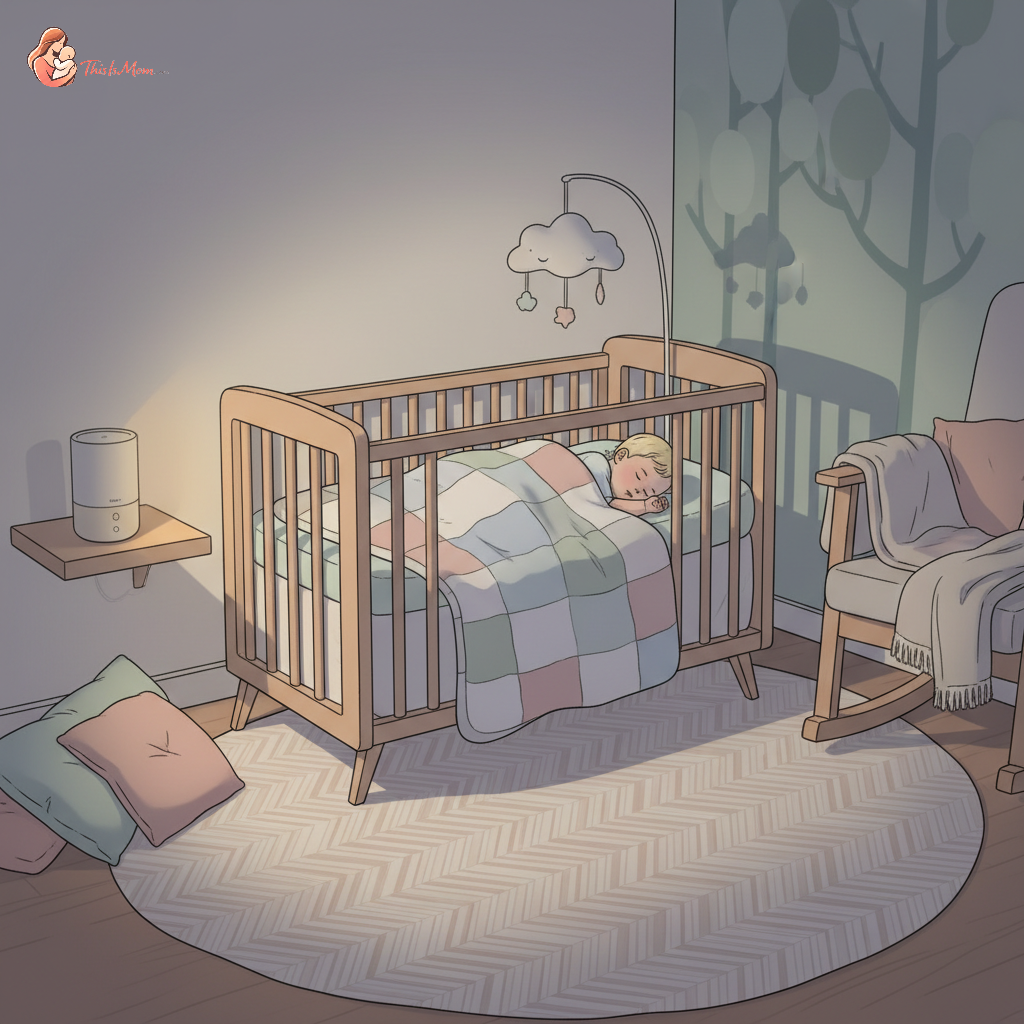
The 5-Month Nap Hurdle: Navigating the Short Nap Maze
It was 4:03 a.m. when I finally surrendered. Noah was stirring again, his little whimpers a familiar soundtrack to my existence. I stumbled out of bed, the bone-deep exhaustion a constant hum under my skin. Another 30-minute nap. Another wake-up just as I thought I might actually get something done. As I stared out the window at the inky Brooklyn sky, a silent question echoed: was this just the new normal for my 5-month-old?
Honestly, I had no idea. They tell you about the sleepless nights, the feeding marathon, the sheer volume of laundry. But the nap situation? That’s a whole other beast for many of us navigating this motherhood journey. If you’re here, chances are you’re dealing with a 5-month-old short napper, wondering how to encourage baby to nap longer than 30 minutes. Let me tell you, you are so not alone.
The 5-Month Nap Struggle: Are Short Naps Normal?
Five months is… a transition time, shall we say? Your baby is growing, developing new skills, and their sleep cycles are starting to mature. This means they're moving through lighter and deeper stages of sleep more frequently. Sometimes, that transition between sleep cycles is just a little too bumpy for them to cruise through independently. They might be experiencing a brief period of wakefulness and simply not yet have the tools to fall back asleep on their own.
For parents, that 30-minute nap feels like a cruel joke. It’s just enough time to sit down, maybe start tidying up, or even just take a deep breath, and then BAM! The monitor lights up, the fussing starts, and you’re right back to square one. It disrupts everything: your ability to recharge, your ability to get anything done, your own precious mental space. It’s utterly exhausting.
Setting the Stage for Longer Naps (Before the Nap Even Starts)
Before we even think about extending a nap, we need to make sure the conditions are as optimal as possible. Think of it like preparing a perfect cozy nest.
Optimizing the Sleep Environment
This is non-negotiable. We want to create a sleep sanctuary. A dark, cool room is crucial. A pitch-black room, using blackout curtains if necessary, signals to your baby’s brain that it’s time to sleep. Aim for around 68-72 degrees Fahrenheit for the nursery. And white noise? A lifesaver. It muffles household sounds and mimics the womb.
Age-Appropriate Wake Windows
This was a game-changer for us. Understanding wake windows – the amount of time your baby can comfortably stay awake between sleeps – is HUGE. For a 5-month-old, these are typically around 1.5 to 2.5 hours. If they’re awake too long, they become overtired, making it harder to fall asleep and stay asleep. If they’re not awake long enough, they might not be tired enough to string sleep cycles together. It’s a delicate balance, but finding that sweet spot is key to longer naps.
The Gentle Nap Routine
A predictable nap routine, even a short one, can work wonders. It’s a signal to your baby that sleep is coming. This could be a quiet feeding, a few pages of a book, a lullaby, or a gentle back rub. Watch for those sleepy cues:
- Rubbing eyes
- Yawning
- Drawn-out stare
- Getting fussy or clingy
- Decreased activity
The moment you see these, it’s time to act and head for the nap space.
Gentle Nap Extender Techniques for Your 5-Month-Old
Okay, so the nap has started, and you can already feel it ending after 25 minutes. What now? These methods focus on supporting your baby back to sleep without resorting to full-on cry-it-out.
The 'Wake to Sleep' Method
Discover your baby's phase
This sounds counterintuitive. The concept is to gently rouse your baby right before they would typically come out of a sleep cycle and transition to a lighter one. For a 30-minute napper, this might be around the 20-25 minute mark. You don’t want to fully wake them – just rouse them enough so they shift into a slightly lighter sleep, which can sometimes help them reset and continue sleeping. It takes practice and good timing, but many parents find success with this.
The 'Hand-on-Chest' or 'Shush-Pat' Rescue
Your baby wakes up at the end of a cycle, a bit fussy. Gently go in. Instead of immediately picking them up, try placing a hand on their chest or tummy. Offer a soft shushing sound or a gentle pat to their back. Sometimes, just that familiar, reassuring presence is enough to help them drift back off. You're essentially providing a bridge to the next sleep cycle.
Practicing 'Crib Hour'
This strategy aims to teach your baby to learn to fall back asleep independently if they wake within a certain window. For a 5-month-old, you might aim for "crib hour." This means you will not intervene if they wake up between the start of the nap and 60 minutes in. If they wake up after 60 minutes and can't resettle, then you consider intervening. The idea is to give them that crucial opportunity to learn to self-soothe and extend their own naps. This requires patience and consistency.
Assisted Naps: Contact, Carrier, or Stroller
Sometimes, for your sanity, an assisted nap is the best nap. If you’ve tried everything else and your baby is clearly still tired, or you desperately need that 45-minute break, go for it. A contact nap (held by you), a babywearing session in a carrier, or a walk in the stroller can often result in longer, more restorative sleep. The key is to not let this become the only way they nap, but to use it strategically when needed. It’s not a failure; it’s survival!
Troubleshooting Common Short Nap Culprits
Even with the best intentions, naps can be tough. Let’s look at some common snags.
Is Hunger the Issue? Feeding Strategies
At 5 months, babies are still eating a lot! Sometimes, a short nap is simply because they are hungry and need to wake up to feed. Ensure you're feeding responsively. If you suspect hunger, try offering a feeding before the nap. If they wake up after 30 minutes and seem hungry, offer a feeding and then try for another nap cycle later in the day to ensure they get enough daytime sleep.
Overtired vs. Under-tired: Finding the Sweet Spot
We touched on this with wake windows. An overtired baby is wired and fussy, making it hard to fall and stay asleep. An under-tired baby simply won't sleep long because their body isn't signaling enough sleep pressure. Observe your baby carefully throughout the day. Are they getting fussy and rubbing their eyes around the 2-hour mark? Or are they playing happily and resisting sleep attempts after only 1.5 hours? Adjusting wake windows slightly can make a big difference.
Developmental Leaps Impacting Sleep
Five months is a hotbed of development! Babies are rolling, possibly teething, and developing more awareness. These leaps can temporarily disrupt sleep patterns. They might be practicing new skills and waking up out of excitement or because they’re startled by their own movements. It’s usually a phase, but recognizing these leaps can help you feel more prepared and less frustrated.
When to Call the Pediatrician
While nap struggles are common, there are times when it’s wise to get professional insight.
- Sudden changes: If your baby’s sleep has drastically changed, and it’s not related to a clear developmental leap or illness.
- Growth concerns: If you’re worried about their weight gain or overall development, a pediatrician can rule out any underlying medical issues affecting sleep.
- Signs of discomfort: If your baby seems consistently uncomfortable, is struggling with feeding, or shows other signs of illness (fever, fussiness that doesn't resolve, changes in bowel movements), it’s always best to seek medical advice. They can help ensure your baby is healthy and thriving.