Gentle Parenting a Tablet Tantrum: 7 Steps for Public Calm
Learn effective gentle parenting strategies for real-time response to a toddler throwing a tablet tantrum in public. Stay calm, set boundaries, and connect.
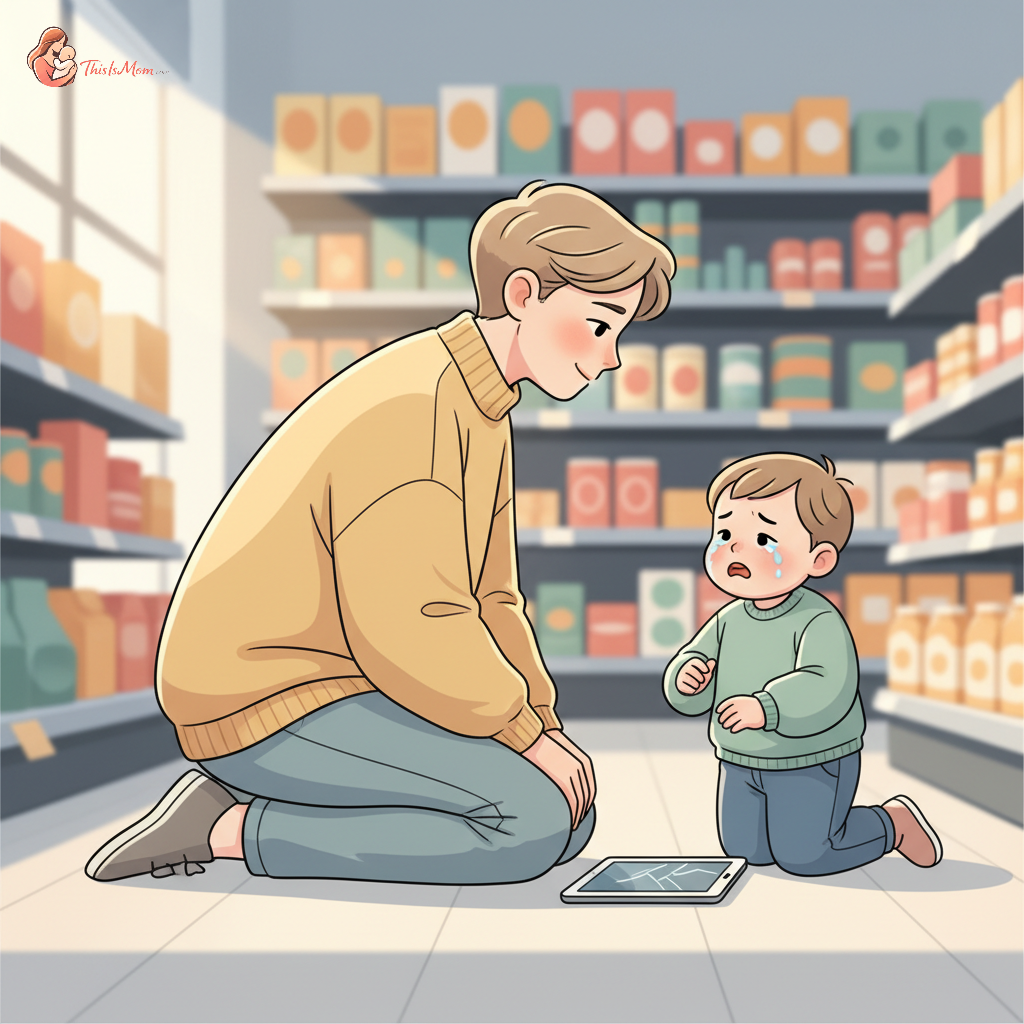
Taming the Tech Terror: Your Calm Approach to Public Tablet Meltdowns
With my first child, a public tantrum involving a dropped tablet once sent me scurrying to the car, certain the world was judging every parenting misstep. By my fourth, when the same scenario unfolded at the grocery store checkout, I managed a quiet sigh and a, "Okay, buddy, let's figure this out." Looking back, the difference wasn't in the child’s behavior or the public setting; it was in my own toolkit and the grace I’d learned to extend, both to my child and myself. If I could tell my younger self one thing about navigating these moments, it would be this: don't let the public spectacle derail your inner calm. This is where gentle parenting really shines, offering a path through the storm instead of just trying to survive it.
Understanding What's Really Going On
Toddlers and screens are a delicate dance, and when that dance goes wrong in public, it feels like a spotlight on your perceived failures. The truth is that a toddler having a tablet tantrum in public isn't a reflection of poor parenting; it's a snapshot of a child struggling to manage big feelings and understand boundaries.
The Screen Time Effect on Little Brains
Screens, while sometimes a lifesaver, can actually hinder a toddler's developing ability to self-regulate. Their brains are still learning how to process big emotions, and the instant gratification and stimulation of a tablet can make that process even trickier. When the screen is removed, or the fun stops, they haven't yet learned the internal tools to cope. For strategies on managing screen time, consider how you can transition from shows like Blippi & Cocomelon to educational apps to foster better self-regulation.
Why Public Meltdowns Feel Extra Hard
When a tantrum happens at home, it's contained. But in public, it feels like everyone is watching. The added pressure from onlookers, the fear of embarrassment, and the disruption to your carefully planned outing can amplify your own stress. This is where your gentle parenting response to a toddler throwing a tablet tantrum in public truly needs a solid foundation. Remember, your child is likely overwhelmed, and your calm presence is their anchor.
Setting the Stage Before You Leave the House
The best way to handle a public tablet tantrum is often to prevent it from happening in the first place. This means being intentional before you even step out the door. Managing expectations for public outings is crucial for your own peace of mind.
Screen Time Rules at Home, Rules on the Go
Before you leave, have a clear understanding about screen time. It's not a given that the tablet comes everywhere. Discuss when and for how long it might be appropriate – say, for a long car ride – and when it's a definite no-go (e.g., during a meal at a restaurant or at the park). Setting these boundaries at home makes them less of a surprise when you’re out and about. You can learn more about how to introduce screen time limits to a 3-year-old gradually to build a foundation for consistent rules.
Pocketfuls of Other Fun
Having a few non-tech distractions up your sleeve is key. A favorite small toy, a book with lift-the-flaps, or even a bag of special crackers can make a huge difference. These are your "quiet activity" backups for when waiting or traveling. Rotating these items keeps them novel and exciting.
In the Thick of It: Responding with Empathy and Strength
When the inevitable happens, and the tablet tantrum erupts in the middle of a store, the first instinct might be to grab the device and run. This is where a gentle parenting response focuses on connection, not immediate control.
Connect First, Correct Second
Your child is communicating distress. Your primary job is to acknowledge that distress before trying to solve the "problem" of the tantrum. Get down to their level, make eye contact if you can, and offer a simple validation: "You are so angry that the game stopped. It’s really hard when the fun is over." This helps your child feel seen, which is the first step to de-escalating.
The Unwavering Boundary
Discover your baby's phase
While validating emotions is vital, so is holding firm to your limits. "I understand you're upset, and the tablet needs to go away now because we are at the grocery store." The key is delivering this boundary calmly and consistently. It's not about punishing; it's about teaching responsible use and understanding limits. This aligns with strategies for how to transition off screen time without a tantrum.
Your Own Inner Calm is Contagious
This is perhaps the most challenging, yet most powerful, aspect of gentle parenting in public. If you're flustered, anxious, and embarrassed, your child will pick up on that, escalating their own distress. Take a deep breath. Remind yourself that this is a temporary phase. Your ability to regulate your own emotions is the bedrock of your child's ability to learn to regulate theirs. Consider practicing techniques like military breathing to stop parenting burnout to maintain your own composure.
Navigating the Public Toddler Storm
When you're in the thick of a public meltdown, having a plan—even a loose one—can be a lifesaver. How to handle a toddler tantrum using gentle parenting in public is about showing your child big emotions are manageable.
Finding a Softer Landing Spot
If possible, kindly and calmly say, "It seems like you really need a break. Let's step over here for a moment," and guide them to a slightly quieter corner or a bench. This can remove the added stimulus of the public space and give you both a little breathing room. It's not about hiding the behavior, but about creating an environment where true de-escalation can occur.
Choices as Tools for Empowerment
Once you've connected and validated, offering small, acceptable choices can give your child a sense of control. "Would you like to hold my hand while we walk to the car, or would you like me to carry you?" or "We can leave the store now, or we can finish getting one more thing and then go." These aren't about negotiating the non-negotiable (the tablet is off), but about empowering them within the necessary structure. This mirrors the approach in 4 French parenting lessons for calm, capable kids.
The Art of Disengaging and Re-engaging
Sometimes, when a child is completely consumed by their tantrum, the best thing you can do is to be a calm, present witness. You can offer comfort, but you don't need to engage in a lengthy argument. Once the intense emotions start to subside – when the sobbing quiets or the screaming stops – that's your cue to gently re-engage. "It looks like you're feeling a little calmer now. We can talk about what happened."
Coming Back Together and Growing
The tantrum may be over, but the work of parenting continues. Reconnecting is crucial for your child's sense of security and for reinforcing your bond.
Mending the Connection
As soon as possible, after the storm has passed and everyone is calm, take a moment to reconnect. A hug, a shared quiet activity, or a simple, "I love you, even when things are hard," can go a long way. This reinforces that your love is unconditional, even during difficult moments.
Learning from the Experience
Each public tantrum is a valuable lesson. What triggered it? Could we have prepared differently? Was the outing too long or too stimulating? This reflection isn't about blame; it's about gathering information to make future outings smoother. It helps build that ‘by my fourth’ wisdom.
Knowing When to Seek Extra Support
Most public toddler tantrums are a normal part of development. However, if these episodes are extremely frequent, intense, or you’re finding yourself consistently overwhelmed and unable to cope, it can be helpful to speak with your pediatrician or a child development specialist. They can offer tailored strategies and reassurance.