5 Tips: How to Transition Off Screen Time Without Tantrums
Learn expert strategies to transition kids off screen time without tantrums. Discover proactive methods, in-moment techniques, and long-term tips for calm screen time endings.
How to Transition Off Screen Time Without a Tantrum: Your Aha! Moments
With my first kiddo, the phrase "Screen time is over!" was practically a curse word. It was a guaranteed trigger for tears, screams, and a full-blown meltdown. By my fourth, I’ve learned that approaching the end of screen time is less about a battle of wills and more about understanding what’s happening in their little brains. If I could tell my younger self one thing about how to transition off screen time without a tantrum, it would be this: slow down, get curious, and prepare for the shift.
Why Screen Time Transitions Are So Hard (and What's Really Going On)
Looking back, I spent so much energy trying to force compliance. I thought if I was just firm enough, or quick enough, the tantrum wouldn't happen. The truth nobody tells you is that when you’re dealing with a screen, you’re often dealing with more than just a device. You're nudging a child away from a powerful source of immediate gratification. The Pediatrician Recommended Screen Time Limits for 2-Year-Olds guide focuses on age-appropriate limits.
The Dopamine Dilemma: Understanding Your Child's Brain
Screens are designed to be engaging. That colorful show, that fast-paced game – they actually tap into your child's pleasure center, releasing dopamine. It’s a little like a reward system in their brain. So, when you pull the plug, you’re not just ending a show; you’re interrupting that good feeling. Their brain is saying, "Hey, where did that go? I want more!"
The Power Struggle: It's Not Just About the Screen
Often, the battle over screen time isn't really about the screen itself. It’s about control. For young children, their world can feel very dictated by adults. When it's time to stop an activity they enjoy, it can feel like another instance of being told "you can't" or "you must." This is where the power struggle really kicks in. They’re asserting their independence, even if it’s in a way that’s disruptive. Successfully managing how to end screen time without struggle means recognizing this underlying need for agency, as detailed in this toddler tantrum when screen time ends: gentle parenting guide.
Setting the Stage: Proactive Strategies for Smoother Screen Time Ends
The best way to avoid ending screen time without a struggle is to prepare for it before it even starts. This proactive approach sets clear expectations and makes the transition a lot less jarring.
The 'When-Then' Method: Clear Expectations Before It Starts
This is a game-changer. Before the screen even turns on, use a clear "when-then" statement. For example, "When you finish this episode, then we will go play at the park." This frames the screen time as a part of a larger, enjoyable sequence of events, rather than the only enjoyable event. It creates a natural bridge to what comes next.
Visual Timers and Verbal Warnings: Countdown to Calm
With all my kids, from the earliest ages, visual timers have been GOLD. We use a simple sand timer for younger ones, or a digital countdown timer they can see. About 10 minutes before screen time is due to end, say, "In 10 minutes, screen time will be over. We'll be transitioning to [next activity]."
Repeat again at 5 minutes, and then at 2 minutes. This repeated, gentle reminder gives their brain time to process the coming change. It’s not a surprise ambush. For older kids, you can use phone timers or smart speaker reminders.
Offering Choices (Within Limits): Empowering Cooperation
Once the warnings are given, and you're approaching the end, offer a choice about what happens next. This gives them a sense of control. "Would you like to turn off the tablet and then we can build with Legos, or would you prefer to pause the game and we can read a book together?"
The key here is that the choice is about the transition activity, not about whether to stop screen time. This is a crucial distinction for how to reduce child's screen time tantrums.
The Transition Playbook: What to Do in the Moment
Even with the best preparation, there will be times when the transition is bumpy. This is where your calm presence and gentle guidance come in.
Empathy First: Validating Feelings Without Giving In
When the "It's over!" moment hits, your child might still be upset. Acknowledge their feelings. "I know you're sad that your show is finished. It was a really fun episode, wasn't it?" Use validating language. "It's hard to stop doing something you enjoy."
This doesn't mean you cave. It means you show them you understand their disappointment. This empathy is often the first step to de-escalating.
Discover your baby's phase
Gentle Distraction: Bridging the Gap to the Next Activity
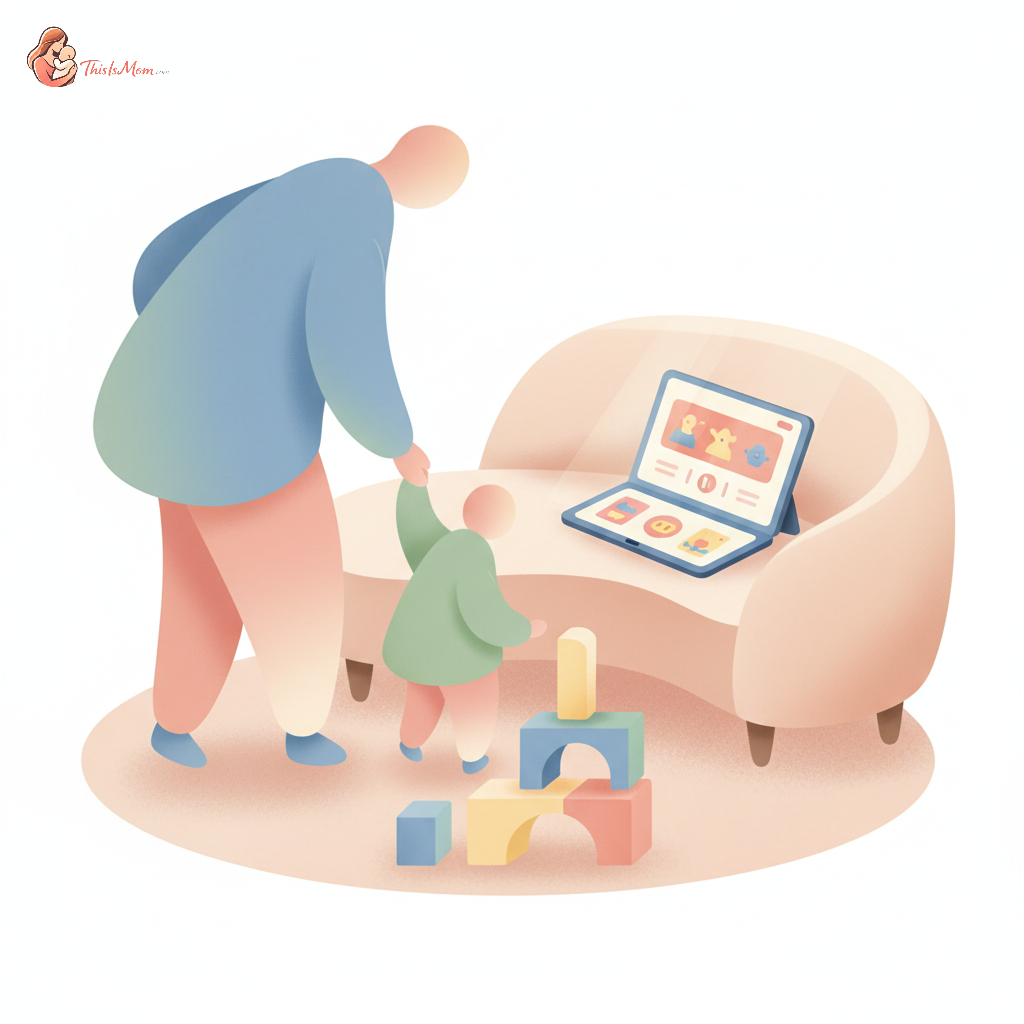
Once they've expressed their feelings, use your planned alternative. "I see you're sad. Let's go look at those building blocks. I wonder if we can build the tallest tower ever today?" You might need to physically guide them, but keep your tone light and your focus on the new activity. This helps to stop screen time meltdowns by redirecting their energy. Discover more transition activities after screen time for toddlers to make this easier.
The 'No-Negotiation' Calm: Holding Firm With Kindness
There are times when you have to be firm. You’ve given warnings, you’ve offered choices, and now it's simply time. In these moments, your response is everything. Hold firm to your boundary, but do it with a calm, kind demeanor. "The screen is finished for today. I love you, and our screen time limit is [time/rules]." Repeat this message without getting drawn into arguments.
How to Stop Screen Time Meltdowns: De-escalating With Connection
If a full-blown meltdown does occur, remember that your child is overwhelmed. Your primary goal is to help them regulate, not to win the argument. This is where connection trumps correction.
Acknowledge the Big Feelings: 'I See You're Sad It's Over'
During a tantrum, getting them to listen to logic is impossible. Instead, focus on being a safe harbor. Get down to their level. "I see you're feeling really angry right now because screen time is over. It's okay to feel angry."
You can offer a hug if they'll accept it. Sometimes, just sitting beside them quietly until the storm passes is the most helpful thing you can do.
Physical Closeness and Comfort: Reconnecting After the 'Loss'
Once the intensity starts to fade, reconnection is key. Offer a comforting touch – a hand on their back, a gentle arm around their shoulders, or bringing them into a warm hug. This physical closeness helps them feel safe and re-establishes your bond. Even if they initially resisted, their nervous system often calms with this reassurance.
Moving On: Shifting Focus to an Engaging Alternative
As they begin to regain composure, gently reintroduce the next activity. "You did a great job calming down. Let's go see if we can spy any birds outside." or "How about we get out those cool new crayons and draw some pictures?" This signifies that the difficult moment has passed and something positive is happening next.
Long-Term Game Plan: Reducing Reliance on Screen Time
While managing transitions is crucial, the bigger picture involves gradually reducing reliance on screens for entertainment. This is the long game for how to end screen time without struggle for good.
Consistent Routines: Predictability is Key
Children thrive on predictability. Having a clear daily rhythm that includes set times for meals, play, reading, and yes, screen time (and its end), can significantly reduce resistance. When they know what to expect, transitions often happen more smoothly because they aren't caught off guard.
Enriching Alternatives: Igniting Other Interests
The most effective way to reduce screen time battles is to make other activities more appealing than screens. Rotate toys, engage in hands-on crafts, foster a love for reading, get outdoors for active play. The more varied and engaging their "real-world" experiences are, the less power screens will hold.
Leading by Example: Your Screen Habits Matter Too
Looking back, I realize how much my own screen use influenced my children. If you're constantly on your phone or tablet, it's harder to set firm boundaries for them. Be mindful of your own screen habits. Demonstrate that life is rich and full of experiences beyond the glowing rectangle.
What to Skip:
- Buying every single educational app on the market.
- Negotiating the moment the timer goes off.
- Comparing your child's screen habits to others.
- Feeling guilty when they get upset about stopping.
What to Invest In:
- A good visual timer.
- Patient, consistent language.
- A variety of offline activities.
- Your own emotional regulation during transitions.