3 Gentle Sleep Training Methods for Anxious Parents
Discover 3 gentle sleep training methods tailored for anxious parents. Learn responsive approaches like Pick-Up/Put-Down, Chair Method, and Fading to help your baby sleep without sacrificing connection.
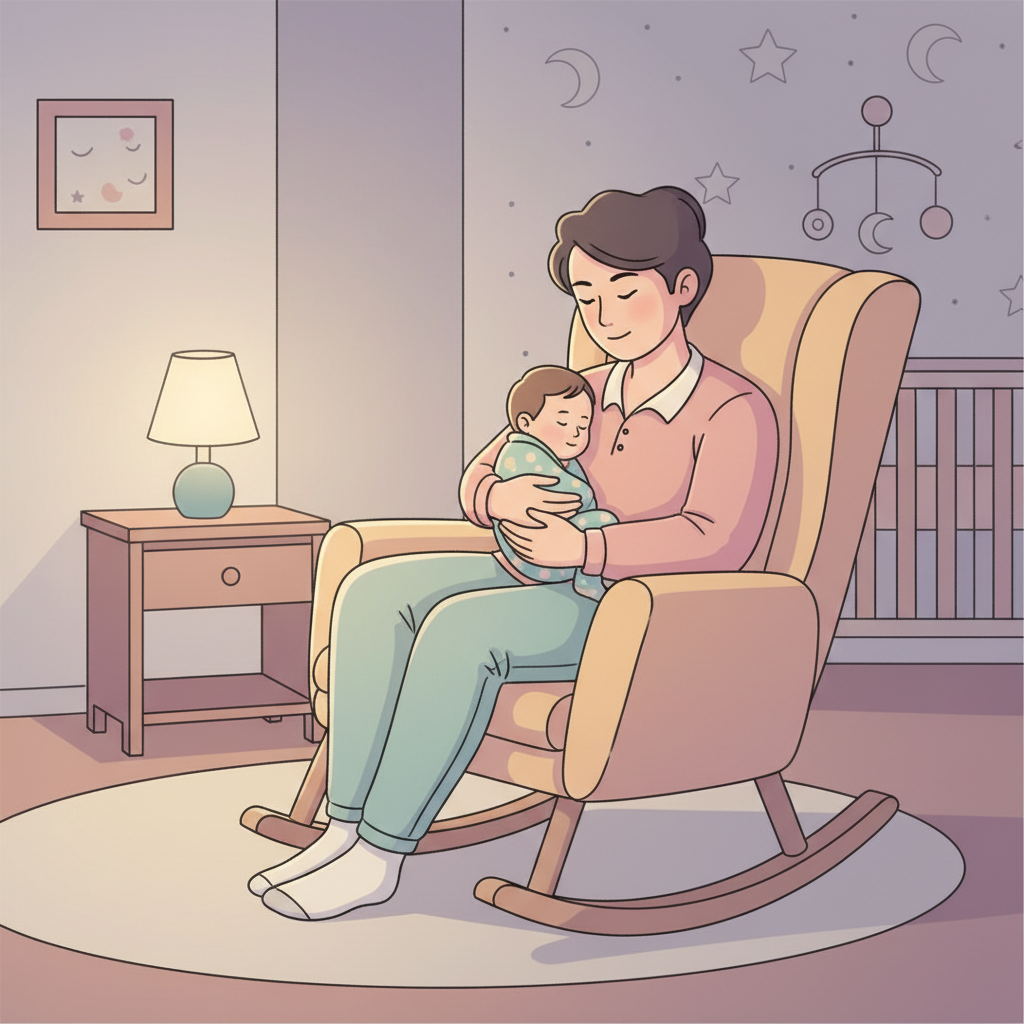
- Gentle Sleep Training Methods for Anxious Parents
It was 2:17 a.m. when I finally heard it – that soft, sighing breath that meant Noah was finally asleep. My own body felt like a deflated balloon, bone-tired but buzzing with adrenaline from the last hour of reassuring cries and gentle rocking. I tiptoed out of his room, leaving the door cracked just enough to hear him, and collapsed onto the couch. And I thought, again, this is so much harder than I ever imagined. If you're here, reading this late at night, perhaps you're feeling that too. The pressure to “sleep train” can feel immense, but the thought of letting your little one cry alone can be gut-wrenching. That’s why we're diving into gentle sleep training methods for anxious parents, because your feelings are valid, and there are ways to help everyone get more rest without sacrificing that precious connection.
Why "Cry It Out" Isn't for Everyone
Look, the promise of a full night's sleep is a powerful one. But for many, the idea of leaving a baby to cry it out can feel wrong – like a betrayal. Your instinct might scream to rush in, to comfort, to hold. If that resonates with you, you're not alone. Many parents find traditional "cry it out" methods don't align with their parenting philosophy or personal comfort levels.
For some, past experiences or a general disposition lead to heightened sensitivity to a baby's distress. There might be anxieties about attachment, or simply a deep-seated belief that babies need presence when they're upset.
Sleep deprivation itself can amplify anxieties, making parents feel even less equipped to handle perceived "tough love." It’s a challenging cycle to break.
The Science Behind Soft Approaches
The good news is you don't have to choose between your baby's need for comfort and your own sanity. Research suggests that responsive parenting, which includes responding to your baby’s cues, actually builds secure attachment. Gentle sleep training isn't about ignoring your baby; it's about teaching them to self-soothe in a way that respects their developmental stage and your parental style.
Pediatricians and child development experts increasingly advocate for approaches that prioritize connection. They understand that sleep is a learned skill, and like any skill, it can be taught with patience and support, rather than abandonment.
Your Toolkit for Gentle Sleep Training
So, what does "gentle" actually look like when it comes to sleep? It means choosing methods that keep you connected and responsive, gradually guiding your baby toward more independent sleep.
1. The Pick-Up/Put-Down Method: Responsive Comfort
This is one of the most well-known gentle sleep training methods, and for good reason. It’s all about being present and responsive.
When your baby cries at the beginning of the night or during a wake-up, you go in. You offer comfort – holding, rocking, singing – but as soon as they're calm, you gently put them back down in their crib awake. If they start crying again, you repeat the process. This cycle of comfort and gentle redirection requires patience, as it can take time for your baby to learn the cues. For babies around 4 months old, this can be particularly effective as they are starting to develop more predictable sleep patterns; learn more about this age group.
2. The Chair Method: Gradual Distance, Constant Presence
This approach involves sitting next to your baby's crib in a chair until they fall asleep. Each night, you gradually move the chair a little further away. Your presence is a constant reassurance, slowly signaling that you're there even as you increase the distance.
This method allows your baby to see you and know you're nearby. It’s a form of respectful sleep training because you're not leaving them to face their fears alone. It works well for parents who want to stay close while slowly increasing their baby's comfort with falling asleep independently. For parents considering transitioning their baby from a bassinet, this method can be particularly helpful, especially if your baby won't sleep in the bassinet.
3. The Fading Method: Slowly Stepping Away
The idea here is to gradually reduce the amount of help you provide at bedtime and during wake-ups. If you usually rock your baby to sleep for 20 minutes, you might start by rocking for 15 minutes, then 10, and so on. Or, if you nurse them to sleep, you could try to stop nursing just before they drift off. Many parents find they can use this method to gently night wean a 9-month-old.
The fading method sleep training is about taking it slow. You're still offering support, but you're slowly teaching your baby to take on more of the settling process themselves.
Respectful Sleep Training: Nurturing Independence
At its core, respectful sleep training acknowledges that your baby is an individual with feelings and needs. It’s about building trust and security, rather than overcoming resistance. These methods focus on consistency, predictability, and a deep understanding of your child's cues.
It's not about ignoring your baby, but about helping them learn a new skill – sleep – in a way that feels safe and supported for everyone.
Setting Yourself Up for Gentle Sleep Success
No matter which method you choose, a few key things can make a big difference. Think of these as your foundational pieces for a more rested future.
Pre-Sleep Routine: Consistency is Key
Babies thrive on predictability. A calming, consistent bedtime routine signals to your baby that it's time to wind down. This could include a bath, a massage, a story, and some quiet cuddles. The goal is to create a peaceful transition from playtime to sleep time.
Discover your baby's phase
Doing the same sequence of events every night, in the same order, helps your baby relax and prepare for sleep. This is also crucial when trying to maintain a consistent routine across daycare and home.
Timing and Readiness: Is Your Baby Ready?
This is crucial. Most experts suggest waiting until at least 4-6 months for any formal sleep training. Before this, babies are still very much in the newborn phase where frequent waking is normal. For example, a 5-month-old waking every hour might still be within normal developmental patterns.
Look for signs that your baby might be ready: they're sleeping longer stretches at night (even if not all night!), they're not experiencing major developmental leaps (like starting solids or teething intensely) that can disrupt sleep. Gentle sleep training 6 months and up is often a sweet spot for many families.
Creating a Safe and Calm Sleep Environment
This might seem obvious, but it’s worth reiterating. Ensure your baby’s sleep space is dark, quiet (or has white noise), and at a comfortable temperature. A safe crib, free of bumpers and loose bedding, is paramount. For instance, knowing how to keep baby warm in the crib without blankets is essential for safe sleep.
A predictable environment removes unnecessary distractions and helps your baby focus on settling down.
Navigating Bumps in the Road: What to Expect
Let's be honest, this isn't a magic wand. There will be moments when you feel like you're back at square one.
When Progress Feels Slow
Sometimes, you might implement a method, and it feels like nothing is changing. Naps might still be short, night wakings frequent. This can be incredibly discouraging.
Remember that gentle sleep training is a marathon, not a sprint. It can take weeks, not days, to see significant changes. Celebrate the small wins – a slightly longer stretch, a quicker settling time. For example, if your baby only naps 30 minutes in the crib at 6 months, patience and consistent application of gentle methods are key.
Handling Setbacks and Sleep Regressions
Sleep regressions are real, and they can throw even the most consistent parents for a loop. Illness, travel, teething, developmental leaps – they all impact sleep.
When a regression hits, the best thing you can do is offer extra comfort and support. Go back to basics if needed, and then slowly reintroduce your chosen sleep strategies once the disruption passes.
Listening to Your Gut (and Your Baby!)
This is perhaps the most important piece of advice. Trust your instincts. If a particular method feels truly awful to you, or if your baby is showing signs of extreme distress that aren't easing with comfort, it’s okay to reassess.
You know your baby best. Your intuition is a powerful tool. If something feels too hard emotionally, it might not be the right fit for your family right now.
Gentle Sleep Training at Different Ages
The approach to sleep teaching definitely evolves as your baby grows.
Infants (0-5 Months)
During these early months, the focus is less on formal "training" and more on establishing healthy sleep habits. This means responding to your baby’s needs, creating a consistent bedtime routine, and helping them distinguish between day and night. Don't stress too much about strict schedules yet.
Babies 6 Months and Up
This is often when many parents begin exploring more structured approaches. As mentioned, gentle sleep training 6 months and older can be highly effective with methods like pick-up/put-down or the chair method. Babies at this age are more capable of learning sleep associations and self-soothing cues.
When to Talk to Your Pediatrician
If you have significant concerns about your baby's sleep, or if you suspect an underlying issue like reflux, allergies, or other medical conditions contributing to poor sleep, it's always a good idea to consult your pediatrician. They can rule out any medical issues and offer personalized guidance.
You are doing an amazing job. This newborn and baby phase is an intense, beautiful, and often overwhelming journey. The fact that you're seeking out resources and trying to find a way forward for both your baby and yourself speaks volumes. Remember to be kind to yourself, trust your intuition, and know that you are not alone in this. Better sleep is within reach, and you can get there with love and a gentle hand.