Gentle Tips: Baby Nap Refusal at 6 Months (No Crying!)
Is your 6-month-old refusing naps? Discover gentle, no-cry tips and strategies to help your baby settle, extend naps, and establish healthy sleep habits.
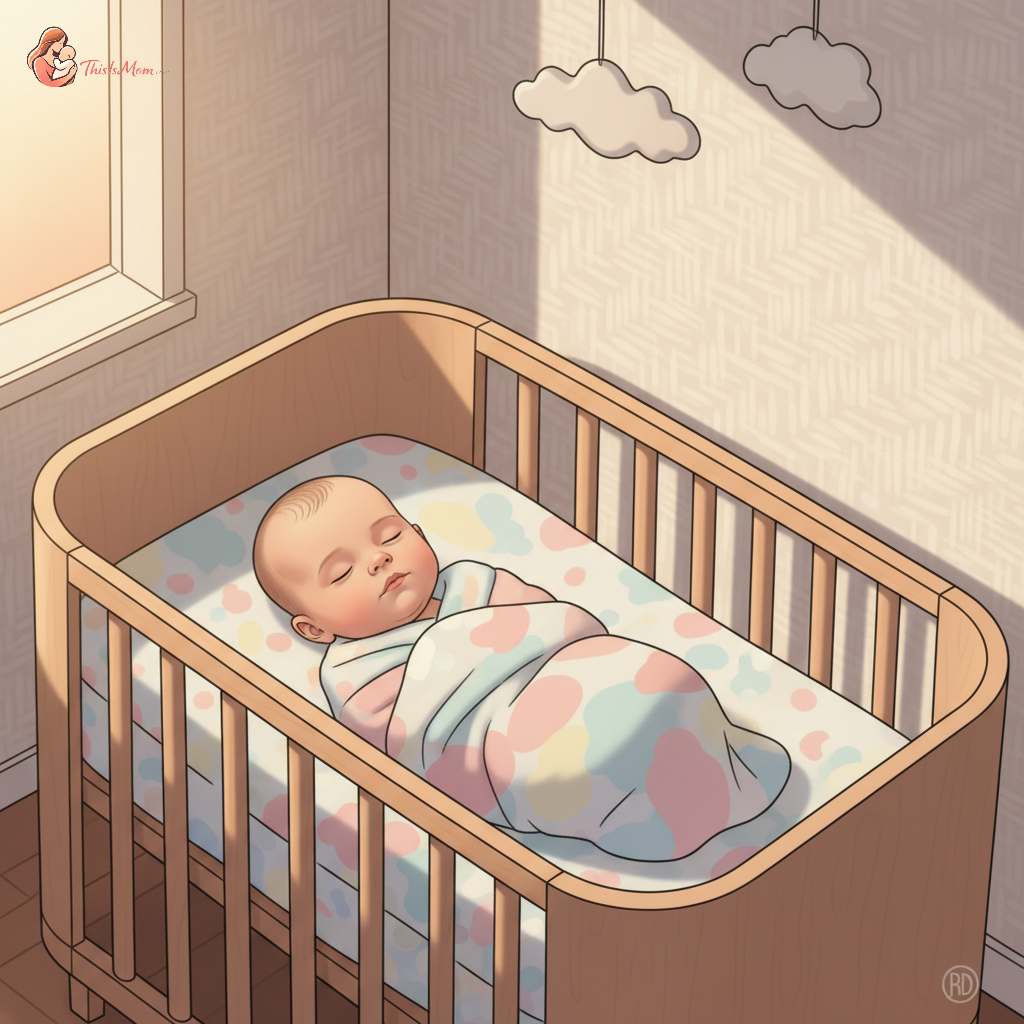
Gentle Tips for Baby Nap Refusal at 6 Months Without Crying
Is your six-month-old suddenly resisting naps? This common challenge can be frustrating, but thankfully, there are gentle, evidence-based strategies that can help ease this transition without tears. As a mom who values understanding the 'why' behind baby behavior, I know how crucial it is to approach sleep with patience and a focus on research-backed methods.
At six months, many babies experience developmental leaps, increased independence, and evolving sleep needs. This combination can lead to a temporary period where your baby seems to be actively fighting sleep, even when clearly tired. Understanding these changes is the first step towards supporting them.
Understanding 6-Month Nap Refusal
Six months is often a period of significant growth and change, which profoundly impacts sleep patterns. New skills, like sitting up or rolling, emerge rapidly. This can sometimes lead to what feels like nap refusal, but it's often a sign of a shifting sleep landscape rather than a deliberate act of defiance.
Guidelines from organizations like the American Academy of Pediatrics (AAP) highlight that sleep is a dynamic process. Around this age, babies become more aware of their surroundings. They might be so engaged with the world that they don't want to miss out, leading to increased alertness that can be mistaken for not being tired.
Signs Your Baby Is Tired — Even When Resisting Sleep
Recognizing subtle cues is key when your baby won't nap but isn't crying. Overtiredness can paradoxically make a baby less likely to fall asleep easily. Look for signs such as:
- Rubbing eyes or ears
- Yawning (can be a late sign)
- Becoming less interested in play
- More fussiness or irritability than usual
- A glazed-over look
Distinguishing these tired cues from genuine overstimulation is important. Overstimulation often makes babies wiggly, alert, and harder to engage, while tiredness usually brings a decrease in overall engagement and more deliberate signs of fatigue.
Creating the Ideal Environment for No-Cry Naps
Establishing a consistent and calming sleep environment is foundational for encouraging peaceful naps without tears. The goal is to signal to your baby that it’s time to wind down and rest, making the transition as smooth as possible.
The Power of a Consistent Pre-Nap Routine
A predictable pre-nap routine, even if short (5-10 minutes), signals to your baby that it’s time for sleep. This could involve a quiet game, a short story, a lullaby, or a gentle massage. Consistency is more important than the exact activities. This predictability helps calm their nervous system, preparing them for rest.
Optimizing the Sleep Space: Dark, Quiet, and Cool
The AAP recommends a sleep environment that is conducive to sleep. For naps, this typically means a dark, quiet, and cool room. Blackout curtains can be very effective in blocking out light that might stimulate your baby. While complete silence isn’t always necessary, minimizing disruptive noise is beneficial. A slightly cooler temperature also promotes better sleep.
When to Put Baby Down: The Sweet Spot
The AAP offers guidance on recognizing sleepy cues. The "sweet spot" is when your baby shows clear signs of tiredness but is not yet overtired and frantic. Putting a baby down when they are just beginning to show tired signs allows them to settle more easily. Waiting too long can lead to overtiredness, making it harder for them to fall asleep and potentially leading to increased crying.
Gentle Strategies for Encouraging Independent Napping
When your baby refuses to nap but is tired, gentle sleep training for 6-month-old naps involves techniques that promote self-soothing without distress. The focus is on providing comfort and support while encouraging independent sleep.
The 'Shush-Pat' Technique
A popular gentle method, 'Shush-Pat,' involves staying with your baby and offering calming vocalizations (a gentle "shush") and touch (patting their back or chest) as they settle. The key is to be consistently soothing but to gradually lessen the intensity of these interventions as your baby begins to relax. The goal is to help them feel secure enough to drift off without needing to be held constantly.
Discover your baby's phase
Staying Nearby: Proximity Without Holding
For babies who struggle with being put down, sometimes just being present nearby can make a significant difference. As guidelines suggest, offering reassurance through your voice or a brief touch helps your baby feel safe. This approach honors your baby's need for connection while still encouraging them to learn to settle in their crib.
How Long to Let Baby Try to Settle (If Not Crying)
If your baby is making gentle noises or fussing but not crying, research suggests allowing a short period for them to try to resettle. This might be 5-10 minutes of quiet fussing. If fussing escalates to crying, you can then use your chosen gentle methods to soothe them. This approach helps build self-soothing skills without exposure to prolonged distress.
Addressing the 30-Minute Nap Issue: Connecting Sleep Cycles
It's common for babies around this age to have naps that are only 30 minutes long, often called "short naps." This can happen because they are not yet proficient at transitioning between sleep cycles. If your baby wakes after 30 minutes but is not crying and seems content, you might allow them to play quietly for a few minutes before attempting to resettle. Sometimes, a gentle re-shush or pat can help them fall back asleep for a longer nap.
Troubleshooting Common Nap Challenges at 6 Months
Navigating nap refusal involves understanding the nuances of your baby's sleep and being flexible. Not every nap will be perfect, and that’s okay.
Nap Refusal Without Crying: When to Intervene
If your 6-month-old's nap refusal happens without crying, it can be confusing. They might be awake and playful in their crib. In this scenario, the AAP suggests that if they are not distressed, it's often best to let them be for a little while, as they might resettle or simply be having a brief period of wakefulness. However, if they seem genuinely tired and are just struggling to transition, gentle intervention as described above is appropriate.
Day Naps vs. Nighttime Sleep: Understanding the Connection
Daytime sleep and nighttime sleep are interconnected. If your baby’s nighttime sleep is well-established, it can positively influence their daytime naps. Conversely, overtiredness during the day, often due to nap refusal, can lead to more challenging nighttime sleep. Ensuring a good balance of sleep throughout the 24-hour period is important. The impact of lack of sleep on postpartum mood and irritability can be exacerbated by poor daytime sleep, making it even more crucial to address naps.
When to Consider Flexible Scheduling
While routines are helpful, flexibility is also key for a young baby. If your baby is going through a developmental leap, teething, or a growth spurt, their sleep needs might temporarily change. The Mayo Clinic suggests observing your baby's overall behavior and sleep cues rather than sticking rigidly to a schedule if it's clearly not working on a particular day. Focusing on creating opportunities for sleep when they are tired is often more effective than forcing a nap at a precise time.
When to Talk to Your Pediatrician
While nap refusal is a common phase, there are times when it's important to consult your pediatrician to ensure there are no underlying issues contributing to your baby's sleep struggles.
Recognizing Signs of Genuine Concern
Beyond typical nap refusal, watch for other signs that might indicate a need for medical attention. These could include significant changes in feeding, persistent inconsolable crying unrelated to typical tiredness, a fever, or a noticeable lack of energy throughout the day. If you notice your 18 month old still cruises not walking independently, for example, it's a developmental milestone to discuss with your pediatrician, and similarly, sleep issues warrant a discussion if they seem unusual.
Ruling Out Underlying Issues Impacting Sleep
Your pediatrician can help rule out any medical conditions that might be affecting your baby's sleep. Issues such as reflux, allergies, or other discomforts can make it difficult for babies to settle and stay asleep. They can provide personalized advice and ensure your baby is healthy and developing well.
Navigating nap challenges can be demanding, but by understanding your baby’s developmental stage and utilizing gentle, evidence-backed strategies, you can foster a more peaceful sleep environment. Remember that consistency, patience, and observation are your best tools.