Sleep Deprivation: Impact on Postpartum Mood & Irritability
Feeling irritable and angry postpartum? Discover how lack of sleep impacts your mood, learn coping strategies, and know when to seek professional help.
Is It Just Fatigue, Or Is This Bone-Deep Fury?
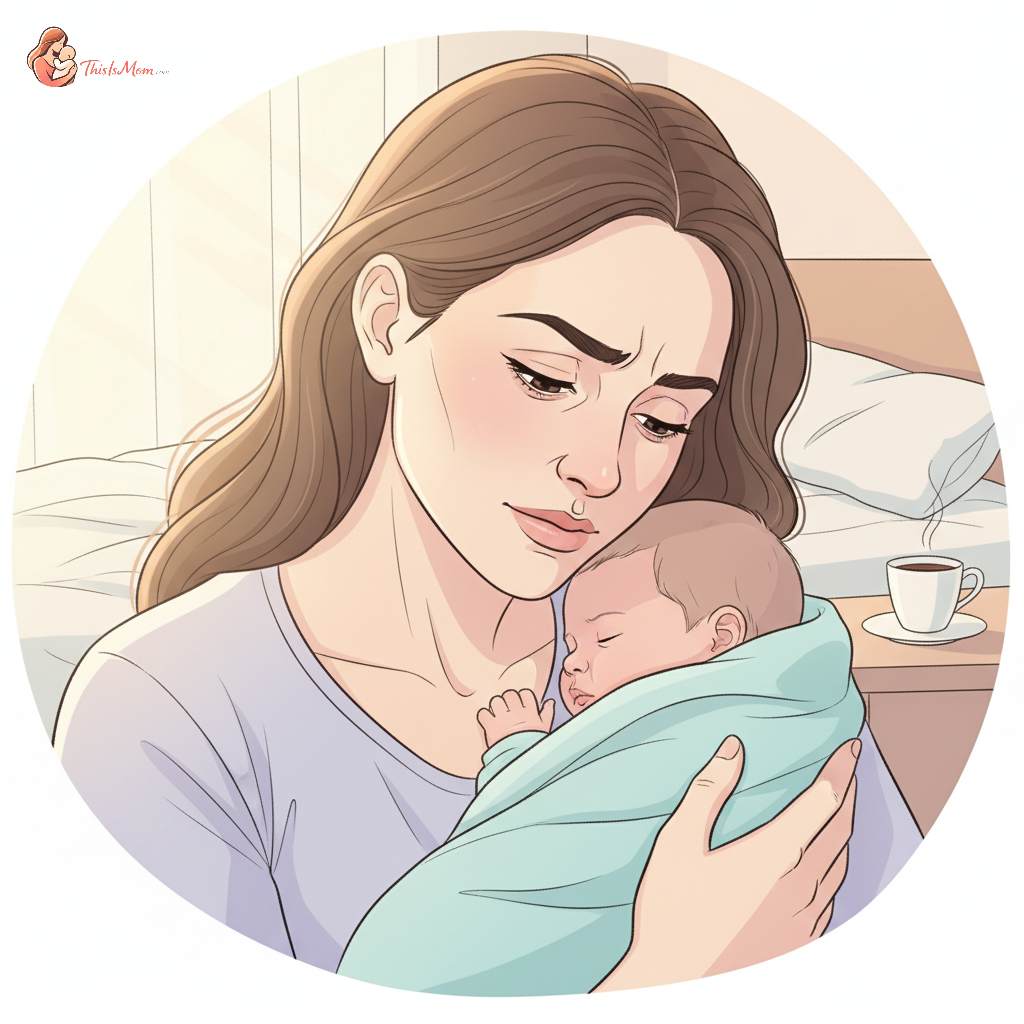
It was 2:17 a.m. when I finally heard it. Not a cry, but a whimper. Noah, my sweet (usually) 9-month-old, was stirring. My heart sank, not because he was upset, but because I knew what was coming: the full-blown wake-up call, the demands, the sheer physical and emotional drain. And in that moment, caught between the lingering smell of baby spit-up and the suffocating silence of the pre-dawn hours, I felt a wave of something hotter than my exhaustion. It was anger. Pure, unadulterated, "why-is-this-my-life-right-now" anger.
Real talk — nobody tells you about the rage. We talk about the blues, the overwhelm, the sheer terror of keeping this tiny human alive. But this simmering, sometimes volcanic, anger? It felt like a betrayal of everything I'd imagined motherhood to be. It also made me question the impact of lack of sleep on my postpartum mood and that intense irritability I was experiencing.
Is This Normal Mom Anger, or Something Else Entirely?
Look, being a new mom is HARD. Like, unexpectedly, unbelievably, "I had no idea what I was doing" hard. You're recovering from childbirth, your hormones are doing a frantic dance, and your entire world has shrunk to the size of your baby’s bassinet. It's natural to feel a wide spectrum of emotions. Tears, anxiety, moments of doubt — they're all part of the package.
But what happens when those feelings morph into a constant low-grade (or high-grade!) fury? When tiny inconveniences feel like monumental injustices? When looking at your partner, or even your darling baby, triggers a surge of irritation that feels disproportionate and scary? That’s when we need to start asking questions.
The Science Behind the Snapping
It turns out, my late-night fury wasn't just a personality flaw or a sign I was failing. It’s a pretty direct result of postpartum sleep deprivation. Our brains are not designed to function on fragmented, stolen hour-long naps. When you're severely sleep-deprived, your prefrontal cortex — the part of your brain responsible for impulse control, decision-making, and emotional regulation — just isn't working optimally. It's like trying to drive a car with only three tires. Things are going to be bumpy, and you're likely to veer off course. This brain fog is a significant contributor to what many moms describe as "mom rage" stemming from lack of sleep.
How Not Sleeping Fuels Your Fire
So, let's break down precisely how this constant lack of sleep messes with your postpartum mood and makes you feel like you’re perpetually on the verge of an explosion. It’s not just about feeling tired; it’s about your entire system being at war with itself.
The Many Faces of Sleep Deprivation's Toll
When you're in the thick of it, sleep is a luxury you might only get in 90-minute increments, if you’re lucky. This chronic sleep debt has profound effects on your emotional landscape:
- Heightened Sensitivity: Everything feels amplified. A spilled cup of milk isn't just a mess; it's an affront to your very existence.
- Reduced Patience: Your normal reserves of patience? They’re gone. Vanished. Poof. Waiting for anything feels like an eternity.
- Difficulty Concentrating: You can't string a thought together. This makes problem-solving (already a challenge with a newborn) feel impossible.
- Increased Anxiety: The constant state of alert, combined with cognitive impairment from lack of sleep, can leave you feeling anxious and on edge, even when there's no apparent threat. This is often linked to the challenges of how to manage baby sleep during daylight savings time spring forward.
- Low Mood: Beyond irritability, you might find yourself feeling more tearful or even experiencing prolonged periods of sadness. This is where the lines can start to blur with postpartum depression. While difficult to address directly within this context, short naps are a common issue, see my baby only naps 30 minutes: how to lengthen naps for more on sleep duration.
Why Am I So Irritable When Sleep Deprived?
Your body and brain are in survival mode. When you don't get enough restorative sleep, your stress hormones, like cortisol, can remain elevated. This keeps your nervous system in a constant state of alert, making you jumpy, easily startled, and quick to react defensively. Think of it this way: your "threat detection system" is on high alert, and your "chill-out button" is broken. Anything that feels even slightly challenging can be perceived as a genuine threat, leading to that overwhelming feeling of wanting to scream or lash out.
The Erosion of Emotional Regulation
Emotional regulation is the ability to manage and respond to emotional experiences. When sleep-deprived, this ability is severely compromised. The same part of your brain that helps you pause before reacting is essentially offline.
This means you’re more likely to:
- React impulsively: Saying things you don't mean or acting on frustration without thinking.
- Have trouble calming down: Once upset, it’s much harder to return to a baseline.
- Experience emotional overwhelm: Small stresses can quickly snowball into feeling completely out of control.
The Never-Ending Loop: Sleep, Mood, and Pure Stress
It’s easy to fall into a vicious cycle where lack of sleep makes you irritable, and being irritable makes it even harder to sleep. Your anxiety ratchets up, your stress levels soar, and you feel trapped. For new parents, especially those dealing with a baby who only naps 30 minutes or struggles with 4-month sleep regression, this cycle can be particularly intense.
Spotting Your Own Triggers
Understanding what sets you off is the first step. Is it the unending laundry pile? The partner who doesn’t unload the dishwasher "correctly"? The baby’s cries that seem to go on forever? When you’re exhausted, even the smallest things can feel like a personal attack or a monumental failure.
Journaling, even jotting down quick notes on your phone, can help you see patterns. You might notice that your fuse gets shorter around a certain time of day, or after a particular type of interaction.
The Vicious Connection to Feeling Overwhelmed
When you're running on fumes, everything feels like too much. The mental load of motherhood becomes unbearable. You're not just mothering; you're also managing feeds, naps, diaper changes, laundry, meals, and trying to remember if you even showered today. This constant pressure cooker environment, combined with sleep deprivation, is a recipe for anxiety. It can feel like you're drowning, and the irritability is your desperate flailing for air.
Real Talk: How to Sneak Sleep and Keep Your Sanity
Okay, enough with the doom and gloom. We need practical strategies. This isn't about getting eight hours of unbroken sleep (let's be realistic, Mom). It's about maximizing those precious moments when rest is possible, and letting go of the pressure to be perfect.
Napping When the Baby Naps: The Golden Rule (and its Challenges)
This is the advice every new parent gets. And it's good advice. But let's be honest, it's often impossible. There’s always something else that needs doing. The dishes are piled high, the laundry needs folding, you haven't eaten a hot meal in days. My advice? Prioritize. If the baby is asleep and you genuinely cannot think of anything more critical than your own rest, lie down. Even 20 minutes can make a difference. Don't try to "catch up" on chores during this time. Your body and brain need it more.
Discover your baby's phase
Teamwork Makes the Dream Work (or at least, the waking hours bearable)
If you have a partner, divide and conquer. This is crucial.
- Take shifts: Can one of you handle the 10 p.m. to 2 a.m. shift, and the other the 2 a.m. to 6 a.m. shift? This at least guarantees a few solid hours for each person.
- Communicate your needs: Don't wait until you're at your breaking point. "Honey, I am so exhausted, I need you to handle the feeding tonight" is a perfectly valid statement.
- Use your support: If grandparents, friends, or family offer to help, say yes. And be specific about what you need. "Can you hold the baby for an hour so I can take a shower and a nap?" is a lifesaver. Especially when you're dealing with a new baby, remembering to pack essentials for yourself can feel overwhelming, so a twin c-section birth essentials checklist can be a great starting point.
Letting Go: The Real MVP of Postpartum Survival
This was the hardest for me. The need to have a perfectly clean house, to make gourmet meals, to be the picture of calm, composed motherhood. It’s all a social media lie. Your priority is you and the baby. If the house is a mess and you ate cereal for dinner, so be it. Let go of the expectations. Embrace the glorious chaos.
Here are a few more things that helped me:
- Lower your standards: Seriously. For everything. Housekeeping, cooking, appearance.
- Accept help gratefully: No more "Oh, I don't want to bother them." Let them bother you.
- Simplify meals: Think crockpot, pre-made meals from the grocery store, or simple one-pan dishes. For advice on feeding, consider how to get toddler to drink water instead of juice.
- Outsource if possible: If you can afford a cleaner to come once a month, do it.
Guarding Your Peace: Ways to Soothe the Irritability
Beyond getting more sleep (which is the ultimate goal, but often elusive), there are ways to manage the irritability when it strikes. It’s about building resilience and finding moments of calm in the storm.
Finding Your Breath
When you feel that familiar wave of anger rising, try to focus on your breath. It sounds cliché, but it works.
- Deep Belly Breaths: Inhale deeply through your nose, feeling your belly rise, and exhale slowly through your mouth.
- Count to Ten (or Twenty, or Fifty): Seriously. Give yourself those seconds to pause before reacting.
- Step Away (if possible): If you can hand the baby to your partner for a minute, or step into another room, do it. Even 60 seconds of quiet can help reset your nervous system.
Self-Care in Micro-Doses
Forget the spa days for now. Self-care in the postpartum phase looks different. It's about finding tiny pockets of time for yourself.
- Take a 10-minute walk around the block.
- Listen to a podcast or music while nursing. If you are struggling with issues like clogged milk duct vs. mastitis, self-care is even more critical.
- Sip a cup of tea while it’s still warm.
- Read for five minutes before you sleep.
These small acts are not selfish; they are essential for your well-being. They are like small deposits into your emotional bank account, helping you weather the withdrawals.
Speaking Your Truth
This might be the hardest but most important. You need to communicate your needs.
- To your partner: Be clear and direct. "I'm feeling really overwhelmed and irritable right now. I need some quiet time/a break/help with X."
- To friends/family: Let them know what’s going on. They can’t help if they don’t know.
- To yourself: Acknowledge your feelings without judgment. "I am feeling incredibly angry right now, and that's okay."
When Your Anger Signals Something More
It’s vital to understand that while irritability is common with sleep deprivation, it can sometimes be a sign of something more serious. The line between normal postpartum mood swings and conditions like postpartum depression (PPD) or postpartum anxiety (PPA) can be blurry.
Red Flags to Watch For
If your irritability is constant, intense, accompanied by feelings of hopelessness, or if you have thoughts of harming yourself or your baby, please reach out for professional help immediately. Other signs to watch for include:
- Persistent sadness or emptiness.
- Difficulty bonding with your baby.
- Excessive worry or panic attacks.
- Intense mood swings.
- Withdrawing from loved ones.
- Thoughts of suicide or harming yourself.
Who You Can Talk To
- Your Partner: They are your first line of support. Be open and honest about how you're feeling.
- Your Doctor/OB-GYN: They are trained to screen for postpartum mood disorders and can offer resources and treatment options.
- A Mental Health Professional: Therapists specializing in perinatal mental health can provide invaluable support and coping strategies.
Finding Your Village
You are not alone in this. There are resources available to help you navigate this challenging time.
- Postpartum Doulas: Can offer practical support with baby care and household tasks, alleviating some of the burden.
- Support Groups: Connecting with other new mothers who are experiencing similar challenges can be incredibly validating and empowering. Look for local or online groups.
- Hotlines: Organizations like Postpartum Support International offer helplines and resources for immediate support.