10-Month-Old Screaming: Handling Early Morning Wakings
Is your 10-month-old screaming at 5 AM? Learn common causes for early morning wakings – from sleep regression to overtiredness – and gentle strategies to help them sleep later.
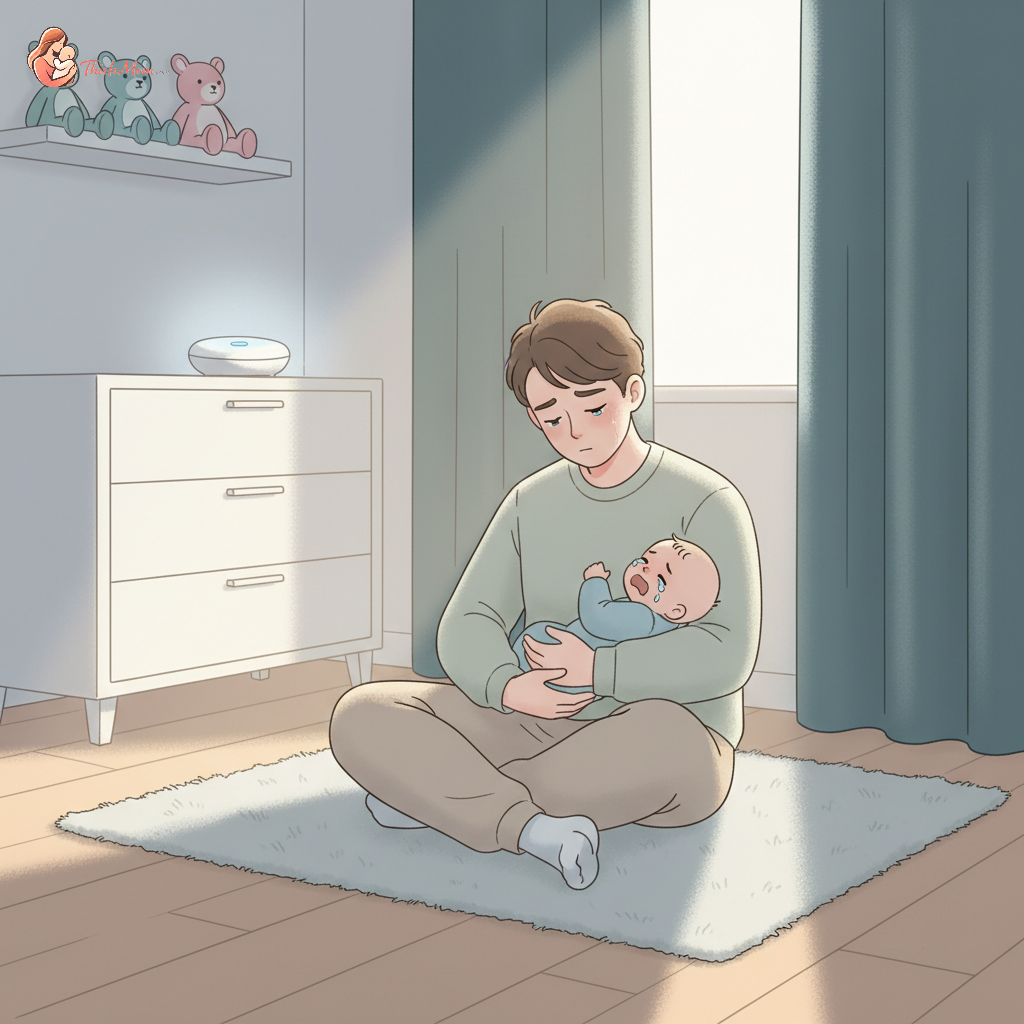
Decoding Early Morning Screams: Handling Early Morning Wakings in Your 10-Month-Old
Your 10-month-old is wide awake, screaming hysterically at 5 AM. If this scenario sounds familiar, and you're grappling with handling early morning wakings from your 10-month-old screaming, you’re not alone. This stage, often marked by a sudden shift in sleep patterns, can leave parents exhausted and confused. It’s a common developmental phase, but understanding the why can help pave the way for more peaceful mornings.
Research suggests that around 10 months, babies undergo significant developmental changes that can disrupt their sleep. It's easy to wonder if your baby wakes up crying hysterically at this age due to simple discomfort or a more complex sleep issue. Let's break down the possible culprits and explore gentle sleep solutions.
Is It Hunger or Discomfort?
One of the first things to consider when your 10-month-old wakes up screaming is basic physical need. While many babies at this age are transitioning away from extensive night feeding, some may still be hungry. The guidelines from organizations like the American Academy of Pediatrics (AAP) suggest that by this age, most babies can go longer stretches without feeding, but individual needs vary.
Discomfort is another common cause. Is the diaper full? Is the room too hot or too cold? Are they tangled in their sleep sack? Minor irritations can feel amplified when a baby is transitioning through sleep cycles in the quiet, early morning hours.
Why the 10-Month Sleep Regression Hits Hard
You might have heard of the "10-month sleep regression." While the term "regression" can sound backward, it essentially refers to a period where a baby who was previously sleeping well starts experiencing disruptions. The AAP notes that sleep patterns are not linear and can change as babies develop new skills.
This age is often a time of significant cognitive and physical leaps. Babies are becoming more mobile, practicing crawling, pulling up, and even standing. These new skills can occupy their minds so much that they emerge during sleep. Additionally, separation anxiety can begin to surface around this time, causing distress when they wake and find themselves alone.
Teething Troubles and Ear Infections
Teething is a notorious sleep disruptor at any age, and 10 months is prime time for molars to make their appearance. The pressure and discomfort of new teeth erupting can easily wake a baby. Similarly, ear infections, which are common in this age group, can cause significant pain, especially when lying down, leading to increased crying during sleep, including those early morning hours.
The 5 AM Wake-Up Call: Common Reasons for Early Morning Wakings
That 5 AM wake-up call can feel particularly jarring. Beyond immediate discomfort, several other factors contribute to early morning wakings in a 10-month-old.
Developmental Leaps and New Skills
The skills your baby is acquiring daily — like crawling, cruising, or even trying to walk — are exciting! However, they can also become the focus of their waking thoughts. Your child might be waking because their brain is actively practicing these new abilities, and the quiet of the morning is the perfect time for them to do so. This is part of normal developmental progression.
Overtiredness: The Silent Sleep Thief
It might seem counterintuitive, but overtiredness is a frequent culprit behind early morning wakings. When a baby doesn't get enough overall sleep, their system can become flooded with stress hormones. This can lead to more fragmented sleep and make it harder for them to resettle once they wake, particularly during the lighter sleep stages of early morning. Ensuring your baby has adequate naps and an appropriate bedtime is crucial. While adjusting naps is key, sometimes the transition to daycare can impact sleep schedules. See tips for baby sleep at daycare vs home.
Sleep Environment Culprits (Light, Noise, Temperature)
The sleep environment plays a significant role. For instance, the early morning is when natural light levels increase. If your baby’s room isn’t dark enough, this light can signal to their brain that it's time to wake up, even if it's only 5 AM.
Similarly, noise can be a disruptor. Household sounds, early traffic, or even a pet stirring can be enough to rouse a light sleeper. Being too cold or too hot can also lead to discomfort and awakenings. The CDC offers guidance on creating a safe sleep environment, which also contributes to better sleep quality. Discover the best white noise machines for daycare naps to help mask these disruptions.
When to Act, When to Wait: Gentle Strategies for Responding to Cries
Observing your baby's cries is key. Are they brief whimpers, or are they sustained, inconsolable screams? Your response can shape future sleep habits.
The Pause and Observe Approach
Discover your baby's phase
When your 10-month-old starts fussing at 5 AM, try a brief pause before rushing in. This gives your baby a chance to try and resettle themselves. Often, they might simply be stirring between sleep cycles and can fall back asleep independently. Research on infant sleep suggests that allowing babies some self-soothing opportunities can be beneficial.
Comforting Without Reinforcing Early Wake-Ups
If the crying continues or escalates, it's time to offer comfort. However, the way you comfort them matters. Avoid turning on bright lights, engaging in a lot of play, or offering a full feeding if it’s not truly necessary from a nutritional standpoint. Aim for quiet, soothing interactions to help them resettle back to sleep, rather than stimulating them into a full wake-up.
Adjusting Your Routine: Naps, Bedtime, and Feeding
Sometimes, early wakings are a signal that something needs tweaking in the daily schedule:
- Naps: Are the naps too short, too long, or too close to bedtime? The AAP’s recommendations for naps can be a helpful reference.
- Bedtime: Is bedtime too late, leading to overtiredness? Or perhaps too early, causing them to wake before they naturally transition? Consider how Daylight Saving Time changes can affect toddler bedtime.
- Feeding: Re-evaluate daytime feeding amounts and timing. Ensure they are getting enough calories during the day to minimize early morning hunger.
Making Changes for More Morning Sleep: Practical Tips to Try
Implementing a few targeted strategies can often make a significant difference in handling early morning wakings. Consistency is your greatest ally here.
Optimizing the Sleep Environment for Quiet Mornings
To improve your baby's sleep:
- Darkness: Ensure the room is as dark as possible. Blackout curtains are highly effective.
- Sound: Consider a white noise machine to mask disruptive household sounds. The consistent hum can also be soothing.
- Temperature: Aim for a comfortable room temperature, typically between 68-72°F (20-22°C), as recommended by the CDC for safe sleep.
Ensuring Adequate Daytime Nutrition and Activity
A well-fed baby during the day is less likely to be truly hungry early in the morning. Pay attention to feeding cues and offering balanced meals and snacks. Ample physical activity during waking hours can also contribute to better sleep at night and less fussiness in the morning.
Consistency is Key: Sticking to a Soothing Routine
Establish a predictable bedtime routine that signals to your baby it’s time to wind down. This could include a bath, a quiet story, and a lullaby. Similarly, if your baby wakes early, consistency in your response helps them learn what to expect. Gently guide them back to sleep without creating a new habit of "morning playtime."
Beyond the Basics: When to Talk to Your Pediatrician
While most early morning wakings are developmental, there are times when an infant’s distress warrants a conversation with their doctor.
Recognizing Signs of Genuine Discomfort or Illness
If your baby’s crying is accompanied by other symptoms like fever, vomiting, diarrhea, unusual lethargy, or signs of pain (e.g., pulling at their ears, arching their back excessively), it's important to seek medical advice. These could indicate an illness that needs attention.
Discussing Persistent Sleep Challenges
If you’ve tried various strategies and are still struggling with early morning waking, inconsolable crying, or other persistent sleep issues, your pediatrician can offer guidance. They may be able to rule out underlying medical conditions or offer tailored sleep advice based on your child's specific situation.
Red Flags: When Crying is More Than Just Early Waking
When sleep challenges persist despite your best efforts, or if you observe any signs that concern you greatly, it’s always best to err on the side of caution. Your pediatrician is your primary resource for assessing your child’s health and development and can provide reassurance or recommend further steps if needed.