5 Best White Noise Machines for Daycare Naps
Transform toddler daycare naps from chaotic to calm. Discover the 5 best white noise machines for classrooms, focusing on portability, safety, and effectiveness.
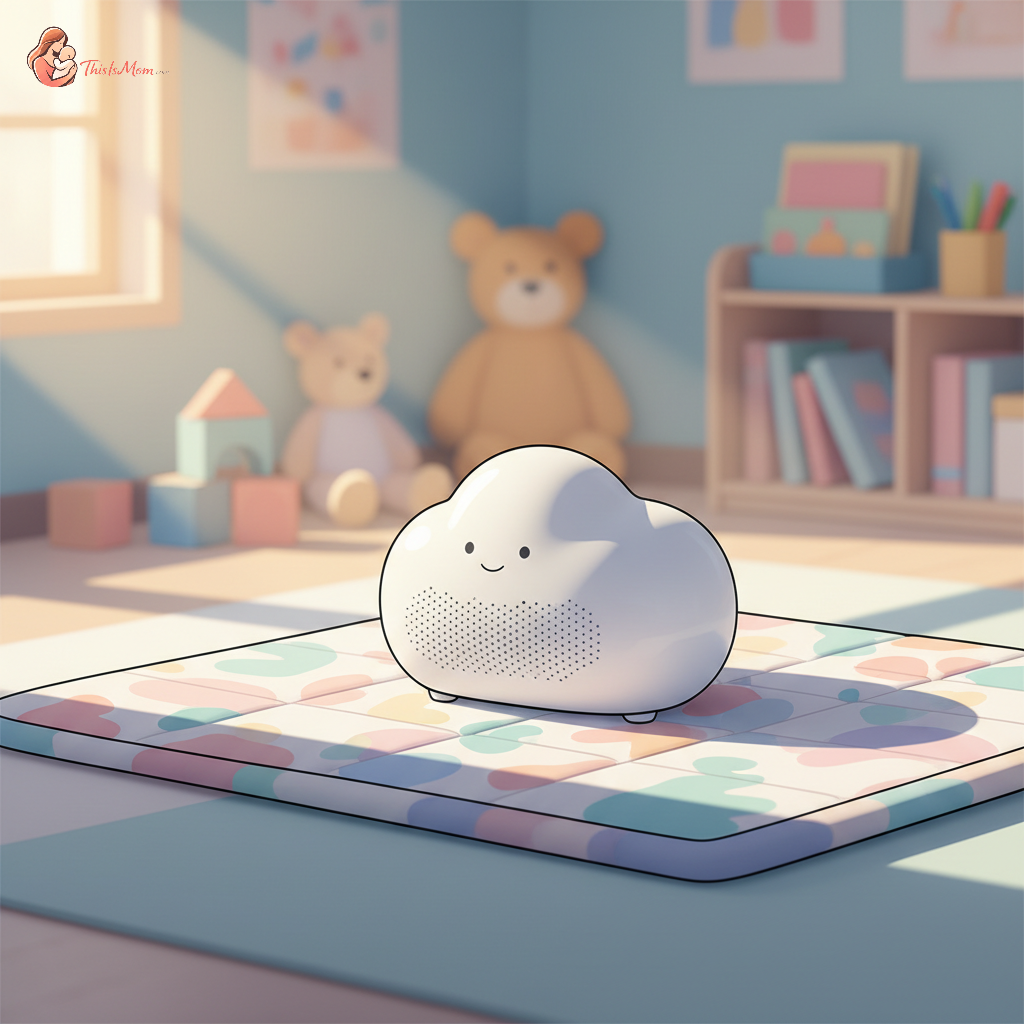
Finding Quiet in the Chaos: Best White Noise Machine for Daycare Classroom Naps
In 5 minutes, you'll know exactly which white noise machine can transform your toddler's daycare naps from a battle to a blissful recharge. As a mom of twins who’s navigated the parent-teacher conference circuit more times than I care to admit, I’ve tested the top contenders. A good sound machine isn’t a luxury; it’s an essential tool when daycare noise is the enemy of sleep.
Why White Noise is a Daycare Nap Game-Changer
Daycare classrooms are lively places. Think toy crashes, toddler chatter, and the general hum of a busy environment. For a child used to quieter home naps, this can be incredibly disruptive. For parents trying to manage a toddler who cries at daycare, creating a peaceful nap environment is crucial.
Should I Use White Noise for Daytime Naps?
Yes, absolutely. White noise acts as a consistent, soothing auditory blanket. It doesn't eliminate noise, but rather masks sudden, jarring sounds that can startle a napping child awake. For daytime naps in a stimulating environment, it’s a powerful tool for creating a sleep-conducive atmosphere.
Does White Noise Help Toddlers Stay Asleep?
Research suggests it can. By maintaining a steady sound level, white noise helps prevent brief awakenings caused by environmental noise. A child who might otherwise stir and fully wake up at the sound of a dropped toy might simply settle back down thanks to the continuous hum. This means longer, more restorative sleep for your toddler.
How White Noise Masks Distractions
Think of white noise like noise-canceling headphones for your child's ears. It fills the auditory landscape with a gentle, even sound. When a loud noise occurs – a door slamming, another child crying, a garbage truck outside – the white noise makes that sudden sound less prominent. It blends into the existing soundscape, rather than cutting through it and potentially waking a light sleeper. This is particularly useful for a portable white noise machine for daycare, where unpredictable noises are common.
What to Look For in a Daycare Nap Sound Machine
Not all sound machines are created equal, especially when you need one that can withstand the rigors of a daycare environment.
Portability & Battery Life: On-the-Go Naps
This is non-negotiable for daycare. You need a unit that’s small enough to fit in a diaper bag and doesn't require a constant power outlet.
- Size & Weight: Look for something palm-sized or slightly larger that won't add significant bulk.
- Battery Life: Aim for at least 8-10 hours of continuous play. Many use rechargeable batteries, which is ideal. Check if it comes with a charger or if you need to use your own USB adapter.
- Durability: Toddlers are unpredictable. A machine that can withstand a minor drop is a major plus.
Volume Control & Sound Options
- Adjustable Volume: Essential for finding the right level without overstimulating. Pediatricians often recommend a moderate volume.
- Pure White Noise: This is the most effective for masking distractions. Avoid machines that only offer nature sounds, as these can have unpredictable dynamic ranges that might be startling. Brown or pink noise can also be good alternatives, offering a deeper, rumblier sound.
- Simplicity: For daycare, a machine that reliably plays simple white noise without fuss is best.
Child Safety Considerations
When a child-safe sound machine is needed, safety features are paramount.
- No Small Parts: Ensure there are no easily detachable pieces that could be a choking hazard.
- Sturdy Construction: A solid, well-built unit is less likely to break if handled (or dropped) by little hands.
- Cord Management: If it has a charging cord, ensure it's not a tripping hazard or easily accessible for chewing. Battery-operated is often safer.
Ease of Use for Caregivers
Your child's teacher isn't a tech expert. The machine needs to be simple to operate.
- One-Button Control: Ideally, it powers on, off, and cycles through sound/volume with minimal effort.
- Intuitive Interface: Avoid complex settings or multiple modes that require memorization.
Our Top Picks: Best White Noise Machines for Daycares
After putting several models through their paces, these stood out for daycare use.
Best Overall Portable Option: Sound+Sleep Mini
This compact unit packs a punch. Its pure white noise is exceptionally effective at masking disruptive sounds. The battery life is stellar, easily lasting through multiple naps on a single charge. It’s incredibly intuitive – power on, select your sound, adjust volume, done. The materials feel high-quality and adequately durable for regular use. For a parent seeking a reliable, no-fuss portable white noise machine for daycare, this is my top recommendation.
Discover your baby's phase
- Pros: Excellent sound quality for masking, long battery life, very portable, simple operation.
- Cons: Higher price point.
Best Budget-Friendly Pick: Big Red Rooster White Noise Machine
Don’t let the simple design fool you. This workhorse delivers pure, consistent white noise at a price that’s hard to beat. It’s small and lightweight, making it easy to tote. The volume control is straightforward, and it offers a decent battery life, though perhaps not quite as long as more premium options. It’s also surprisingly robust for its cost, holding up well to daily use. This is the sound machine for toddler daycare if you’re watching your budget but still demand effectiveness.
- Pros: Affordable, effective white noise, simple to use, compact.
- Cons: Battery life is average, sound options are limited to white noise.
Best for Extra Loud Environments: LectroFan Kinder
The LectroFan Kinder is a powerhouse. It not only offers a range of white, pink, and brown noise options but also provides a significantly higher maximum volume than most portable units. This is crucial for creating a consistent sound mask in a very noisy daycare classroom. It’s also built like a tank, designed with durability in mind. While slightly larger than other portables, its robust sound-masking capabilities make it worth the trade-off for those truly challenging environments. This machine is perfect if your primary concern is combating loud daycare noise.
- Pros: Very powerful volume, excellent sound masking, durable build, multiple noise options.
- Cons: Larger size, higher price.
Best with Night Light: Hatch Rest Mini
The Hatch Rest Mini is popular for nurseries, and its mini version can work for daycare naps, particularly if your child responds well to a visual cue. The built-in soft night light can be a comforting addition, though its necessity for daycare naps is debatable. The device offers a variety of soothing sounds in addition to white noise and white, pink, and brown noise options. It’s controlled via a smartphone app, which is convenient but requires caregiver access and setup. Its portability is decent, and battery life is generally good.
- Pros: Soothing light option, app control, variety of sounds, decent portability.
- Cons: App dependency can be tricky for busy caregivers, higher price.
What Level of White Noise is Best for Babies and Toddlers?
The American Academy of Pediatrics (AAP) suggests that sound machines for infants should be placed at least seven feet from the crib and set at a volume no higher than 50 decibels. For toddlers in a daycare setting, aim for a volume that you can clearly hear at your child’s sleep mat, but that doesn’t overpower conversation. It should be a gentle hum, not a loud roar. You should be able to hold a normal conversation over it.
Setting Up Your Child's Daycare Sleep Environment
Bringing a white noise machine to daycare is only part of the equation.
Communicating with Daycare Staff
Have a clear conversation with your child’s caregivers. Discuss:
- Where the machine will be placed.
- How it will be operated.
- Your preferred volume and sound settings.
- Any concerns you have about its battery life or charging.
Ensure they are comfortable using it and understand its purpose. A child-safe sound machine should be an agreed-upon tool, not a point of contention. For parents, understanding how to find reputable backup childcare for sick days is also essential for seamless care.
Tips for Consistent Sleep Associations
Pair the white noise machine with other familiar sleep cues:
- A specific naptime song.
- A designated lovey or blanket.
- A consistent routine before naptime.
This helps your child associate the sound machine with winding down and preparing for sleep, regardless of the environment. If your child is refusing naps, gentle tips for baby nap refusal can be explored.
When to Consider Other Nap Solutions
If your child continues to struggle with daycare naps despite consistent white noise and a good routine, other factors might be at play.
- Overtiredness: Ensure your child is getting enough total sleep. Managing baby sleep during daylight saving time fall back can sometimes lead to overtiredness if not managed well.
- Teething or Illness: Physical discomfort can disrupt sleep.
- Growth Spurts: Sleep patterns can shift.
- Daycare Schedule: Is the nap time aligned with your child’s natural sleep window?
Your child's daycare classroom is a busy hub, but with the right tools and communication, you can create a haven for naps. If your toddler cries at daycare drop off after 6 months, ensuring a good nap experience can sometimes help ease the transition.