Iron-Boosting Purees: For Breastfed Babies (6+ Months)
Discover how to make homemade iron-rich purees for your breastfed infant. Learn which foods boost iron, the critical role of Vitamin C, and easy recipes.
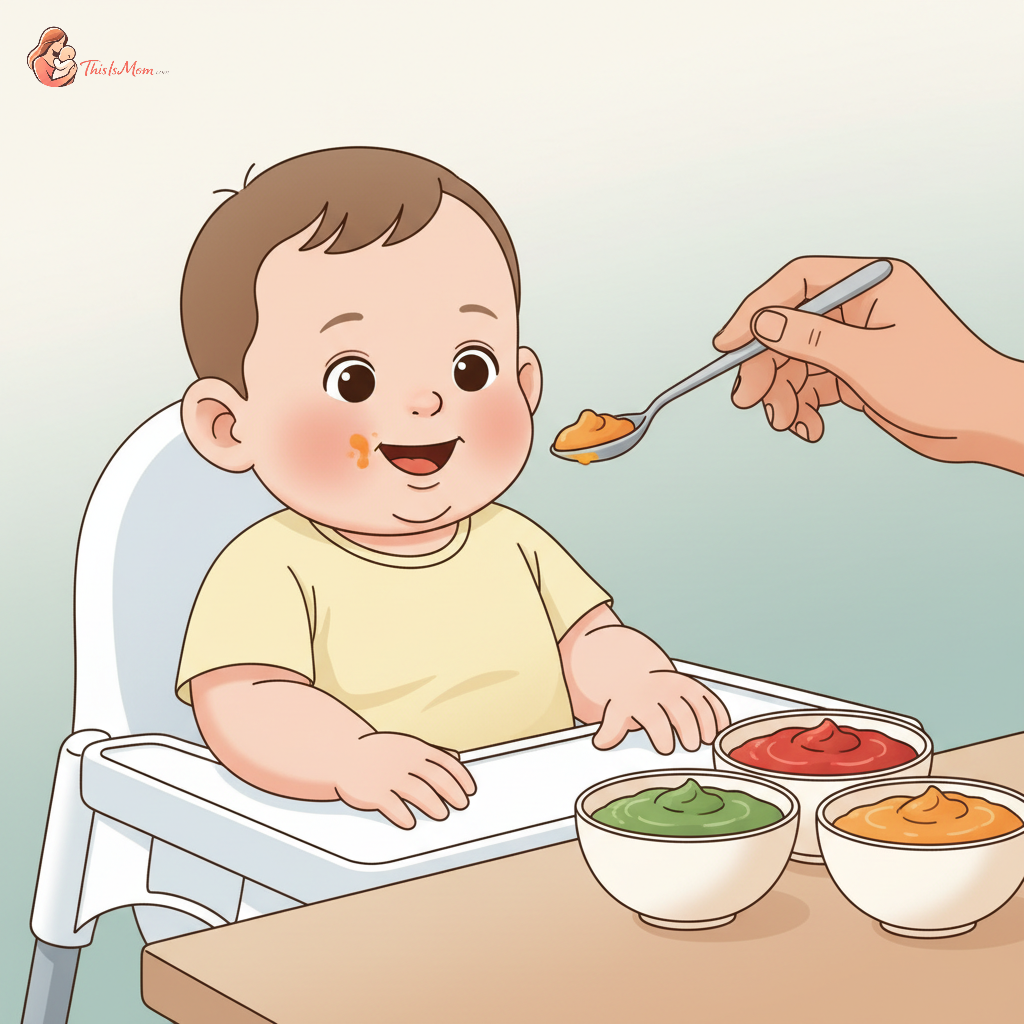
Homemade Baby Food Purees to Boost Iron for Your Breastfed Infant
Your breastfed baby is likely approaching six months of age, a milestone where solid foods are typically introduced. As you consider what to offer, one nutrient stands out: iron. Have you wondered if your breastfed baby is getting enough iron, and what the best first foods are to help meet their needs? It’s a common concern for parents, and thankfully, the evidence is clear on how to support healthy iron levels.
Why Iron Matters for Your Breastfed Baby
Iron is a crucial mineral for your baby's rapid growth and development. It plays a vital role in brain development and helps create hemoglobin, the protein in red blood cells that carries oxygen throughout the body. As a breastfed infant grows, their initial iron stores, acquired in utero, begin to deplete around six months of age. Breast milk contains iron, but the amount can vary, and the absorption rate from breast milk, while excellent, may not be sufficient on its own to meet the growing demands of a vigorously developing baby after six months.
The American Academy of Pediatrics (AAP) generally recommends that exclusively breastfed infants should start receiving iron-fortified complementary foods around six months of age. For babies who are not exclusively breastfed or have specific medical conditions, pediatricians may recommend iron supplementation earlier. You can learn more about how many ounces of breast milk your 6-month-old needs before starting solids and signs of readiness.
While tracking specific iron amounts can be complex, pediatricians often look for signs that might indicate low iron. These can include:
- Pale skin: This can be a subtle sign due to less hemoglobin.
- Lethargy or unusual tiredness: A baby who seems less energetic than usual might be affected.
- Poor appetite: Iron deficiency can sometimes impact appetite.
- Developmental delays: In more significant cases, iron deficiency can affect cognitive and motor skill development.
It's important to remember that these signs are not exclusive to low iron and can be indicative of other issues. Always consult with your pediatrician if you have concerns about your baby’s development or health.
Iron-Rich Foods Perfect for Baby Purees
When thinking about homemade baby food purees to boost iron for a breastfed infant, it’s helpful to look beyond traditional iron-fortified infant cereals. While those are an option, whole foods offer a wealth of nutrients. Several iron-rich foods are excellent for early purees.
The key is to choose ingredients that are not only high in iron but also easy to digest and prepare for a baby.
- Meats: Dark poultry meat like chicken or turkey, as well as lean red meats like beef or lamb, are excellent sources of easily absorbed heme iron.
- Legumes: Lentils, beans (like kidney beans or black beans), and chickpeas are fantastic plant-based iron sources.
- Dark Leafy Greens: Spinach and kale are nutrient powerhouses that offer iron, though their non-heme iron is less readily absorbed than heme iron from meat.
- Fortified Cereals: While we're focusing on whole foods, iron-fortified infant cereals can still be a convenient addition.
When selecting produce and meats for purees, choose fresh, high-quality ingredients. For meats, opt for lean cuts. For vegetables and fruits, look for vibrant colors. Preparation is simple: steam or boil tougher vegetables and meats until very tender, then puree with a little liquid (breast milk, formula, or water) until smooth. The Mayo Clinic provides helpful guidance on safely preparing baby food at home.
Boosting Absorption: The Vitamin C Connection
A critical factor in ensuring your baby gets enough iron from their diet involves understanding how their body absorbs it. Not all iron is created equal, and its absorption can be significantly influenced by other foods eaten at the same meal. This is where the Vitamin C connection becomes incredibly important for boosting iron uptake.
The research suggests that non-heme iron, found in plant-based foods and in smaller amounts in meats, is absorbed less efficiently than heme iron from animal sources. However, Vitamin C, also known as ascorbic acid, is a potent enhancer of non-heme iron absorption. When foods rich in Vitamin C are paired with iron-rich foods, the body can absorb significantly more iron.
This makes creating balanced purees a smart strategy. The goal is to combine an iron source with a Vitamin C source in the same meal for maximum iron benefit. This is especially important when introducing ways to get toddler to eat protein and if your child is refusing to eat certain nutrient-rich foods.
Here are some easy pairings for maximum iron uptake:
- Lentils or beans with a side of pureed sweet potato or bell pepper: Sweet potatoes and bell peppers are good sources of Vitamin C.
- Pureed spinach with a squeeze of lemon juice or mixed with pureed berries: Berries like strawberries and raspberries are packed with Vitamin C.
- Pureed chicken or beef mixed with pureed broccoli or pears: Broccoli and pears offer a good dose of Vitamin C.
By thoughtfully combining these food groups, you can help your breastfed baby make the most of the iron available in their homemade baby food.
Simple & Delicious Iron-Boosting Puree Recipes
Introducing single-ingredient purees first is often recommended by pediatricians to monitor for potential allergies. Once your baby has tried several single foods, you can begin combining them. These recipes are designed to be flavorful, nutritious, and packed with iron. Remember to adjust the consistency by adding more liquid as needed to achieve a smooth, easy-to-swallow texture.
Discover your baby's phase
Lentil & Spinach Power Puree
This plant-based option is a fantastic introduction to iron-rich foods. Lentils are a great source of non-heme iron, and spinach adds more iron plus vital vitamins.
- Ingredients:
- 1/2 cup red or brown lentils, rinsed
- 1 cup water or low-sodium vegetable broth
- 1 cup fresh spinach, washed
- 1/4 cup orange, pureed (e.g., a few slices of orange, peeled and deseeded, then pureed) or a couple of tablespoons of pureed bell pepper
- Instructions:
- Cook the lentils in water or broth until very tender, about 20-25 minutes. Drain any excess liquid.
- Steam the spinach until wilted.
- Combine the cooked lentils, steamed spinach, and pureed orange or bell pepper in a blender or food processor.
- Process until smooth, adding a little water, breast milk, or formula if needed to reach desired consistency.
Beef & Sweet Potato Builder Blend
Beef provides easily absorbed heme iron, while sweet potatoes offer both Vitamin A and Vitamin C to aid absorption and enhance flavor.
- Ingredients:
- 2 ounces cooked lean beef (from a roast or steak, thoroughly cooked and cooled)
- 1/2 cup cooked sweet potato, mashed
- 1/4 cup pureed red bell pepper (steamed or roasted until soft)
- Breast milk, formula, or water as needed.
- Instructions:
- Cut the cooked beef into small pieces.
- Combine the beef, mashed sweet potato, and pureed red bell pepper in a blender or food processor.
- Process until very smooth, adding liquid as necessary to achieve a baby-friendly texture.
Chicken & Peach Absorption Boost
Chicken is a good source of iron, and peaches are a classic fruit puree that works wonderfully to add sweetness and a boost of Vitamin C.
- Ingredients:
- 2 ounces cooked chicken breast or thigh meat (plain, no seasoning, thoroughly cooked and cooled)
- 1/2 cup ripe peach, peeled and pitted
- 1 tablespoon pureed strawberries (optional, for extra Vitamin C and flavor)
- Breast milk, formula, or water as needed.
- Instructions:
- Break the cooked chicken into small pieces.
- Combine the chicken, diced peach, and pureed strawberries (if using) in a blender or food processor.
- Process until smooth, adding liquid to reach the desired consistency.
Iron-Rich Plant-Based Options
For vegetarian or vegan families, focusing on plant-based iron sources is key. Combining legumes with Vitamin C-rich fruits and vegetables is essential.
- Chickpea & Apricot Delight: Pureed chickpeas offer iron, while apricots provide Vitamin C.
- Black Bean & Mango Mash: Black beans are iron-rich, and mango is a good source of Vitamin C.
- Tofu & Pear Puree: Silken tofu can be a smooth way to introduce iron. Pair with pureed pears for Vitamin C.
When preparing these plant-based options, ensure legumes are thoroughly cooked until very soft to aid digestion.
Tips for Introducing Iron-Rich Purees Safely
Introducing new foods, especially iron-rich preparations, requires a thoughtful approach. The general timeframe recommended by the AAP for starting solids is around six months of age, when your baby shows signs of readiness – such as being able to sit up with support, having good head and neck control, and showing interest in food.
When introducing any new food, including these iron-rich purees, start with single ingredients for a few days. This helps you identify any potential food sensitivities or allergies. Once a baby has tolerated several single foods, you can begin offering combinations like the recipes above. If you encounter challenges in getting your toddler to eat well, consider these common toddler food refusal strategies.
Always ensure homemade purees are prepared under hygienic conditions. Wash your hands thoroughly, use clean equipment, and cook foods sufficiently. Cool purees to a safe temperature before serving. Store any leftovers in airtight containers in the refrigerator for no more than 2-3 days, or freeze them in small portions for longer storage.
It's also essential to pay attention to your baby's cues. Offer food when they are happy and alert, not overly tired or hungry. Let them guide the pace of feeding, and avoid forcing them to eat. This aligns with French parenting lessons that encourage adventurous eating.
When in doubt about your baby’s iron intake, their nutritional needs, or if you notice any concerning symptoms, the most important step is to check with your pediatrician. They can assess your baby's individual situation, provide personalized advice, and discuss whether iron supplementation might be necessary. For parents struggling with breastfeeding, finding a lactation consultant covered by insurance can provide invaluable support.