Hospital Bag Checklist: C-Section vs. Vaginal Delivery Needs
Prepare for your hospital birth with our essential packing list! Discover tailored items for both C-section and vaginal deliveries to ensure comfort and recovery.
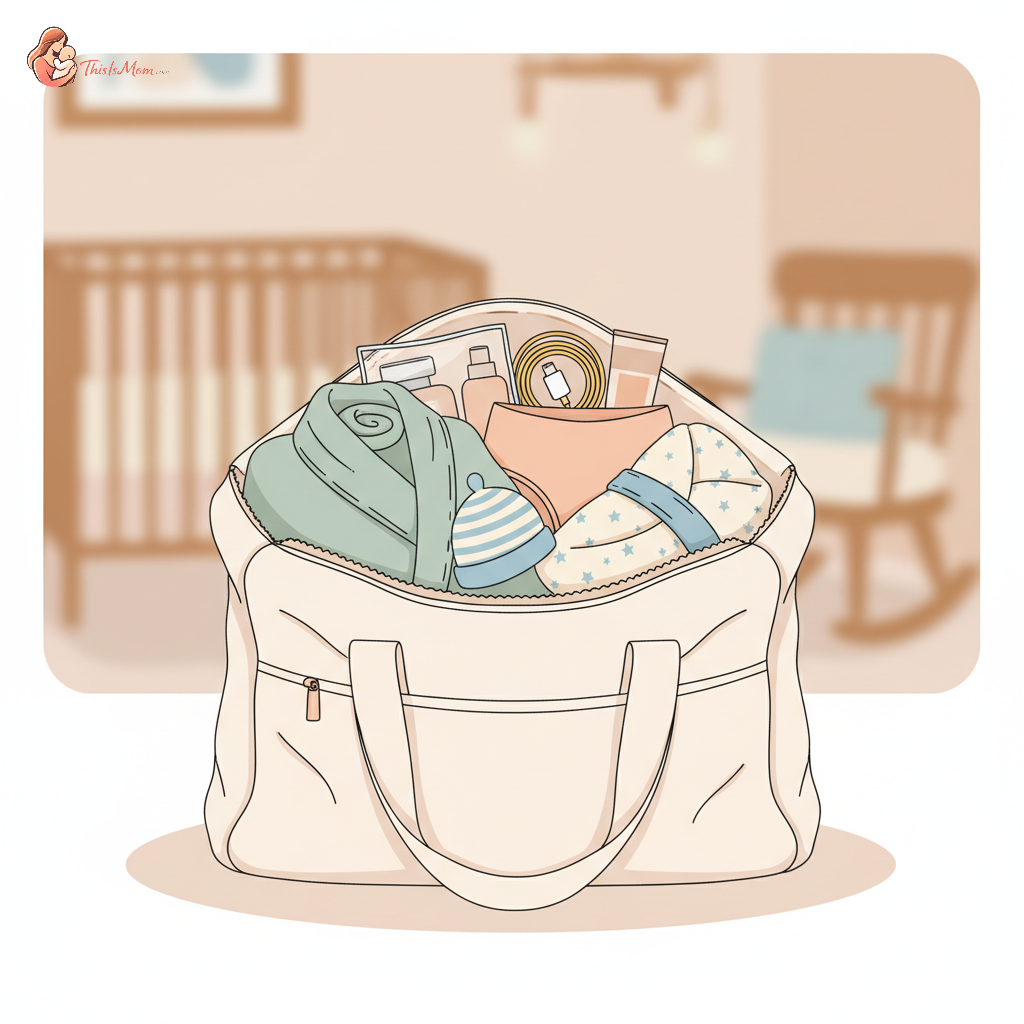
Your Hospital Bag: A Tailored Approach for C-Section vs. Vaginal Birth
It's completely normal to wonder what to pack for your hospital birth. Your needs will differ whether you’re planning for a vaginal delivery or a potential/scheduled C-section. A thoughtfully packed hospital bag can make a world of difference. Building your packing list for hospital birth c-section vs vaginal delivery doesn’t have to be overwhelming; it’s about feeling as comfortable and prepared as possible for your unique journey.
Beyond the Basics: C-Section vs. Vaginal Delivery Needs
While many hospital bag essentials overlap, some items can significantly enhance comfort and recovery, especially for a C-section. Understanding these differences allows you to pack with intention, ensuring you have what you need whether your birth plan unfolds as expected or takes a different turn. Considering your C-section hospital bag checklist alongside your vaginal delivery hospital bag essentials ensures all needs are met.
When to Pack Your Bags (Hint: Sooner Than You Think!)
Many first-time parents feel pressure to wait until the last minute. However, having your bags packed and visible around 36 weeks is a wise move. This is often when your healthcare provider will discuss your birth plan in more detail, and it offers peace of mind. It means you're ready for whatever comes next, from early labor signs to an unexpected hospital admission.
The Ultimate Hospital Bag Checklist for Vaginal Birth
This list focuses on comfort, postpartum care, and a few personal touches for a smoother vaginal birth experience.
For Mom: Comfort, Postpartum Care, and Little Luxuries
- Comfortable Clothing: Pack a few pairs of loose pajamas or lounge sets. Look for ones with easy access for breastfeeding. A robe can also be a cozy addition.
- Slippers or Cozy Socks: Hospitals can be chilly, and you'll want something to keep your feet warm and provide grip.
- Nursing Bras and Underwear: Several pairs of comfortable, non-restrictive nursing bras and high-waisted, breathable underwear are key.
- Perineal Care Items: While the hospital provides some, you might prefer your own brands of witch hazel pads, peri bottles, and soothing sprays.
- Pads: The hospital will provide them, but many moms prefer to bring their own preferred brand of heavy-duty maternity pads.
- Toiletries: Your usual toothbrush, toothpaste, face wash, moisturizer, lip balm (lips can get dry!), hair ties, and dry shampoo.
- Phone Charger and Portable Charger: Essential for staying connected and documenting those first moments.
For Baby: First Outfits, Swaddles, and Essentials
- Going-Home Outfit: One adorable outfit for baby's first photos and trip home. Consider the weather.
- Onesies/Sleepers: A few sets for baby to wear during your stay.
- Socks or Booties: To keep tiny feet warm.
- Hat: A soft hat for warmth.
- Swaddle Blankets: The hospital will provide blankets, but your own favorite swaddles can add a touch of comfort.
- Basic Diaper Care: Include a few diaper cream samples and a small pack of wipes, though the hospital will have these too.
For Partner/Support Person: Don't Forget Them!
- Comfortable Clothes: A change of clothes and comfortable shoes.
- Toiletries: Essentials like a toothbrush and any personal items.
- Snacks and Drinks: Hospital cafeterias can have limited hours.
- Entertainment: A book, tablet, or headphones.
- Pillow and Blanket: Hospital bedding is typically not the most comfortable.
C-Section Hospital Bag Essentials: What's Different (and Crucial!)
A C-section is major surgery, and your needs will adapt to ensure you can recover as smoothly as possible. This section focuses on items particularly helpful for postpartum C-section recovery items.
Mom's C-Section Recovery Kit: Pain Relief, Incision Care, and Comfort
- High-Waisted Underwear: This is a big one! Traditional underwear often sits right on the incision line. Pack several pairs of super high-waisted, soft cotton underwear that will go above your scar. Stretchy maternity leggings or pajama bottoms are also great.
- Abdominal Binder or Belly Band: Many moms find a supportive belly band incredibly helpful for providing gentle compression and stability, which can ease discomfort when moving. Your nurse can advise on proper use.
- Incision Protection: While the hospital provides dressings, you might want to bring a few large, absorbent postpartum pads to place over your incision under clothing. They can catch any discharge and provide a bit of cushion. Some moms also find scar massage oil helpful after they are home and cleared by their doctor, but check with your provider first.
- Loose, Button-Down Tops: For ease of access for breastfeeding and general comfort, tops that don’t rub against your incision are a blessing.
- Stool Softeners: Due to pain medication and surgery trauma, constipation can be an issue. Your hospital will likely provide this, but it’s good to be aware.
Clothing Considerations: High-Waisted, Loose, and Easy Access
When packing for a C-section, think comfort and minimal pressure on your abdomen. This is paramount for your hospital bag for mom and baby C-section.
- Pajamas/Loungewear: Prioritize soft, loose-fitting pajamas or sweatpants with elastic waistbands that sit above your incision. Button-down tops are excellent.
- Cardigans or Robes: Easy to throw on and manage.
- Flowy Dresses: A comfortable maxi dress can be a great option for going home.
- Socks: Keep those feet warm!
Discover your baby's phase
Hospital Stay Length: Packing for a Longer Visit
The average hospital stay for a C-section is typically 2-4 days, often longer than for a vaginal birth. This means packing a little extra:
- More outfits for you and baby.
- More personal toiletries.
- Entertainment options: books, magazines, downloaded shows.
The "5-5-5 rule" is often discussed in relation to C-section recovery, but it's more of a general guideline for healing stages at home rather than a strict hospital protocol. It broadly refers to:
- Day 5: Significant pain management, deep fatigue, and emotional adjustment.
- Week 5: Most internal healing is complete, and surgical incisions begin to fade.
- Month 5: Return to most normal activities, although some gentle exercise progression continues.
Always follow your specific medical team's timeline for your recovery.
Universal Hospital Bag Must-Haves (Applies to All Births)
These items are helpful no matter how your baby arrives.
Important Documents and Tech
- IDs and Insurance Cards: Essential for admission.
- Birth Plan: Bring copies for your care team.
- Phone and Charger: As mentioned, this is crucial.
Snacks and Hydration Helpers
- Easy-to-Eat Snacks: Granola bars, trail mix, crackers, fruit.
- Reusable Water Bottle: Staying hydrated is key, especially if you are breastfeeding. Coping with Breastfeeding Guilt: 5 Ways to Formula Feed Peacefully can offer perspective on feeding choices.
Entertainment and Distractions
- Book or Magazines: For quiet moments.
- Tablet or Laptop: For movies or games.
- Journal and Pen: To record thoughts and experiences.
- Music or Podcasts: To create a calming atmosphere.
Post-C-Section Recovery at Home: The First Few Days
The transition home after a C-section requires a bit of extra preparation. Thinking ahead makes a significant difference.
Setting Up Your Sanctuary Before You Deliver
- Lower Your Bed: If your bed is very high, consider using bed risers or a step stool to make getting in and out easier.
- Stock Your Fridge and Pantry: Have easy-to-prepare meals and snacks readily available.
- Designate Recovery Zones: Ensure you have everything you need (water, snacks, phone, charging cord, pillows) within easy reach in your bedroom and living area.
- Pillows, Pillows, Pillows: You'll want plenty for support and comfort, especially to brace your incision when coughing or laughing. For managing overall family finances, consider an Annual Family Financial Audit Checklist for Parents.
Essential At-Home Comforts and Support
- Loose, Comfy Clothing: Continue with the high-waisted, soft items.
- Abdominal Support: Your belly band or binder can continue to be helpful. For managing pain during recovery, you might look into Best Baby Carrier for Plus-Size with Back Pain Support.
- Scar Care: As advised by your doctor, have any recommended ointments or products ready.
- Someone to Help: Arrange for support from a partner, family member, or friend for the first week or two.
The "hardest day of C-section recovery" is subjective and varies greatly. For many, it’s the second or third day postpartum, when the initial numbness from anesthesia has worn off, and you're trying to navigate mobility, pain, and the emotional weight of recovery. Be kind to yourself during this time.