AAP: How Much Added Sugar is Okay for a 2-Year-Old Daily?
Discover the American Academy of Pediatrics' (AAP) guidelines on added sugar for 2-year-olds. Learn daily limits, hidden sources, and practical tips for lowering sugar intake to foster healthy habits.
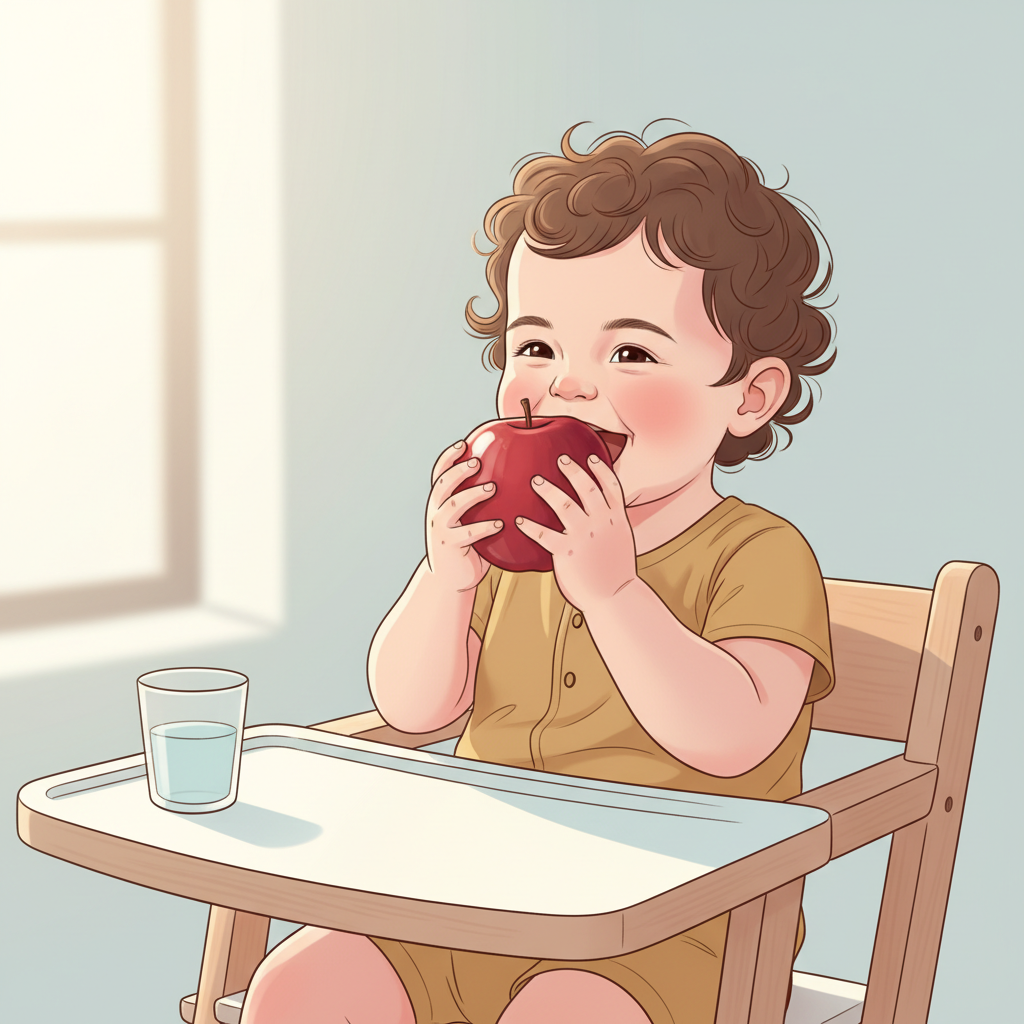
How Much Added Sugar for a 2-Year-Old? Decoding AAP Guidelines
Your toddler's favorite snack is a fruit pouch, and they love to sip on juice. But just how much added sugar is okay for a 2-year-old per day, according to the American Academy of Pediatrics (AAP)? It's a question many parents grapple with, navigating a world filled with sweet temptations. The research is clear: limiting added sugar intake is crucial for our little ones' development and long-term health.
Understanding Added Sugar: Why It Matters for Your Toddler
Let's break down what exactly constitutes "added sugar" and why it's a topic of concern for toddlers.
What Counts as 'Added Sugar'?
According to the AAP, "added sugars" are sugars and syrups that are added to foods or beverages during processing or preparation. This includes sugars like sucrose and high-fructose corn syrup, as well as those found naturally in syrups, honey, fruit juices, and fruit juice concentrates.
It's important to distinguish these from the naturally occurring sugars found in whole fruits and plain milk. These whole foods also come with valuable nutrients like fiber, vitamins, and minerals that are essential for your child's growth.
Why Limiting Sugar is Crucial for 2-Year-Olds
The preschool years, and specifically around age two, are a time of rapid development. The US Department of Agriculture (USDA) and the AAP emphasize the importance of a balanced diet during this period. Excessive added sugar intake can displace nutrient-rich foods, leading to potential deficiencies.
Furthermore, early exposure to high amounts of sugar can contribute to:
- Unhealthy food preferences: Children may develop a preference for overly sweet foods, making it harder to enjoy healthier options later. This is similar to how some children can become fixated on limited food choices, such as when a toddler only eats carbs and dairy.
- Weight concerns: High-calorie, low-nutrient foods can contribute to weight gain.
- Dental health: Sugar is a primary contributor to cavities.
- Impact on energy levels: Sugary foods can cause energy spikes followed by crashes, affecting mood and behavior.
The AAP's Sweet Spot: Daily Added Sugar Limits for Toddlers
So, what does the AAP recommend in terms of daily sugar intake for our littlest ones?
So, How Much Added Sugar is Okay for a 2-Year-Old Per Day?
The AAP's guidelines for children over the age of 2 are quite specific. For children aged 2 to 18 years, the AAP recommends limiting added sugar intake to less than 6 teaspoons (about 25 grams) per day.
This is a significant reduction from many of the foods and drinks commonly offered to toddlers. The goal is to prioritize nutrient-dense foods and establish healthy eating habits early on.
Translating Grams into Teaspoons: What Does it Look Like?
Understanding grams can be abstract, especially when you're trying to make quick dietary choices. Let's translate that 25-gram limit into more familiar terms:
- 1 teaspoon of sugar is approximately 4 grams.
- Therefore, 25 grams is roughly equivalent to about 6 teaspoons.
To put this into perspective, some common toddler-friendly items can quickly add up:
- A 4-ounce serving of 100% fruit juice can have around 10-15 grams of sugar.
- A single yogurt cup marketed for children might contain 12-18 grams of sugar.
- Many popular breakfast cereals can pack over 10 grams of sugar per serving.
This shows how easily a toddler can exceed the recommended daily limit with just one or two items.
Spotting Hidden Sweeteners: Where Sugar Hides in Toddler Foods
Added sugar isn't always obvious; it often lurks in unexpected places, disguised as a healthy option.
Discover your baby's phase
Beyond Juice and Candy: Common Culprits
While candy and obvious sugary drinks are straightforward, many other foods contribute significantly to a toddler's added sugar intake. The research suggests being mindful of:
- Fruit-flavored snacks and gummies: These are often mostly sugar with very little actual fruit content.
- Flavored yogurts and dairy drinks: Many are loaded with added sweeteners.
- Breakfast cereals and granola bars: Look carefully at the nutrition labels.
- Baby foods and toddler meals: Some purees and prepared meals can contain surprising amounts of added sugar for palatability.
- Sauces and condiments: Ketchup, barbecue sauce, and even salad dressings can be high in sugar.
Decoding Food Labels: Ingredients to Watch For
Becoming a savvy label reader is one of the best tools parents have. The AAP advises paying close attention to the ingredient list.
Look out for these terms, which all signify added sugar:
- Sucrose
- High-fructose corn syrup (HFCS)
- Fructose
- Glucose
- Maltose
- Dextrose
- Corn syrup
- Cane sugar
- Brown sugar
- Molasses
- Honey (recommended to avoid for children under 1 due to botulism risk, but still an added sugar for older toddlers)
- Maple syrup
- Agave nectar
- Fruit juice concentrates
The higher up these ingredients appear on the list, the more of that ingredient the product contains. The "Sugars" line on the Nutrition Facts panel includes both naturally occurring and added sugars, so checking the ingredient list is key to identifying added sugars.
Practical Swaps & Strategies for Low-Sugar Living
Reducing added sugar doesn't mean eliminating all sweetness from your toddler's diet. It's about making smarter choices and prioritizing whole, unprocessed foods.
Healthy Snack Ideas for Your 2-Year-Old
When choosing snacks, think simple and nutrient-rich. The guidelines for healthy toddler snacks often focus on whole foods. Here are some ideas that don't require refrigeration: healthy toddler daycare snacks.
Here are a few ideas:
- Whole fresh fruit: Apples, bananas, berries, pear slices.
- Plain yogurt: Serve with fresh fruit for natural sweetness.
- Vegetable sticks with hummus: Carrots, cucumbers, bell peppers (ensure they are cut safely for your child's age).
- Whole-grain crackers or rice cakes: Serve plain or with a thin layer of nut butter.
- Hard-boiled eggs: A great source of protein.
- Small portions of cheese: String cheese or cheese cubes.
Making Water the Primary Drink Choice
Hydration is paramount, and water is the ideal choice for toddlers. The AAP strongly recommends limiting or avoiding sugary drinks.
- Water: Offer water freely throughout the day.
- Plain milk: For children over 1 year old, whole milk is recommended by the AAP for its fat content, which is important for brain development. Offer this with meals.
- Limit 100% fruit juice: If you offer juice, adhere to a strict limit of no more than 4 ounces per day for children aged 1-3 years, and ensure it's 100% juice with no added sugars. However, whole fruit is a better choice as it provides fiber. Consider alternatives when traveling, like these best travel snacks for picky toddlers.
Involving Toddlers in Meal Prep and Healthy Eating
Children are often more adventurous eaters when they have a hand in preparing their food.
- Let them explore: Allow your toddler to wash fruits and vegetables, stir ingredients (with supervision), or help arrange food on a plate.
- Talk about food: Explain where food comes from and what it does for their bodies in simple terms (e.g., "carrots help your eyes see," "milk makes your bones strong").
- Offer choices: Present two healthy options and let them choose, giving them a sense of control.
- Be a role model: Eat a variety of healthy foods yourself and show enthusiasm for them.
When to Talk to Your Pediatrician About Sugar Intake
While these general guidelines offer a framework, every child is unique.
If you have persistent concerns about your toddler's eating habits, their sugar intake, or if they have specific health needs or sensitivities, it's always best to discuss them with your pediatrician. They can provide personalized advice based on your child's individual health and developmental stage. The research overwhelmingly supports prioritizing nutrient-dense foods and minimizing added sugars for optimal toddler growth and well-being.
Navigating nutrition can feel overwhelming, but by understanding the AAP's recommendations and making small, consistent changes, we can help our toddlers build a foundation for a lifetime of healthy eating.