Help 3-Year-Old Gross Motor Clumsiness: Activities & When to Act
Is your 3-year-old clumsy? Learn about typical gross motor development, fun activities to boost coordination and balance, and when to talk to your pediatrician about persistent clumsiness or potential dyspraxia.
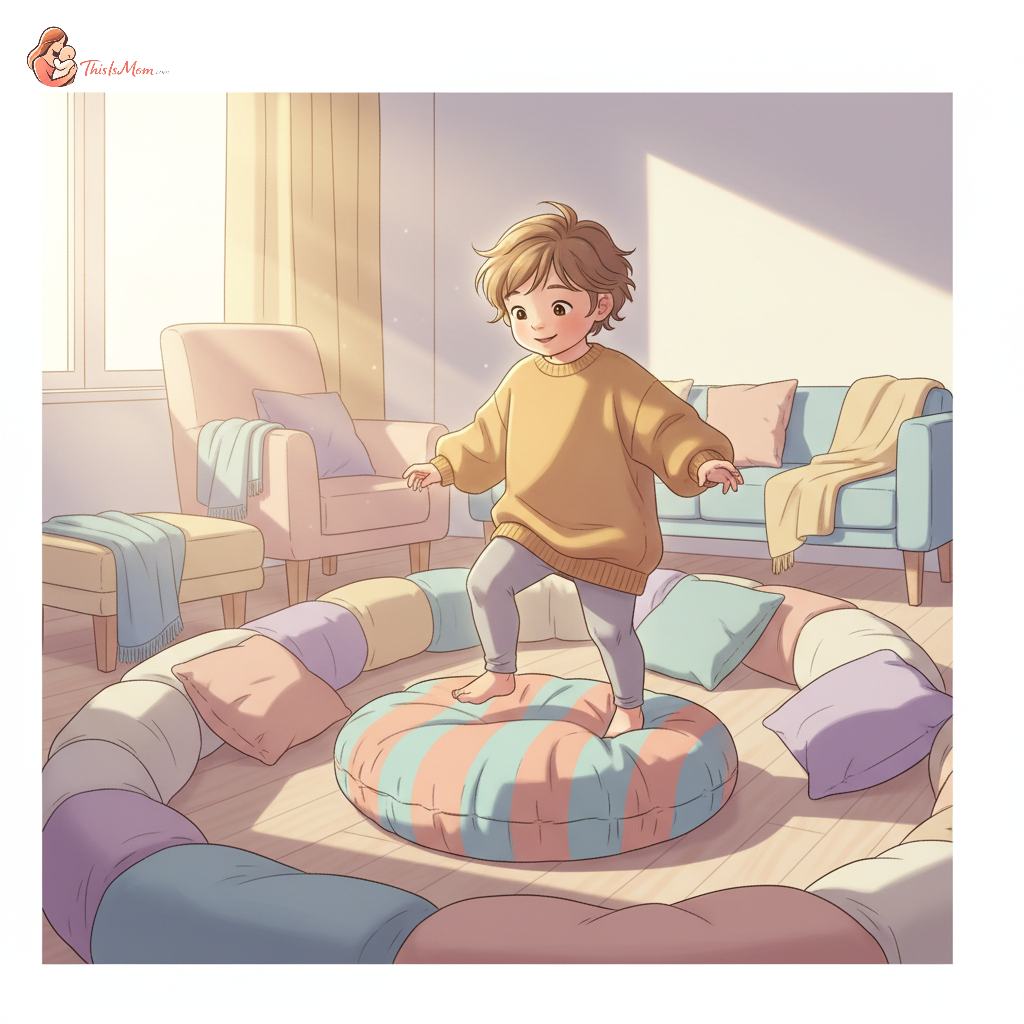
Is Your 3-Year-Old a Wobbly Wonder? How to Help with Gross Motor Skill Clumsiness
Is your 3-year-old frequently bumping into things, tripping over their own feet, or struggling with basic movements like catching a ball or climbing stairs? While some clumsiness is normal for toddlers, understanding when it's a developmental variation versus a potential concern is key. This guide explores typical gross motor skill development, offers fun activities to build coordination, and advises on when to consult your pediatrician.
What Does Typical Look Like for a 3-Year-Old?
At three years old, children are rapidly developing their gross motor skills, which involve large muscle groups for whole-body movements like walking, running, jumping, and climbing. The American Academy of Pediatrics (AAP) outlines common milestones children often reach around this age.
According to the AAP, by age three, most children can:
- Walk and run with better coordination.
- Jump with both feet off the ground.
- Pedal a tricycle.
- Climb up and down stairs, sometimes one foot at a time.
- Throw a ball overhand, though not always accurately.
- Kick a ball.
Understanding these benchmarks helps parents gauge their child's progress.
'Clumsy' vs. Developmental Variations: Where’s the Line?
Development isn't a rigid checklist; there's a wide range of what's considered normal. Some children develop skills faster or slower than others. "Clumsy" often describes a child who appears to lack coordination or balance, leading to frequent stumbles, falls, or difficulty with everyday physical tasks.
However, if a child consistently struggles with fundamental movements that peers are mastering, or if their clumsiness significantly impacts their ability to participate in age-appropriate activities, it might warrant a closer look. Observe the pattern and consistency of their difficulties rather than isolated incidents.
Fun Indoor Games to Boost Coordination & Balance
You don’t need special equipment to help your child build gross motor skills. Many everyday activities can be turned into skill-building games right at home. These activities focus on improving balance, coordination, and body awareness in a playful way.
Obstacle Courses: Couch Cushions and Pillows
Transform your living space into a fun challenge course. Use couch cushions for hills to climb over, pillows to step across, and a tunnel made from blankets draped over chairs to crawl through. This encourages large body movements like crawling, stepping, and balancing, practicing navigation through obstacles.
Dance Parties and Musical Statues
Put on upbeat music and have a dance party! Encourage your child to move their whole body—jump, spin, clap, and stomp. Musical Statues is a great addition; when the music stops, they must freeze. This game helps with balance and body control, requiring them to hold a pose.
Target Practice with Soft Balls
Set up a target using a laundry basket or a large box. Use soft, lightweight balls or beanbags for throwing practice. This helps with hand-eye coordination, aiming, and the throwing motion. Start close to the target and gradually increase the distance as skills improve.
Outdoor Adventures for Developing Motor Skills
The outdoors offers a wealth of opportunities to practice and hone gross motor skills. Parks, yards, and even sidewalks provide dynamic environments for physical activity.
Playground Power-Ups: Swinging, Climbing, Sliding
Playgrounds are ideal for gross motor development.
- Swinging: Pushing off and coordinating leg movements helps with rhythmic motion and balance.
- Climbing: Climbing structures challenge strength, coordination, and problem-solving skills as they navigate different paths.
- Sliding: This involves climbing up and then controlling their descent, improving balance and body awareness.
Discover your baby's phase
Ball Games: Kicking, Throwing, Catching
Outdoor play is perfect for ball-related activities. Kicking a soccer ball back and forth helps with leg coordination and force. Rolling or tossing large, soft balls works on throwing and catching skills. While catching is a more advanced skill, even attempts help build hand-eye coordination.
Nature Walks and Balance Beam Challenges
Explore local parks or nature trails. Walking on uneven terrain, stepping over roots, and navigating small inclines all contribute to developing balance and proprioception (your child's sense of their body in space). You can also create natural balance beams using stable logs or by drawing a straight line in chalk on a sidewalk to practice walking heel-to-toe.
Everyday Habits That Help Build Confidence
Beyond structured games, incorporating opportunities for skill-building into daily routines can significantly boost a 3-year-old's confidence and motor competence.
Encouraging Independent Dressing
Allowing your child to dress themselves, even if it takes longer, is fantastic for building fine and gross motor skills. Zipping coats, buttoning large buttons, and pulling on pants require coordination and dexterity. Patience is paramount; celebrate their efforts!
Helping with Household Chores
Simple tasks can be surprisingly effective. If you’re gardening, let them help carry a small watering can or dig with a child-sized trowel to build strength and coordination. If tidying, having them pick up toys and put them in a bin involves squatting, reaching, and walking.
Safe Exploration and Sensory Play
Allowing your child to explore their environment safely is crucial. This could involve crawling through a pop-up tunnel, playing with large blocks to build towers, or engaging in sensory bins filled with rice or beans that encourage reaching, scooping, and pouring. These activities refine both fine and gross motor movements.
When to Talk to Your Pediatrician About Clumsiness
While many children outgrow typical toddler clumsiness, there are times when professional guidance is recommended. Always err on the side of caution and discuss any significant concerns with your child’s doctor.
Red Flags in Gross Motor Development
The U.S. Centers for Disease Control and Prevention (CDC) provides helpful developmental milestone checklists. If your child is consistently missing milestones or if you observe any of the following, it might be time to discuss it with your pediatrician:
- Significant difficulty walking, running, or jumping by age three.
- Frequent, unexplained falls that are beyond typical toddler mishaps.
- Trouble with basic ball skills (kicking or throwing without much effort).
- Difficulty with stairs, even using a railing.
- Appearing uncoordinated or awkward in their movements compared to peers.
- Persistent issues with balance.
What is Dyspraxia (Developmental Coordination Disorder)?
Dyspraxia, also known as Developmental Coordination Disorder (DCD), affects a child's ability to plan and coordinate whole-body movements. Children with DCD might appear clumsy, have difficulty with fine motor skills (like writing or using utensils), and struggle with sequencing tasks. It's not a reflection of intelligence but rather how the brain processes and communicates information for motor planning.
The CDC notes that DCD is a common neurodevelopmental disorder. If DCD is suspected, a pediatrician can provide a referral for further assessment. If you are concerned about your child's development, especially regarding coordination issues, seeking advice from a [pediatric occupational therapist for 2 year olds] could provide valuable insights and early intervention strategies.
Considering Occupational Therapy: What to Expect
If your pediatrician has concerns, they may recommend an evaluation with an occupational therapist (OT) or a physical therapist (PT). Occupational therapy for motor skills focuses on helping children develop the skills needed for daily living and learning. An OT will observe your child's movements, assess their balance, strength, coordination, and sensory processing. They will then develop a personalized therapy plan, often involving targeted games and activities to improve specific motor skills, and provide strategies for you to use at home. Remember, early intervention is often very effective.
Watching your child grow and develop is a journey filled with milestones. While a bit of a wobble is perfectly normal at three, knowing what to look for and having fun activities at your fingertips can make all the difference. If you have any questions or persistent concerns about your child's gross motor development, your pediatrician is always the best resource for personalized guidance and support.